Abuja Master Plan Violations Threaten Investments, Urban Sustainability - Expert Warns
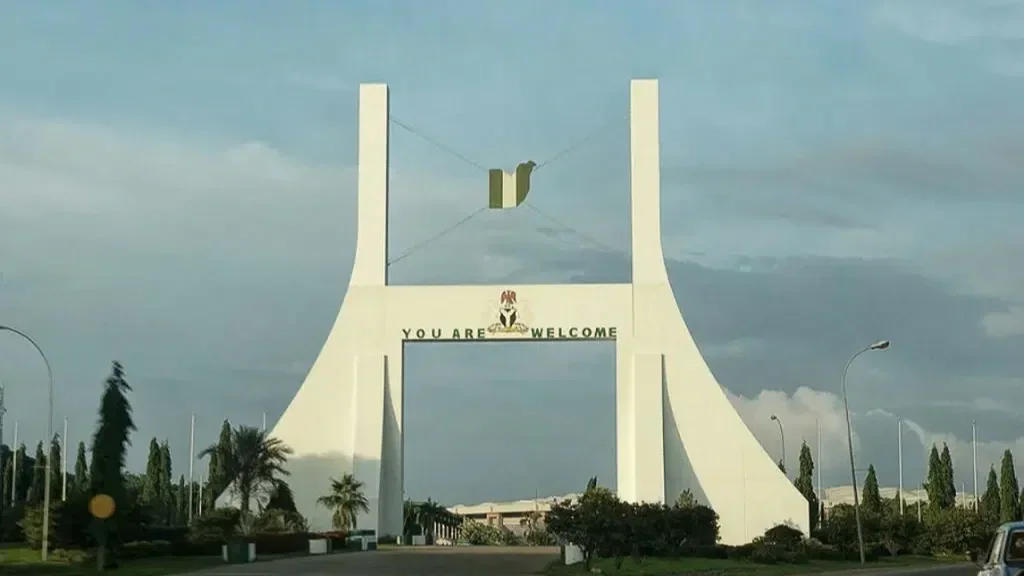
Urban Planning Infractions Threaten Abuja’s Long-Term Sustainability
Urban planning experts have warned that persistent violations of the Abuja Master Plan are undermining investor confidence, weakening environmental sustainability, and threatening the long-term development framework of Nigeria’s capital city. The concerns come amid increasing reports of land-use infractions, encroachment on green areas, and the conversion of designated public infrastructure spaces into private developments.
/ You Might Also Like /




Concerns Over Planning Violations
According to planning experts cited in recent reports, the Abuja Master Plan remains a legally binding framework established under the Federal Capital Territory Act, meaning all land allocations and developments within the territory must comply with approved land-use regulations. Experts warned that developments executed outside approved planning procedures expose investors to future legal and regulatory risks.
The experts noted that allocations carried out without the involvement of the Urban and Regional Planning Department frequently result in land-use conflicts and planning distortions. They argued that weak enforcement and political interference have contributed significantly to the growing number of planning infractions across Abuja.
Urban planners also cautioned that unlawful developments may eventually face demolition, revocation, or other enforcement actions by future administrations, potentially creating financial losses for developers and property investors.
Investor Confidence and Property Market Risks
Experts stressed that uncertainty surrounding land-use compliance and urban planning enforcement could negatively affect investor confidence within Abuja’s property market. Analysts noted that inconsistent planning enforcement creates regulatory uncertainty capable of disrupting project timelines, reducing asset values, and increasing development risks.
The Abuja property market has experienced rapid expansion in recent years, driven by population growth, urban migration, and increasing commercial activity. However, experts warned that weak adherence to planning regulations could undermine long-term market stability if not addressed through stronger institutional oversight.
According to stakeholders, clear and transparent planning systems remain essential for attracting sustainable real estate investment and preserving confidence in urban development frameworks.
Environmental Sustainability Under Pressure
Environmental sustainability emerged as another major concern raised by planning professionals. Experts stated that Abuja was originally designed as a “garden city” with approximately 33% of land reserved for green infrastructure, ecological corridors, and environmental protection.
However, reports indicate that many of these green zones and buffer areas have gradually been converted into residential and commercial developments, reducing the city’s ecological resilience. Urban planners warned that the destruction of green infrastructure could increase flooding risks, urban heat levels, and environmental degradation within the capital territory.
Concerns have also intensified over alleged encroachment on environmentally sensitive areas such as Jabi Lake, Usuma Dam surroundings, and other designated ecological zones. Experts warned that continued violations may compromise flood control systems, biodiversity preservation, and long-term urban liveability.
Debate Over Abuja Master Plan Review
The controversy comes amid ongoing discussions surrounding the Federal Capital Territory Administration’s review of the Abuja Master Plan in collaboration with the Japan International Cooperation Agency (JICA). Some professionals within the built environment sector have expressed concerns over the perceived marginalisation of indigenous planning experts during the review process.
Planning professionals argued that local experts possess the institutional knowledge necessary to evaluate historical deviations from the original master plan and propose realistic corrective measures. They warned that any review process that fails to audit existing distortions could unintentionally legitimise illegal developments and weaken planning enforcement.
Experts also stressed that while international technical support may be beneficial, responsibility for shaping Abuja’s long-term urban future should remain firmly within Nigeria’s professional and institutional framework.
Calls for Stronger Enforcement and Governance
Urban planning advocates have called for stricter enforcement of development control regulations, restoration of illegally converted green areas, and greater transparency in land allocation processes. They also urged authorities to strengthen planning institutions, improve coordination among regulatory agencies, and reduce political interference in urban planning decisions.
Some experts further recommended that all physical development plans within Abuja should be fully legislated to prevent arbitrary alterations and ensure long-term planning stability. Others called for stronger sanctions against violations to restore discipline within the city’s development framework.
Outlook
The growing concerns over Abuja Master Plan violations highlight the increasing importance of urban governance, environmental protection, and regulatory certainty within Nigeria’s rapidly expanding capital city.
For investors, developers, and policymakers, the debate underscores the need for balanced urban growth that protects environmental assets while maintaining confidence in land administration systems. Strengthening planning enforcement and preserving Abuja’s original development vision may prove critical to sustaining the city’s long-term economic competitiveness and urban resilience.
READ MORE