Lagos-Calabar Highway Cuts Epe-Lagos Travel Time to 15 Minutes, Umahi Says
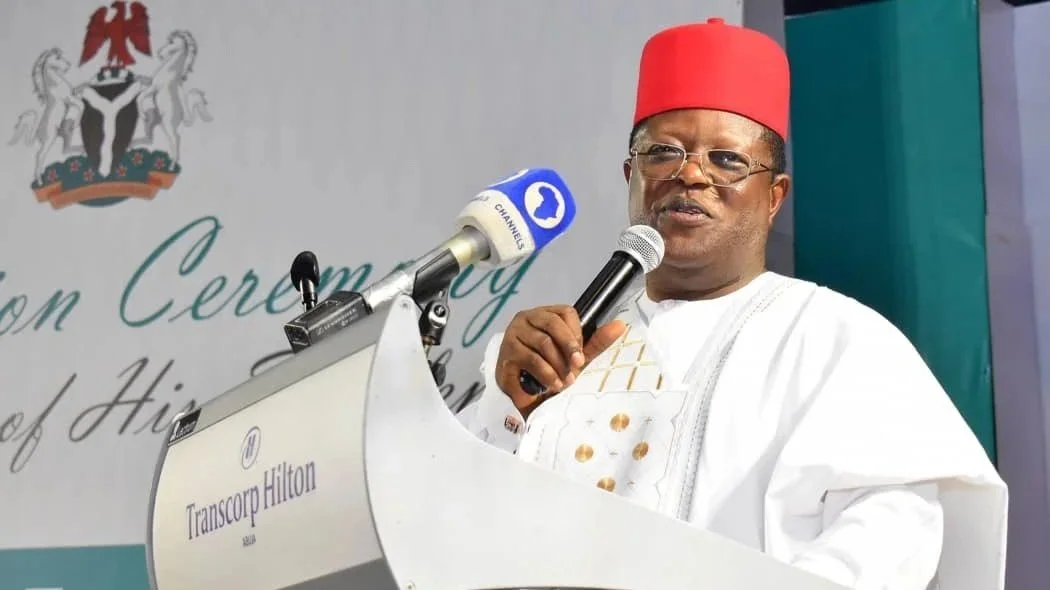
Umahi Defends Lagos-Calabar Highway, Says Impact Already Visible
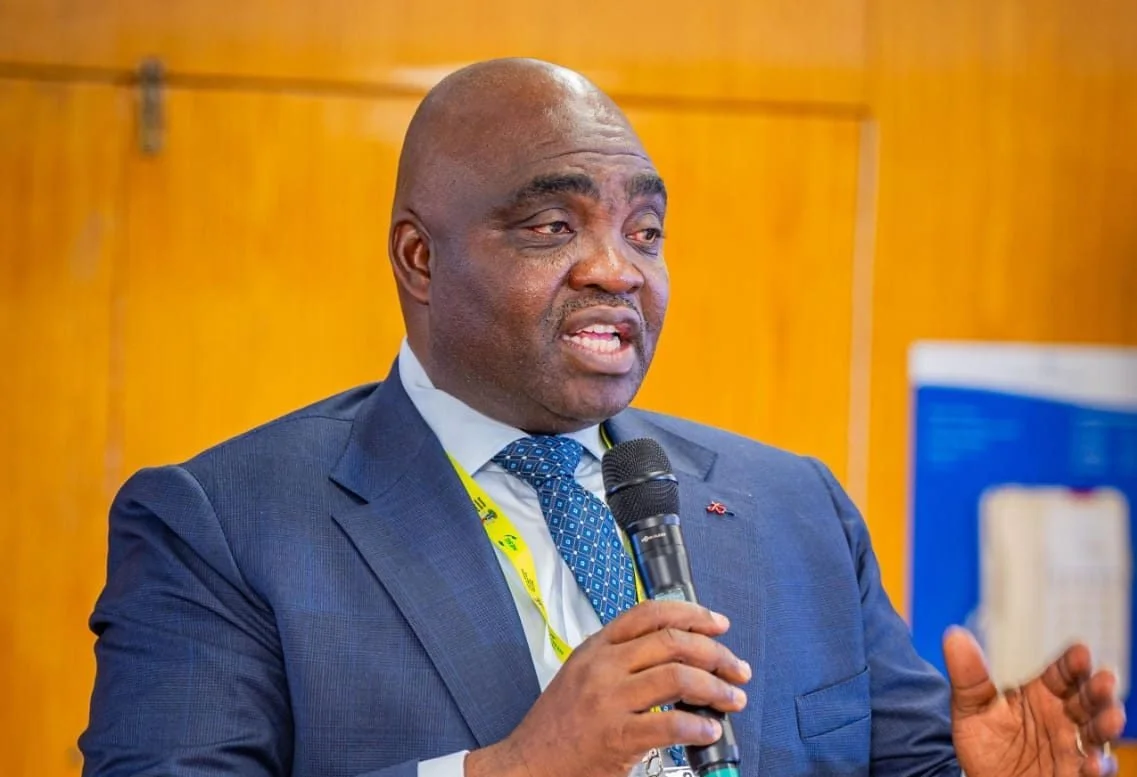
The Minister of Works, Dave Umahi, has described the Lagos-Calabar Coastal Highway as one of the most significant infrastructure projects under President Bola Tinubu’s administration, citing improvements in travel time between Lagos and Epe.
Umahi made the remarks on Monday at the flag-off of the dualisation of the Ibadan-Ijebu-Ode road in Ogun State, where he highlighted the impact of ongoing federal road investments on transportation and connectivity.
/ You Might Also Like /




Umahi Highlights Reduced Travel Time
According to Umahi, the Lagos-Calabar Coastal Highway has significantly reduced travel time along the Lagos-Epe corridor.
He said journeys between Epe and Lagos that previously took between seven and eight hours can now be completed in about 15 minutes along the improved corridor.
The minister used the reduction in journey time to defend the coastal highway project against criticism that the road does not serve a meaningful transportation purpose.
He said the project was already producing practical benefits for residents and road users in Lagos.
Highway Expected to Improve Regional Connectivity
The Lagos-Calabar Coastal Highway is designed to provide a major coastal transportation corridor linking Lagos with communities and states along Nigeria’s southern coastline.
The project is expected to improve the movement of people and goods while strengthening connections between economic centres across the South.
For the property sector, improved road connectivity can also influence development patterns by making previously less accessible locations more attractive to residential, commercial and industrial investors.
Areas along major transport corridors can experience increased development activity as accessibility improves and travel times to employment and commercial centres decline.
Ibadan-Ijebu-Ode Road Dualisation Begins
Umahi spoke at the flag-off of the dualisation of the Ibadan-Ijebu-Ode road, another major road project intended to improve transportation within the South-West.
The project is expected to strengthen movement between Oyo and Ogun states and improve the transportation of people, agricultural produce and commercial goods across the region.
The road forms part of the wider federal infrastructure programme aimed at improving connectivity between major economic centres.
Infrastructure Investment Could Support Property Development
Improved transport infrastructure remains an important factor in the expansion of Nigeria’s urban and housing markets.
Where new roads reduce travel times and improve access to employment centres, commercial districts and ports, surrounding communities can become more attractive to developers and property investors.
For Lagos and its eastern growth corridor, improved connectivity could support further residential development as pressure on established urban districts pushes demand towards emerging locations.
The effect, however, will depend on the pace of supporting infrastructure development, including electricity, water, drainage, public transport and other essential services.
Coastal Highway Faces Continued Scrutiny
While Umahi has highlighted the highway’s benefits, the project has faced public debate over its cost, procurement process and implementation.
The minister also defended the procurement process used to select the contractor handling the project, following criticism that the project was not subjected to competitive bidding.
The debate places greater importance on demonstrating measurable outcomes as construction progresses, particularly in terms of travel efficiency, economic activity and value for public expenditure.
Highway’s Wider Economic Implications
Beyond reducing journey times, improved coastal connectivity could support the movement of goods between commercial centres and improve access to ports and other economic infrastructure.
The Lagos-Epe corridor already contains significant residential, commercial and industrial development, while the Lekki area has become an increasingly important economic zone.
Better road connections could therefore influence future land-use patterns and encourage additional investment along the corridor.
For the housing market, improved accessibility could support the expansion of residential communities beyond Lagos’ more established districts, although rising demand could also place upward pressure on land and property prices in areas benefiting from new infrastructure.
Outlook
Umahi’s comments underline the Federal Government’s position that major road investments should be assessed not only by construction progress but also by their effect on travel, connectivity and economic activity.
The Lagos-Calabar Coastal Highway remains one of the Federal Government’s major infrastructure projects, with its long-term impact likely to extend beyond transportation.
For Nigeria’s property and construction sectors, the continued development of major transport corridors could reshape investment patterns, open up new areas for development and strengthen connections between housing, commerce and economic infrastructure.
The extent of these benefits will ultimately depend on the completion, maintenance and integration of the highway with other transport and urban infrastructure projects.
READ MORE