Lagos Automates Building Approvals with EPPPS to Boost Efficiency

Sanwo-Olu Administration Digitises Building Permits with New EPPPS System
The Lagos State Government has fully automated its building approval process with the deployment of the Electronic Physical Planning Permit System (EPPPS), effectively ending manual processing of permits. The reform, which took effect from April 1, 2026, is designed to improve efficiency, transparency, and regulatory compliance across the state’s fast-growing real estate sector.
Transition to Full Digital Processing
The introduction of EPPPS marks a complete shift from paper-based approvals to a centralised digital platform. Authorities have declared all manual processing of building permits illegal, requiring all applications to be submitted exclusively through the online system.
/ You Might Also Like /


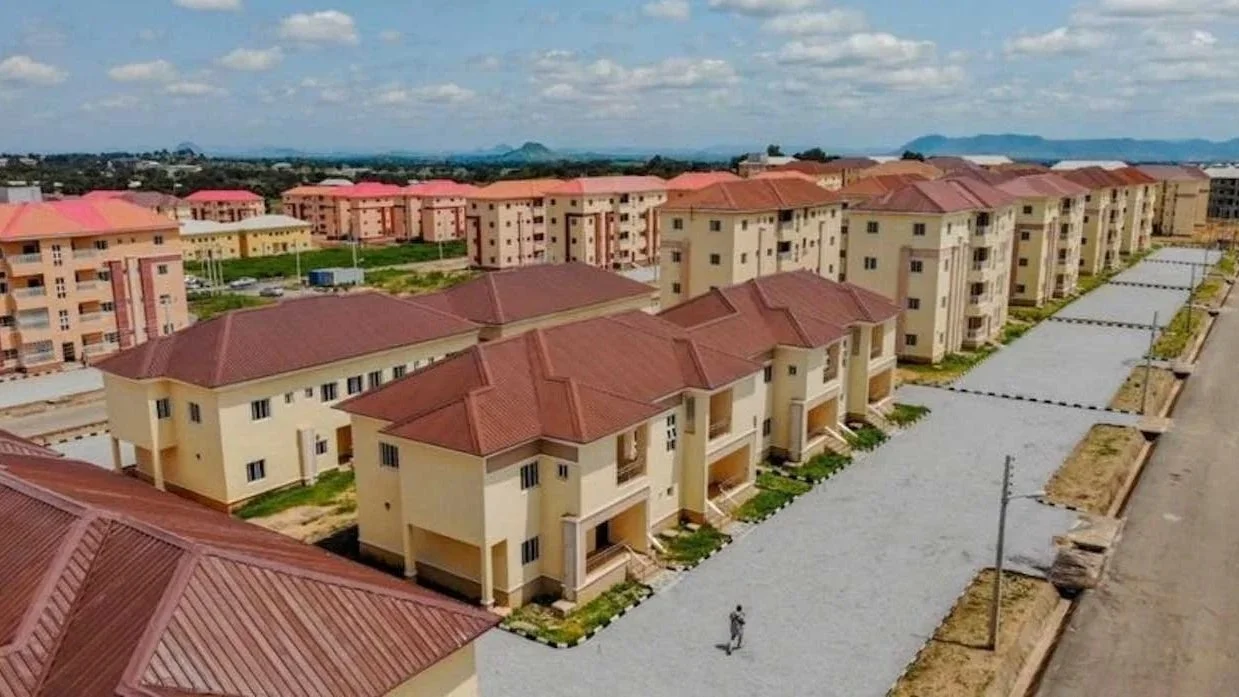

According to officials, the move represents a structural reform aimed at eliminating delays, discretionary approvals, and loopholes that previously characterised the approval process. The system enables applicants to process planning permits, construction authorisations, and stage certifications within a unified digital framework.
Enhancing Transparency and Efficiency
The EPPPS platform is designed to streamline workflows, reduce human bottlenecks, and improve traceability across the approval chain. By digitising the process, the government aims to minimise inefficiencies associated with manual documentation, including lost files, long queues, and prolonged processing timelines.
Officials noted that all relevant personnel across planning authorities have been trained, with full deployment of computer systems and internet infrastructure across district offices to support seamless implementation.
Regulatory Enforcement and Compliance
To ensure adherence, the government has established enforcement mechanisms, including a monitoring task force to oversee compliance. Developers and property owners who attempt to bypass the digital system or revert to manual processes face sanctions under the new regime.
The reform also integrates a Certified Accredited Programme (CAP), a public-private framework that involves certified professionals in monitoring building projects. This initiative is expected to strengthen compliance with building codes and reduce incidents of structural failure.
Implications for Real Estate and Investment
For developers and investors, the automation of building approvals is expected to significantly improve the ease of doing business in Lagos. Faster approval timelines and increased transparency could reduce project delays, lower administrative costs, and enhance investment predictability.
The reform aligns with broader efforts by the state government to modernise land administration and urban planning systems, positioning Lagos as a more competitive destination for real estate investment.
Addressing Systemic Challenges
The shift to digital approvals also addresses longstanding challenges in Lagos’ construction sector, including unauthorised developments and weak regulatory oversight. Authorities have previously noted that a large proportion of buildings in certain corridors lack proper approval, underscoring the need for stricter enforcement mechanisms.
By centralising approvals and improving monitoring, the government aims to close compliance gaps and promote safer, more structured urban development.
The deployment of the EPPPS platform signals a major step in Lagos State’s transition towards digital governance in the real estate sector. By eliminating manual processes and enforcing a unified digital system, the government aims to enhance transparency, efficiency, and regulatory compliance.
The success of the initiative will depend on consistent enforcement, stakeholder adoption, and the system’s ability to deliver faster, more reliable approvals in a rapidly expanding urban environment.
READ MORE