FCMB Leverages Cultural Economy to Drive Financial Inclusion at Ibadan Festival
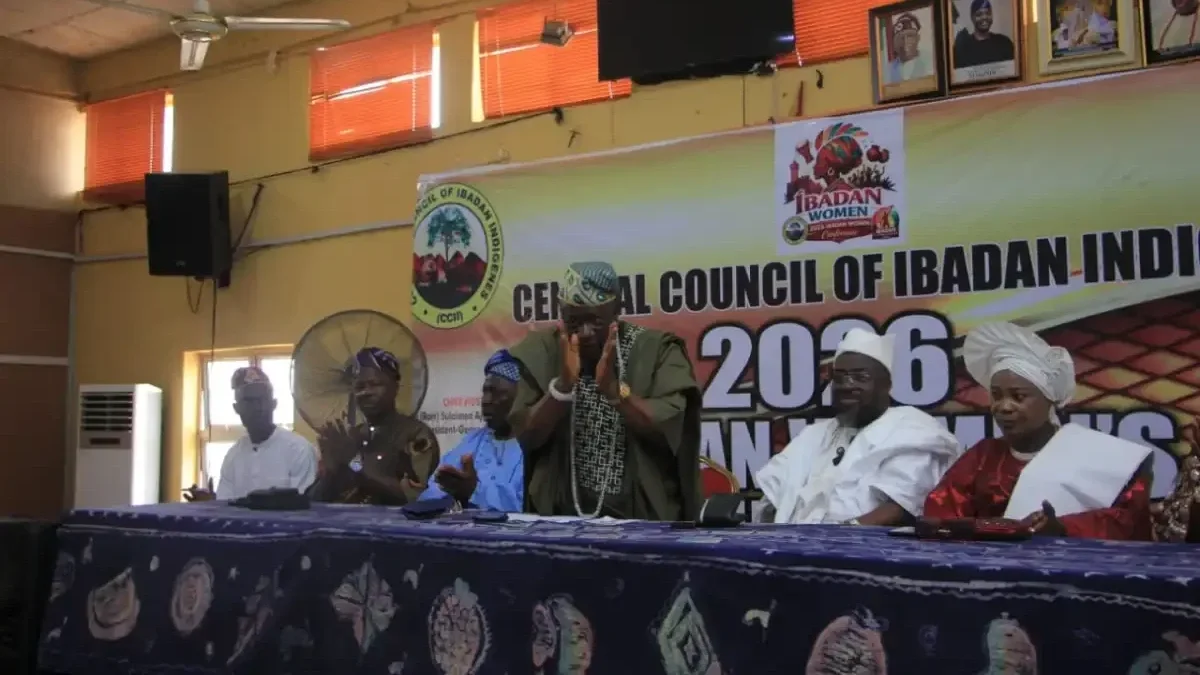
Cultural Economy Takes Centre Stage as FCMB Backs Ibadan Festival
First City Monument Bank is leveraging Nigeria’s cultural economy as a tool for financial inclusion and economic development through its participation in the 2026 Ibadan Cultural Festival. The initiative positions culture not only as a heritage asset but as a viable economic platform capable of driving tourism, supporting small businesses, and expanding access to financial services.
/ You Might Also Like /

The Ibadan Cultural Festival also known as the Okebadan Festival has evolved into a significant socio-economic event, attracting residents, diaspora communities, and tourists. According to organisers, the festival stimulates economic activity across multiple sectors, including hospitality, retail, transportation, and entertainment.
Stakeholders note that beyond its cultural significance, the festival creates opportunities for local entrepreneurs and informal businesses to participate in a broader economic ecosystem. This aligns with growing recognition of the cultural economy as a driver of inclusive growth in emerging markets.
FCMB’s Inclusion Strategy
FCMB’s involvement reflects a broader strategic shift towards ecosystem-based banking. The institution aims to connect small and informal businesses to finance, markets, and scalable opportunities through platforms such as cultural festivals.
By embedding financial services within cultural and community-driven events, the bank seeks to reach underserved populations who often remain outside the formal financial system. This approach supports its long-term objective of expanding financial inclusion while fostering grassroots economic development.
Strengthening Diaspora and Investment Linkages
Organisers highlight the festival’s growing role in attracting diaspora participation, which contributes to remittance flows and local investment. The event provides a platform for Ibadan indigenes abroad to reconnect with their roots while exploring economic opportunities within the city.
This dynamic enhances the festival’s relevance as both a cultural and economic bridge, linking local markets with global capital and networks.
Private Sector Interest in Culture-Led Development
The participation of FCMB underscores increasing private sector interest in culture-driven economic models. Industry observers note that such initiatives can unlock new value chains, particularly in tourism, creative industries, and small-scale enterprise development.
Festival organisers emphasise that the 2026 edition has been deliberately structured to strengthen Ibadan’s positioning as a tourism and investment destination, combining cultural expression with commercial engagement.
Implications for Local Economy
The integration of financial services into cultural platforms signals a shift towards more inclusive economic frameworks. For local businesses, especially micro and small enterprises, this approach offers access to visibility, markets, and financing opportunities that are typically limited in traditional banking models.
For policymakers, it highlights the potential of leveraging cultural assets to drive urban economic growth, diversify revenue streams, and enhance community participation in development.
FCMB’s engagement at the 2026 Ibadan Cultural Festival illustrates the growing importance of the cultural economy in Nigeria’s development strategy. By aligning financial inclusion with cultural platforms, the initiative demonstrates how heritage-driven events can evolve into engines of economic growth.
As interest in culture-led development expands, the success of such models will depend on sustained collaboration between financial institutions, communities, and policymakers to translate cultural capital into measurable economic outcomes.
READ MORE