Middle East War: FG Outlines Measures to Cushion Global Economic Shock
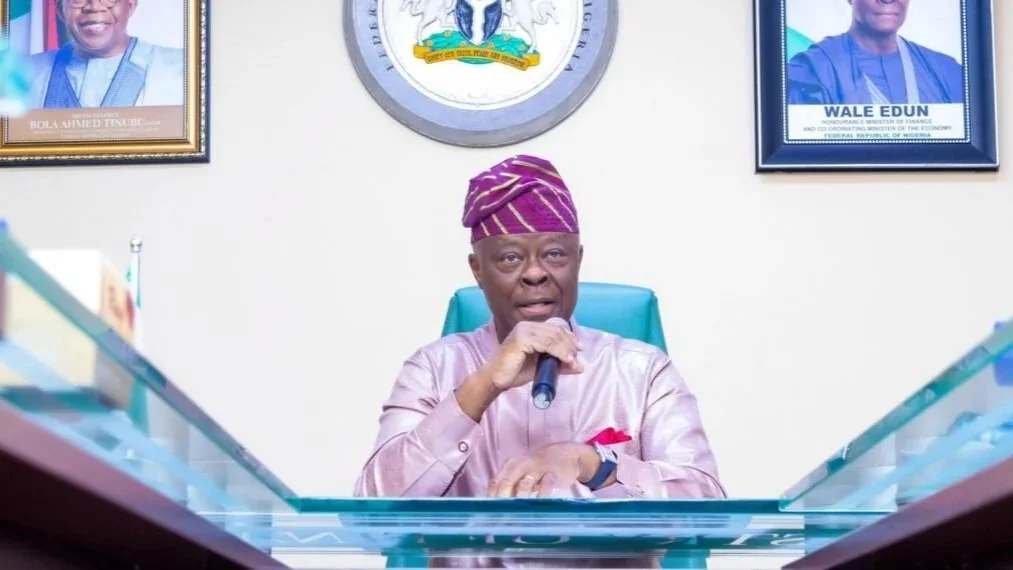
Edun Details FG Strategy to Manage Economic Impact of Middle East War
Nigeria’s Federal Government has outlined a series of policy measures to mitigate the economic impact of the ongoing Middle East conflict, as global energy markets face heightened volatility. The Minister of Finance and Coordinating Minister of the Economy, Wale Edun, said the government is leveraging improved macroeconomic fundamentals and ongoing reforms to cushion the effects of the external shock.
/ You Might Also Like /
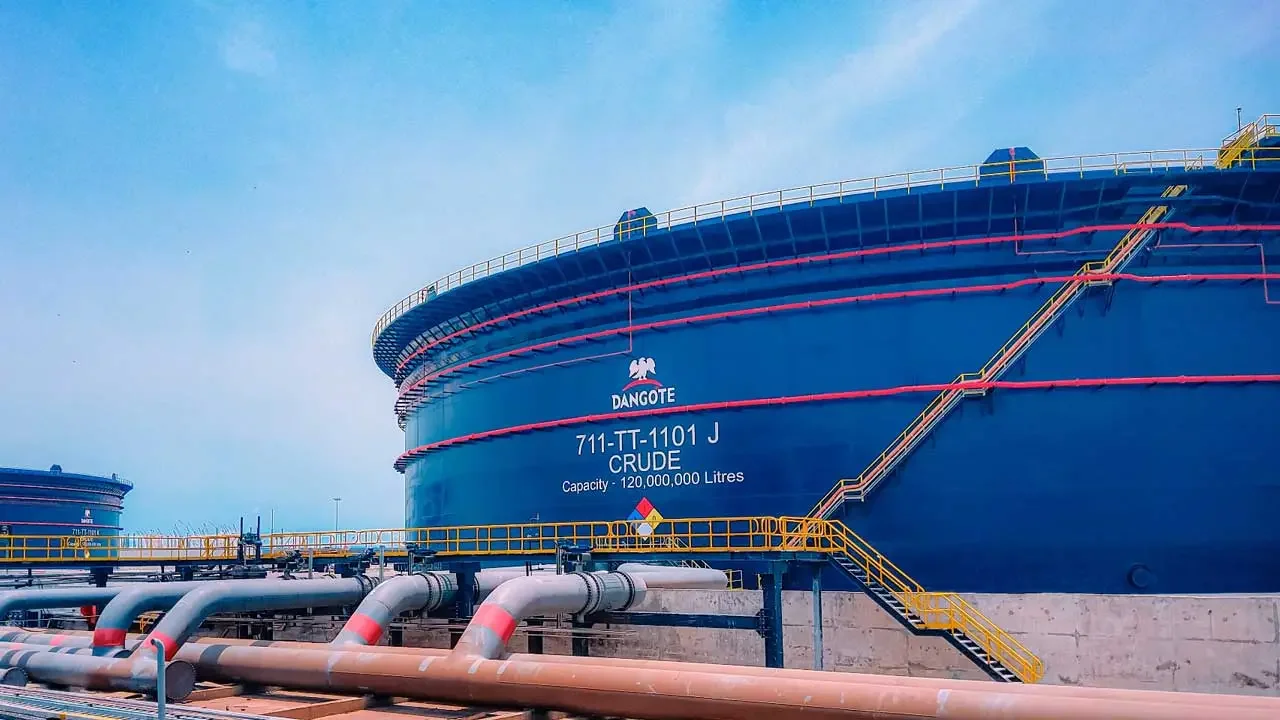



Global Shock and Nigeria’s Exposure
The escalation of conflict in the Middle East has triggered significant disruptions in global oil and financial markets, with ripple effects across emerging economies. Rising crude oil prices and supply chain uncertainties have increased inflationary pressures and operational costs globally.
For Nigeria, the impact is twofold. While higher oil prices boost export earnings, they also translate into increased domestic fuel costs, placing additional strain on households and businesses. This dual effect underscores the country’s vulnerability to external shocks despite its oil-exporting status.
Government’s Policy Response
According to Edun, the Federal Government has adopted a multi-pronged strategy to stabilise the economy and protect recent reform gains. Key measures include:
Increasing crude oil production to approximately 1.86 million barrels per day
Sustaining a liberalised foreign exchange regime to support capital flows
Strengthening the naira-for-crude policy to ensure domestic fuel supply stability
Maintaining macroeconomic reforms introduced since 2023
These interventions are designed to enhance liquidity, stabilise the currency, and prevent supply disruptions in the domestic energy market.
Strengthening Economic Fundamentals
Edun emphasised that Nigeria is entering this period of global uncertainty from a stronger macroeconomic position compared to previous crises such as the COVID-19 pandemic and the Russia-Ukraine conflict.
The government attributes this resilience to structural reforms, including exchange rate unification, subsidy removal, and fiscal adjustments aimed at improving revenue generation and economic efficiency. These reforms, according to policymakers, provide a buffer against external volatility.
Oil Market Dynamics and Fiscal Implications
Global oil prices have surged amid fears of supply disruptions linked to the conflict, with key shipping routes such as the Strait of Hormuz under threat. This has introduced significant volatility into energy markets and increased uncertainty for oil-importing and exporting countries alike.
For Nigeria, higher oil prices present an opportunity to strengthen foreign exchange reserves and government revenues. However, the benefits are offset by increased domestic costs for petroleum products, logistics, and manufacturing inputs.
Balancing Growth and Inflation Risks
The Federal Government’s response reflects a balancing act between leveraging oil revenue gains and managing inflationary pressures. Policymakers are focused on sustaining economic growth while preventing a deterioration in living standards driven by rising costs.
Edun also highlighted medium-term targets, including sustaining GDP growth and expanding economic output, as part of broader efforts to reduce poverty and enhance economic resilience.
Outlook and Policy Direction
Looking ahead, the government is expected to continue monitoring global developments closely while adjusting policies as needed. The evolving geopolitical situation introduces ongoing uncertainty, particularly in energy markets and global capital flows.
Nigeria’s policy direction will likely remain anchored on maintaining macroeconomic stability, improving oil production efficiency, and deepening structural reforms to reduce exposure to external shocks.
The Federal Government’s response to the Middle East-induced economic shock underscores the importance of policy agility in a volatile global environment. By combining increased oil production, foreign exchange reforms, and energy supply strategies, authorities aim to cushion the domestic economy from external disruptions.
However, the effectiveness of these measures will depend on sustained implementation and the duration of the global crisis, as Nigeria navigates the complex interplay between opportunity and risk in the evolving energy landscape.
READ MORE