Lagos Deploys AI Flood Detection System to Mitigate Rising Climate Risks
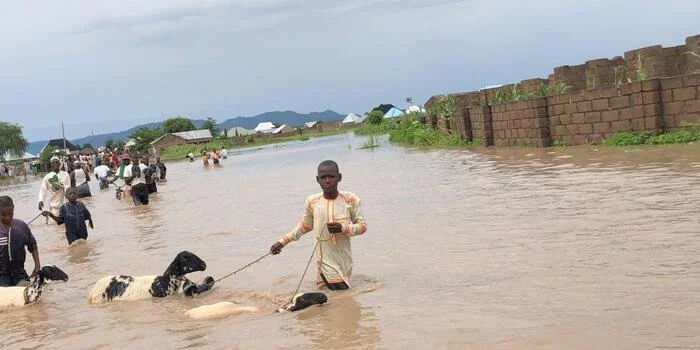
Lagos Turns to Artificial Intelligence for Real-Time Flood Monitoring
The Lagos State Government has deployed an artificial intelligence-powered flood detection system to monitor waterways and provide early warning signals, as part of efforts to mitigate increasing flood risks in the state. The initiative aims to enhance disaster preparedness in one of Africa’s most densely populated coastal cities.
AI-Driven Flood Monitoring Framework
The new system uses AI and real-time monitoring tools to track water levels and detect early signs of flooding across Lagos. According to the Commissioner for Environment and Water Resources, Tokunbo Wahab, the technology enables continuous surveillance of drainage channels and waterways statewide.
The system is designed to:
Monitor water levels in real time
Provide early warning alerts before flooding occurs
Support rapid response by emergency and environmental agencies
This marks a shift from reactive flood management to predictive, data-driven intervention.
Geographic Vulnerability Driving Innovation
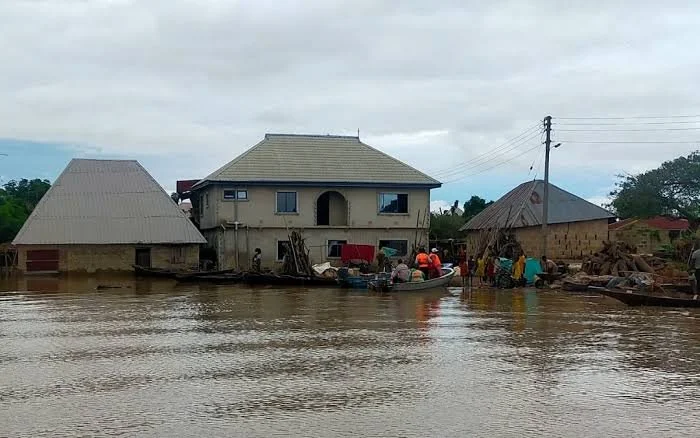
Lagos remains highly vulnerable to flooding due to its coastal geography and rapid urbanisation. The state shares approximately 187 kilometres of coastline with the Atlantic Ocean, while about 25% of its landmass consists of water bodies.
Urban expansion into previously swampy or low-lying areas—such as Lekki—has further increased exposure to flood risks. Combined with climate change and rising rainfall intensity, these factors have made flood mitigation a critical policy priority.
/ You Might Also Like /


Integration with Existing Flood Control Measures
The AI system complements existing flood management strategies, including drainage maintenance and environmental enforcement. Lagos operates a dedicated “flood abatement gang” responsible for clearing blocked drainage systems and ensuring water flows efficiently.
Authorities estimate that effective drainage management alone could resolve up to 50% of flooding challenges in the state. The integration of AI monitoring enhances these efforts by enabling proactive intervention before drainage systems are overwhelmed.
Urban Planning and Housing Implications
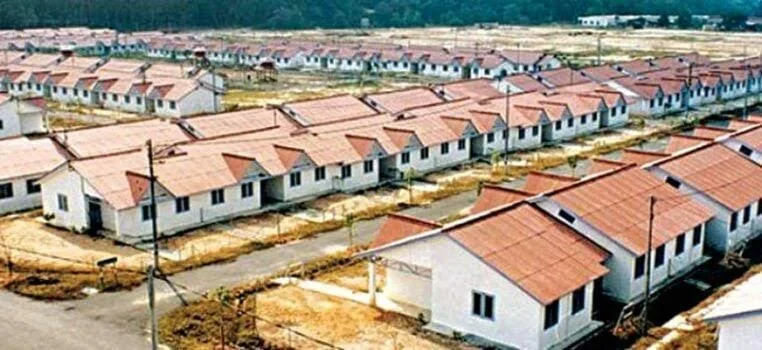
The deployment of AI flood detection technology has direct implications for housing and urban development. Flood-prone areas pose significant risks to residential infrastructure, property values, and long-term urban sustainability.
By improving flood prediction and response, the system can:
Inform zoning and land-use planning decisions
Reduce risk exposure for real estate developments
Support infrastructure resilience in vulnerable communities
For developers and investors, access to reliable flood risk data enhances project planning and risk management.
Climate Adaptation and Smart City Strategy
The initiative aligns with Lagos’ broader strategy to adopt smart technologies in addressing urban challenges. AI-driven flood monitoring represents a key component of climate adaptation, particularly as extreme weather events become more frequent.
Globally, early warning systems have been shown to significantly reduce disaster-related losses. Lagos’ adoption of AI places it among cities leveraging technology to build resilience against climate-related risks.
Outlook
The effectiveness of the AI flood detection system will depend on sustained investment, data accuracy, and integration with emergency response frameworks. Continued public awareness and enforcement of environmental regulations such as preventing blockage of waterways will also be critical.
Lagos’ deployment of an AI-powered flood detection system represents a strategic shift toward predictive urban management. By combining technology with existing flood control measures, the state aims to reduce vulnerability, protect infrastructure, and enhance long-term resilience.
As climate risks intensify, such data-driven approaches will play an increasingly central role in shaping sustainable urban development across Nigeria.
READ MORE