Nigeria’s Power Crisis Deepens as GenCos Face ₦6.8tn Debt, Shut Down Plants
₦6.8tn Debt Threatens Power Supply as GenCos Scale Down Operations
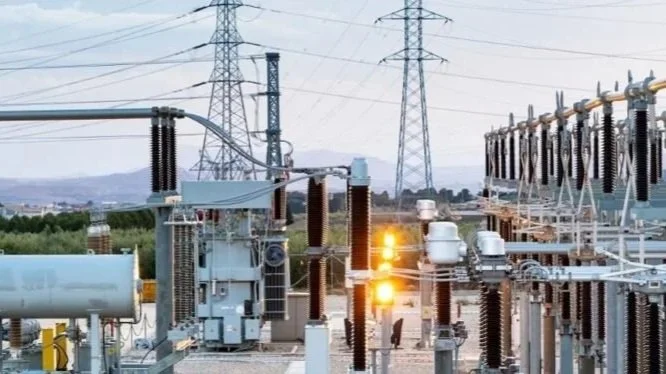
Nigeria’s electricity crisis is intensifying as power generation companies (GenCos) struggle with a mounting debt burden of approximately ₦6.8tn, forcing some plants to shut down and reducing electricity supply nationwide. The liquidity crisis across the power value chain is now constraining gas supply, weakening generation capacity, and worsening outages across the country.
Debt Burden Disrupts Power Generation
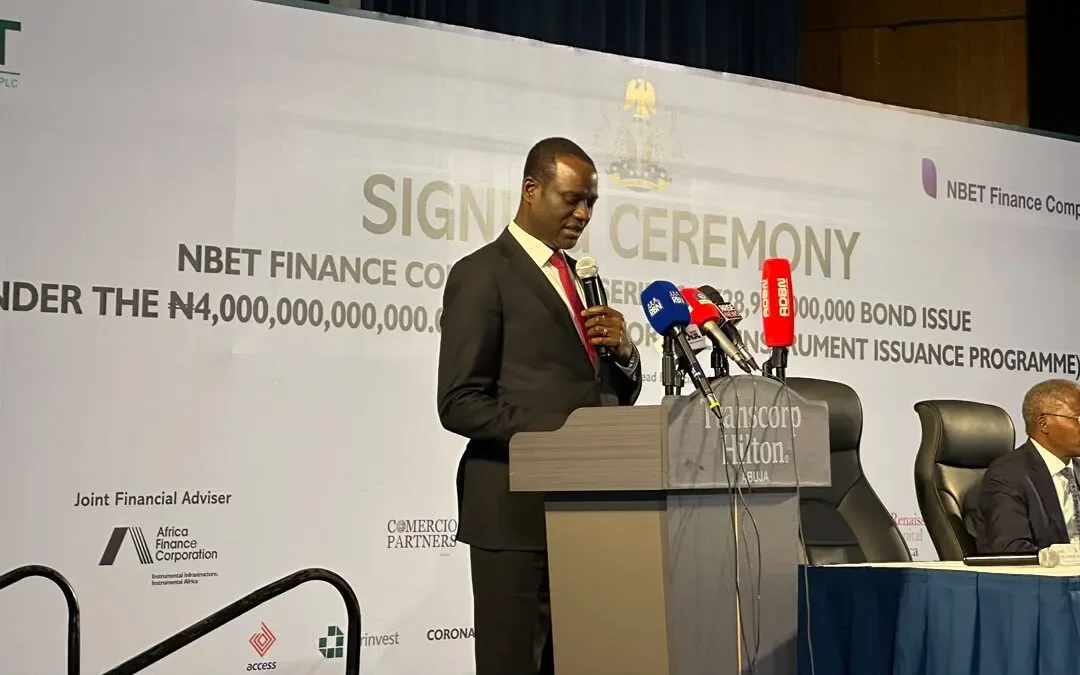
The ₦6.8tn debt owed to GenCos has accumulated over several years due to persistent payment shortfalls within Nigeria’s electricity market. According to industry stakeholders, the Nigerian Bulk Electricity Trading Plc (NBET), which purchases power from generators, has consistently failed to fully settle invoices.
This financial gap has left generation companies unable to meet operational costs, repay loans, or sustain maintenance of power plants. As a result, several plants have scaled down operations or shut down entirely, reducing available electricity on the national grid.
Gas Supply Constraints Worsen Crisis
A critical consequence of the debt crisis is the disruption of gas supply to thermal power plants, which account for roughly 70% of Nigeria’s electricity generation.
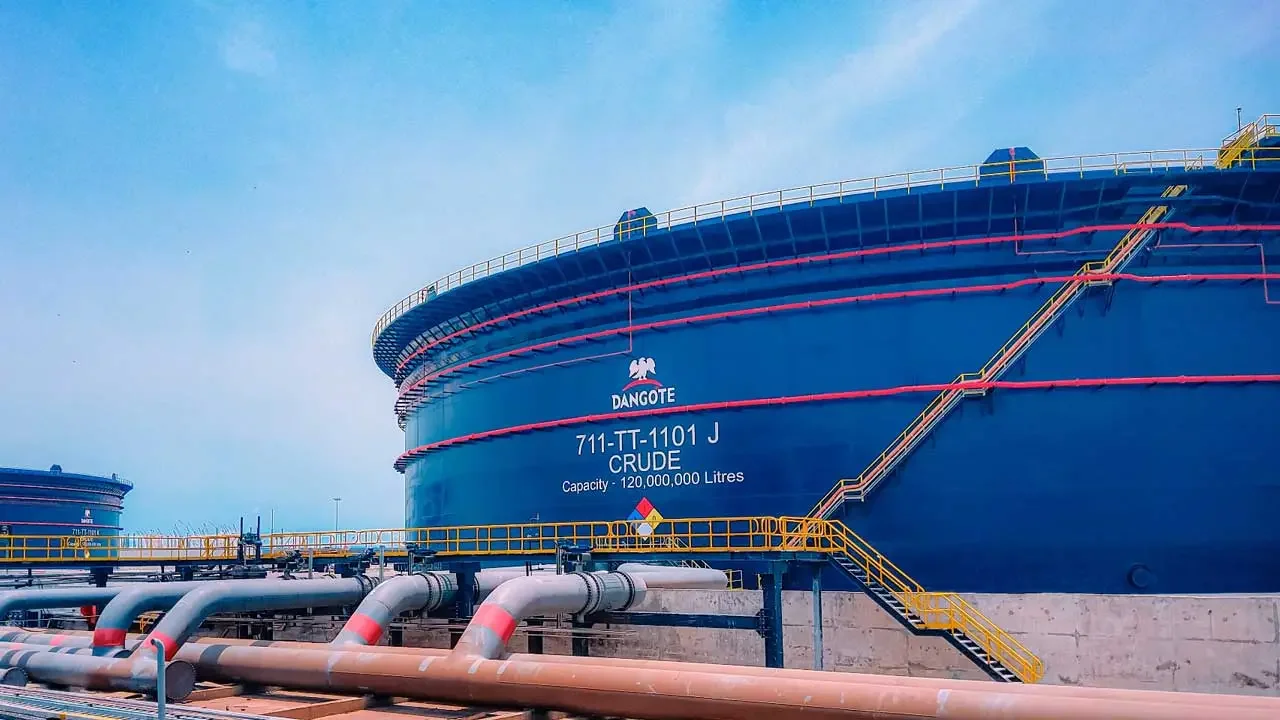
Gas suppliers, owed an estimated ₦3.3tn, have begun to cut or threaten to halt supply unless outstanding payments are made.
This has led to a sharp drop in gas availability, with supply falling to less than 43% of required levels for optimal power generation.
The immediate impact has been reduced generation capacity, with total electricity output dropping below 4,000MW in recent weeks far below national demand.
/ You Might Also Like /



Structural Weaknesses in the Power Market
The crisis reflects deeper structural issues within Nigeria’s electricity market. The sector operates a chain where:
GenCos generate electricity
NBET purchases and resells to distribution companies (DisCos)
DisCos collect payments from consumers
However, low tariff levels, collection inefficiencies, and revenue shortfalls mean DisCos cannot remit sufficient funds upstream. This creates a cascading liquidity crisis that ultimately affects power generation and fuel supply.
The problem is further compounded by foreign exchange pressures, as many GenCos took dollar-denominated loans during the 2013 privatisation of the sector.
Economic and Operational Impact
The ongoing crisis has significant implications:
Worsening blackouts: Reduced generation has led to increased load shedding nationwide
Business disruption: Industries and SMEs face higher operating costs due to reliance on generators
Investment risks: Persistent liquidity challenges discourage new capital inflows into the power sector
Financial strain: GenCos face growing debt obligations to banks and gas suppliers
Nigeria’s broader energy supply challenges remain acute, with power shortages affecting economic productivity and limiting industrial growth.
Government Response and Intervention Efforts
The Federal Government has initiated measures to address the debt crisis, including a ₦501bn bond issuance as part of a broader plan to clear sector liabilities.
Authorities have also explored mechanisms to settle outstanding debts owed to gas suppliers, recognising the central role of gas in sustaining electricity generation.
However, industry stakeholders warn that these interventions may not be sufficient without comprehensive reforms to address structural inefficiencies in pricing, revenue collection, and market design.
Outlook
Analysts project that, without urgent intervention, the sector’s debt could rise to as much as ₦8.8tn by the end of 2026, further destabilising the power supply chain.
Restoring stability will require:
Clearing outstanding debts across the value chain
Implementing cost-reflective tariffs
Improving revenue collection efficiency
Strengthening regulatory and market frameworks
Nigeria’s power crisis has entered a critical phase, driven by a ₦6.8tn debt burden that is constraining generation and disrupting gas supply.
Without decisive policy action and financial restructuring, the situation risks further deterioration, with significant consequences for economic growth, investor confidence, and national productivity.
READ MORE