Nigeria Moves to Unlock ₦300bn Land Assets to Address Housing Deficit
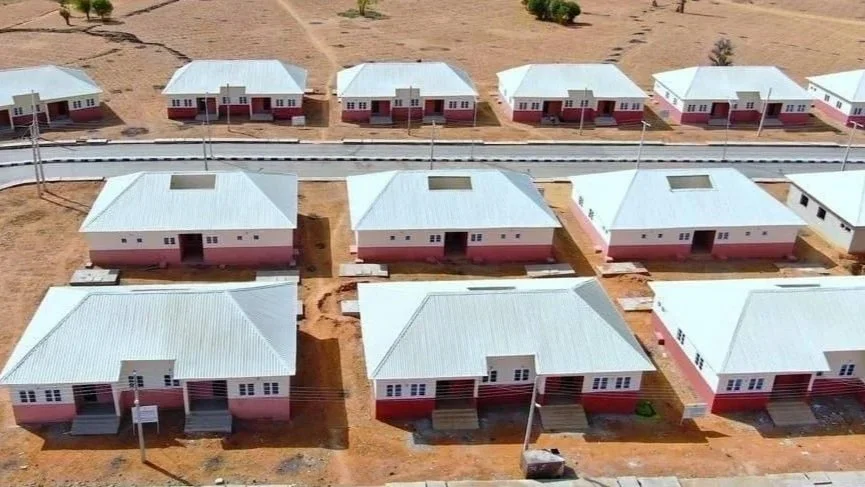
Federal Government Eyes ₦300bn Idle Land to Drive Housing Expansion
Nigeria’s Federal Government is targeting over ₦300bn worth of dormant land assets as part of a broader strategy to increase housing supply and unlock value within the real estate sector. The initiative focuses on reforming land administration systems to convert underutilised land into productive assets that can support housing development.
Unlocking Dormant Land for Housing Delivery
The initiative centres on activating idle or underutilised land assets that currently contribute little to economic output. According to government estimates, a significant portion of land across Nigeria remains undocumented or poorly managed, limiting its use for housing and investment purposes.
By unlocking these assets, authorities aim to expand the availability of land for residential development, a critical factor in addressing Nigeria’s housing deficit, currently estimated at nearly 15 million units.
This approach reflects a shift toward leveraging existing resources rather than relying solely on new land acquisition or large-scale public spending.
Land Administration Reform as a Policy Driver
Central to the initiative is a comprehensive reform of Nigeria’s land administration system. The government plans to improve land titling, registration, and documentation processes to formalise ownership and enhance market transparency.
Current estimates indicate that less than 5% of land in Nigeria is formally registered, creating a significant barrier to investment and limiting access to credit for landowners.
Reforms under consideration include:
Digitisation of land registries
Standardisation of land documentation processes
Expansion of systematic land titling programmes
Strengthening legal frameworks governing land ownership
These measures are expected to transform land into bankable assets that can support housing finance and private sector investment.
/ You Might Also Like /




Economic and Investment Implications
Unlocking ₦300bn in dormant land assets presents substantial economic opportunities. Converting inactive land into productive use can:
Increase housing supply and reduce affordability pressures
Stimulate construction activity and job creation
Improve access to financing through collateralised land assets
Boost internally generated revenue for state governments
For investors, improved land governance reduces risk and enhances the attractiveness of real estate projects, particularly in urban and peri-urban areas.
Industry stakeholders note that dormant land represents a major untapped resource that could drive infrastructure development and inclusive housing growth if properly integrated into planning frameworks.
Addressing Structural Constraints in Housing
The initiative directly targets one of the most persistent bottlenecks in Nigeria’s housing sector—land accessibility.
Challenges such as unclear land titles, bureaucratic delays, and fragmented regulatory systems have historically slowed housing development. These constraints increase project costs and discourage private sector participation.
By reforming land systems and unlocking dormant assets, the government aims to remove these barriers and create a more efficient housing delivery ecosystem.
Alignment with Broader Housing Strategy
The ₦300bn land asset initiative aligns with the Federal Government’s broader housing agenda, which includes:
Expanding affordable housing programmes
Promoting public-private partnerships
Enhancing housing finance mechanisms
Improving urban planning and infrastructure
Land reform is increasingly recognised as a foundational component of these efforts, given its central role in the housing value chain.
Outlook
The success of the initiative will depend on effective implementation, particularly in coordinating federal and state-level land administration systems.
Analysts highlight the need for:
Strong institutional capacity
Transparent regulatory frameworks
Private sector collaboration
Sustained political commitment
If executed effectively, unlocking dormant land assets could significantly accelerate housing delivery and reduce Nigeria’s housing deficit over the medium term.
The Federal Government’s plan to unlock ₦300bn in dormant land assets represents a strategic shift toward maximising existing resources to address Nigeria’s housing challenges.
By reforming land administration and enabling productive use of idle assets, the initiative has the potential to transform the housing sector, improve affordability, and stimulate broader economic growth.
READ MORE