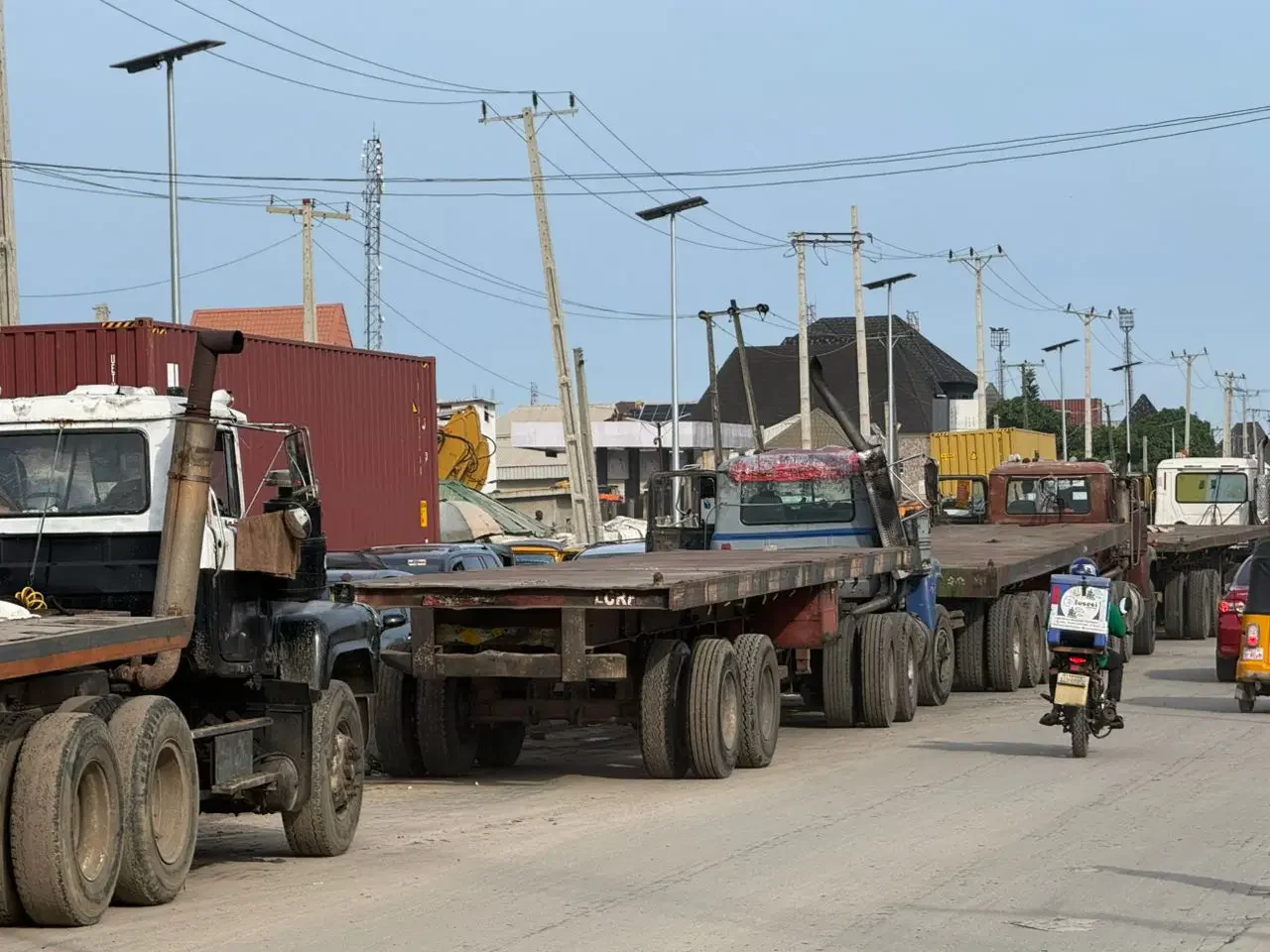
Illegal Highway Levies Raise Logistics Costs for Nigeria’s Construction Sector
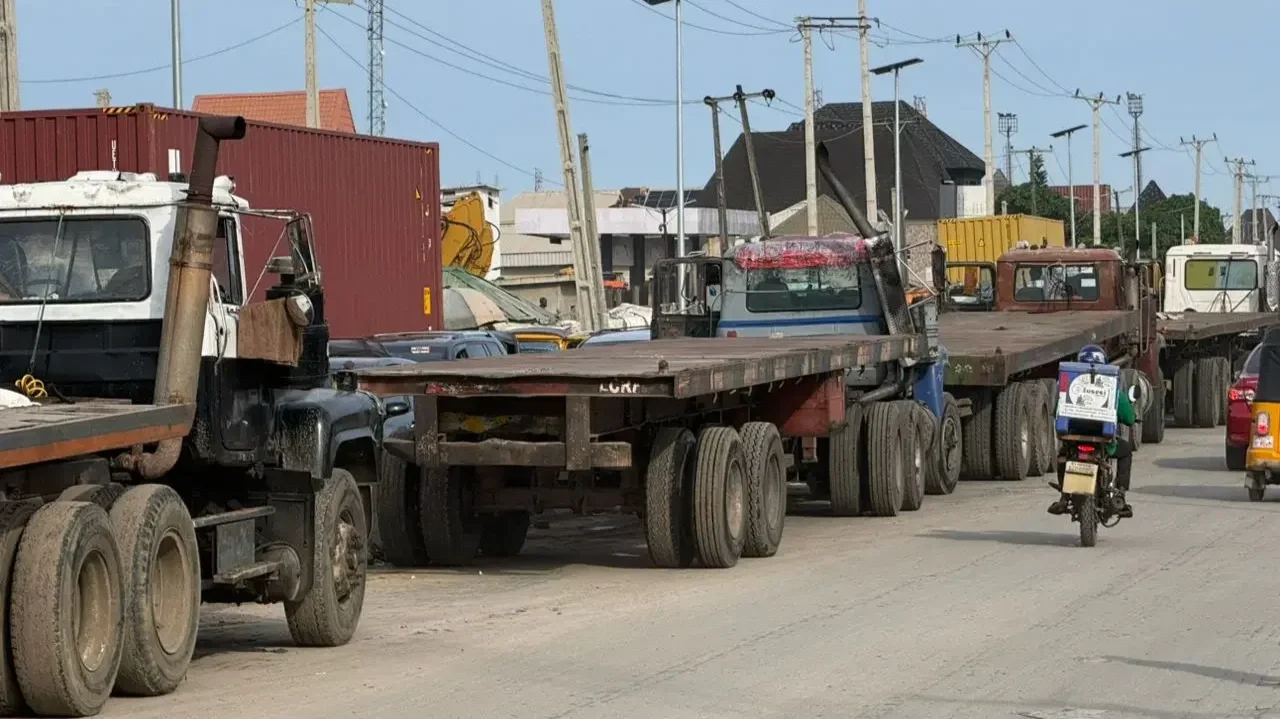
Transporters seek action against illegal highway levies
Illegal revenue collection points and roadblocks on federal highways are adding to the cost of transporting goods across Nigeria, with potential implications for construction costs and housing delivery.
The Heavy Duty Haulage and Transporters Welfare Association of Nigeria has urged Inspector-General of Police Olatunji Disu to deploy 20 police personnel to enforce a Federal High Court order directing the removal of roadblocks and other obstructions mounted on federal highways for the collection of taxes, levies and other revenues.
/ You Might Also Like /




The association said stronger enforcement would help tackle what it described as economic sabotage and multiple taxation affecting truckers and other businesses involved in the movement of goods.
Transporters Seek Enforcement of Court Order
The request followed a July 13, 2026 judgment by the Federal High Court sitting in Abakaliki in Suit No. FHC/AI/MISC/9/2026.
Justice Hillary I. O. Oshomah granted an order of mandamus compelling the Nigeria Police Force and Joint Revenue Board to supervise or ensure the immediate removal and dismantling of roadblocks, blockades, checkpoints, barriers and other obstructions erected on federal highways and expressways for revenue collection.
The order also directed the police to arrest, detain, investigate and prosecute persons or organisations found operating such roadblocks where the activities contravene the Taxes and Levies (Approved List for Collection) Act.
The haulage association's request to the IGP was contained in a letter dated August 26, 2026.
Illegal Highway Charges Add to Transport Costs
The association argued that unauthorised revenue collectors and highway obstructions impose additional costs on truckers and businesses transporting goods across the country.
For the wider economy, these costs matter because transportation is embedded in the price of products moving from manufacturers and suppliers to markets.
The Joint Revenue Board had already sought closer cooperation with the Nigeria Police Force in March 2026 to enforce the nationwide ban on roadblocks for tax collection. The Board said multiple revenue roadblocks were a concern for the economy and called for a national task force to dismantle them.
Construction Sector Faces Wider Cost Implications
The impact extends beyond the transport industry.
Construction depends heavily on road-based haulage to move cement, steel, aggregates, blocks, tiles, roofing materials, equipment and other inputs between manufacturers, distributors and development sites.
Additional charges along major transport corridors can therefore increase the delivered cost of construction materials, particularly for projects located far from manufacturing centres or ports.
For developers operating on tight margins, higher logistics costs can translate into larger project budgets, delayed construction schedules or higher selling prices.
Housing Delivery Could Face Further Cost Pressure
Nigeria's housing market is already dealing with high land, financing, labour and construction-material costs.
Reducing unnecessary charges along transportation corridors would not by itself resolve those structural challenges, but it could remove one layer of cost from the housing-development value chain.
More efficient movement of building materials would be particularly important for large-scale housing programmes, where relatively small increases in the cost of transporting materials can become significant when multiplied across hundreds or thousands of units.
The issue also highlights the connection between transport infrastructure and housing affordability. Roads do not only determine how quickly people and goods move; they influence the cost of developing and supplying property across urban and emerging markets.
Police Enforcement Could Improve Highway Efficiency
The current dispute also underscores the importance of consistent enforcement of Nigeria's revenue-collection rules.
The Joint Revenue Board said in March that the ban on tax-collection roadblocks had already been abolished and criminalised, while the police pledged to unify operations to enforce the ban.
The latest request from haulage operators suggests that enforcement remains a challenge in practice.
For Nigeria's construction and property sectors, effective implementation could help reduce avoidable logistics costs and improve the reliability of supply chains serving development projects.
Outlook
The call by transporters places renewed attention on a cost that is often overlooked in discussions about Nigeria's housing affordability: the expense of moving construction inputs from suppliers to development sites.
While eliminating illegal highway collections will not resolve the country's wider housing and construction-cost challenges, stronger enforcement could reduce unnecessary expenses across the logistics chain.
For developers, contractors and investors, lower friction on major freight corridors would support more predictable project costs and potentially improve the economics of housing delivery.
READ MORE