Funding, Rising Costs Expose the Economics Behind Nigeria’s Abandoned Housing Projects
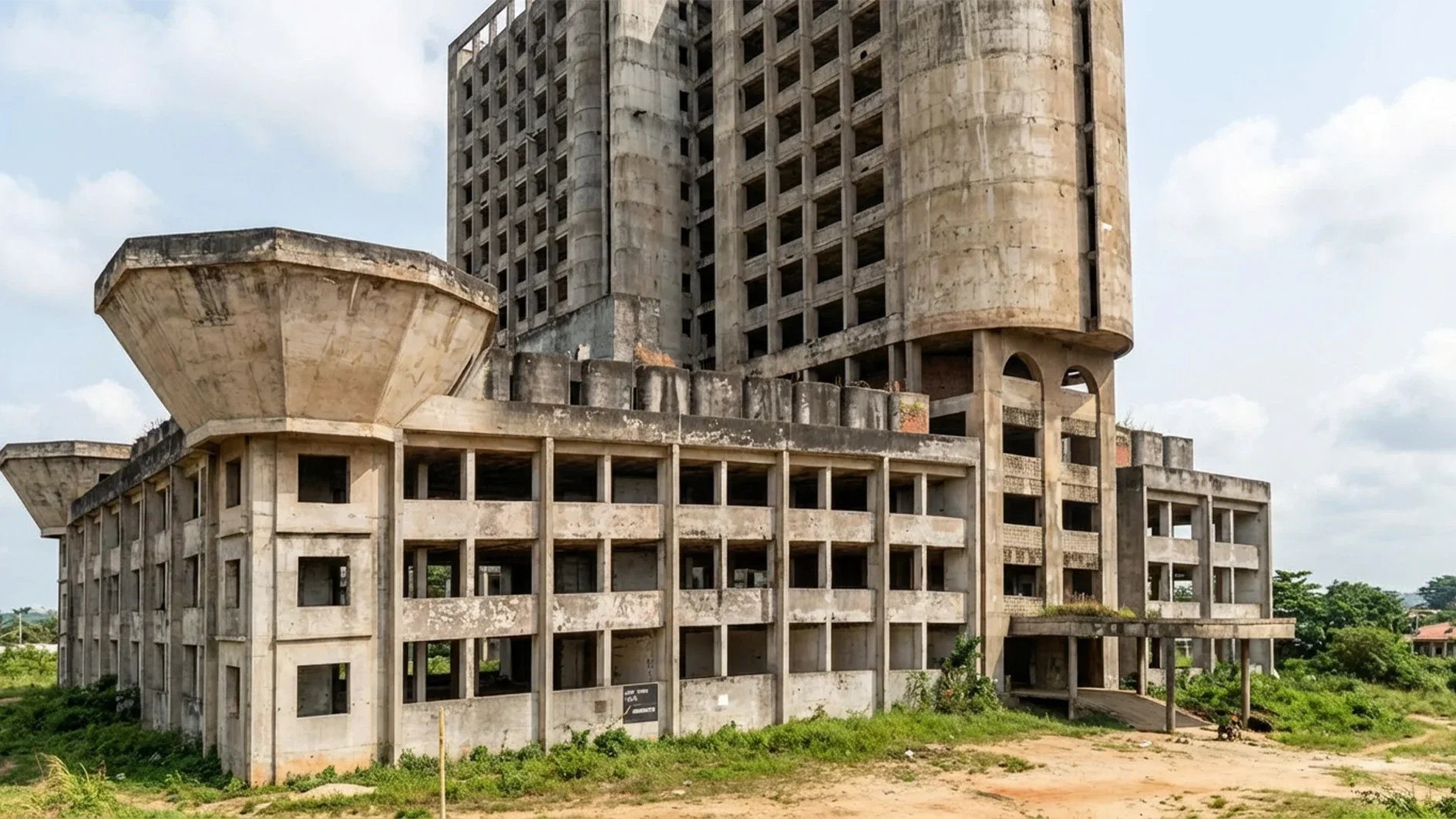
Funding and rising costs continue to stall housing projects
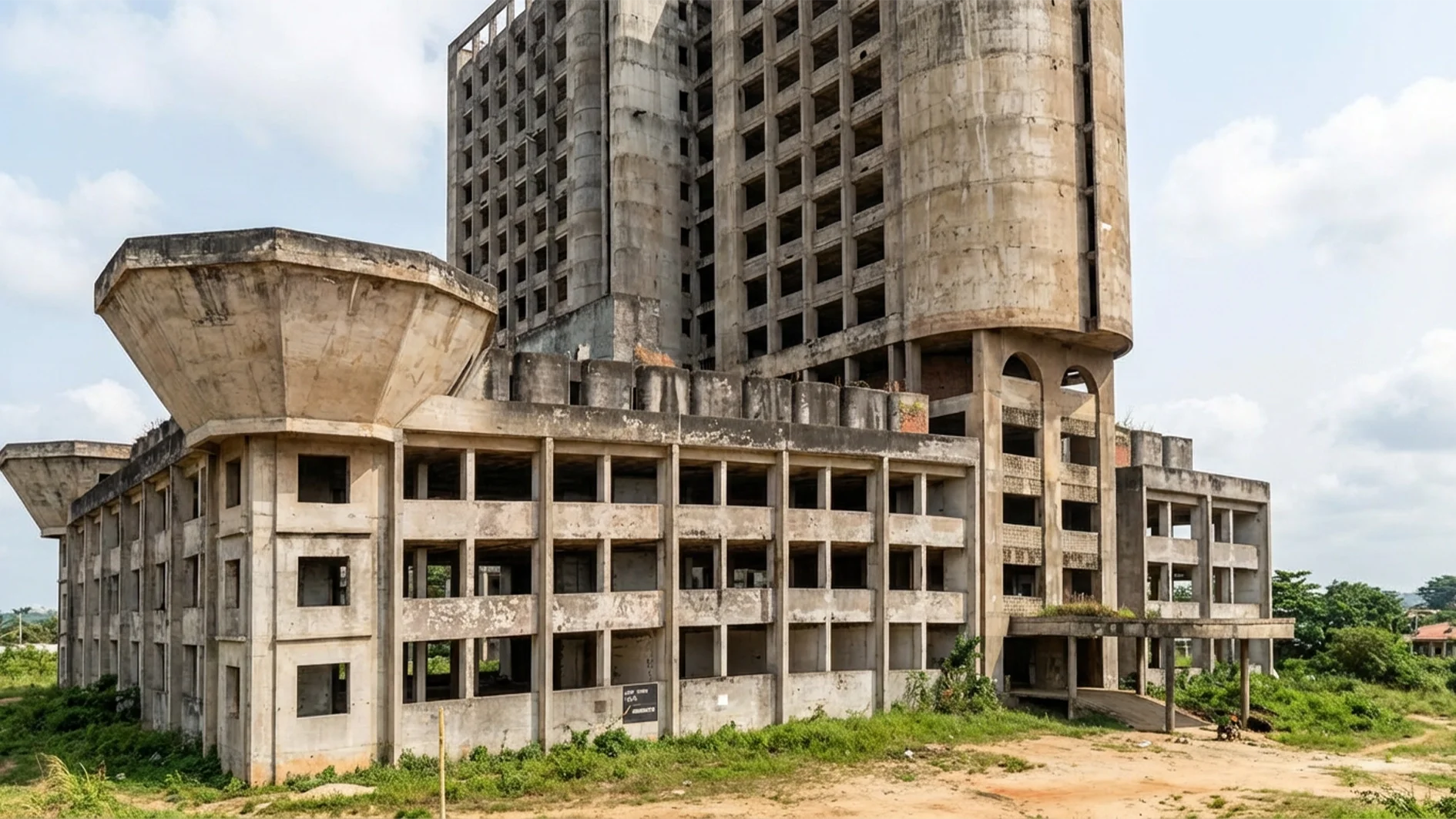
Nigeria’s abandoned housing projects are exposing a deeper financing and project-viability challenge within the property market, with inadequate funding, rising construction costs and weak financial planning leaving developments stalled for years.
/ You Might Also Like /




The issue gained renewed attention after the Federal Government disclosed that about 250,000 housing units within abandoned projects could potentially be recovered and returned to productive use.
However, property professionals caution that the figure should not be treated as a uniform pool of completed homes waiting to be occupied. The ownership, location, physical condition, funding history and reason for abandonment vary from project to project.
The Federal Government has said it is taking stock of abandoned housing projects across the country as part of efforts to expand the nation’s housing stock. But bringing those projects back into use will require more than identifying them; it will require a clear assessment of their financial and commercial viability.
Funding Shortfalls Remain a Major Cause
One of the central problems identified by industry professionals is inadequate or interrupted funding.
Estate surveyor and valuer Olalekan Akinwumi said abandoned developments are often the result of developers commencing projects without securing sufficient financing to carry them through to completion.
This creates a significant vulnerability in a sector where housing developments typically require substantial upfront capital and extended construction periods.
A project that begins with insufficient funding can quickly become exposed to higher financing costs, delays and additional construction expenses. Once work stops, the cost of returning to the site may be significantly higher than the original completion budget.
The result is a cycle in which an unfinished development becomes progressively more expensive to complete while its economic value deteriorates.
Rising Construction Costs Can Destroy Project Viability
The escalation in the cost of building materials has added another layer of pressure.
Akinwumi noted that increases in the prices of cement, steel, labour and other construction inputs can turn a project that was initially financially viable into one that is no longer commercially sustainable.
This is particularly important for developers working with fixed budgets or pre-agreed selling prices.
If construction costs rise substantially after a project has commenced, developers may face a difficult choice between injecting additional capital, increasing selling prices or suspending construction.
For projects targeted at lower- and middle-income households, raising prices may not be commercially feasible because affordability constraints can reduce the pool of potential buyers.
This creates a direct link between construction inflation and housing supply: when projects become unviable, planned housing units remain outside the market.
Weak Project Planning Can Increase the Risk of Abandonment
Financing alone does not explain every stalled development.
Akinwumi also pointed to inadequate market analysis, cash-flow projections and financial viability assessments as factors that can undermine housing projects.
Financial measures such as net present value, internal rate of return and sensitivity analysis can help developers assess whether a project can withstand changes in construction costs, financing conditions, sales rates and other market variables.
Without sufficient planning, developers may commit capital to projects whose underlying economics are too weak to support completion.
This makes project viability a critical consideration for Nigeria’s housing sector, particularly as developers operate in an environment characterised by changing material costs, financing conditions and household purchasing power.
Not Every Abandoned Project Has the Same Problem
The 250,000-unit figure also requires careful interpretation.
Akinwumi cautioned against treating all abandoned housing projects as if they resulted from the same circumstances. Some may have lost their original funding sources, while others may have become financially unviable because construction costs increased significantly after work began.
Government projects can also face delays and abandonment, meaning the problem extends beyond private developers.
For policymakers, this distinction matters because different causes require different interventions.
A project that requires additional financing cannot necessarily be addressed in the same way as one affected by ownership disputes, inadequate infrastructure, poor location or weak market demand.
Private Ownership Creates Another Constraint
The potential recovery of abandoned projects also raises legal and ownership considerations.
Former National Chairman of the Association of Estate Agents in Nigeria, Jatto Isah, said the government could not simply take over privately owned abandoned buildings without addressing the underlying ownership rights.
Where a privately owned property is to be acquired by government, the relevant legal and public-interest requirements would have to be satisfied.
This means any nationwide strategy to recover abandoned housing projects would need to distinguish between government-owned developments and privately owned properties.
It would also require clear mechanisms for determining ownership, outstanding obligations, development status and the cost of rehabilitation.
Reviving Stalled Projects Could Expand Housing Supply
Despite these challenges, abandoned developments represent a potential source of additional housing supply.
Where projects have suitable locations, sound structures and manageable completion costs, rehabilitation could be faster and potentially more efficient than starting entirely new developments.
The approach could also allow governments and investors to recover value from partially completed assets while reducing the amount of land, infrastructure and capital required for entirely new schemes.
However, the economic case for each project would need to be established individually.
A stalled development may appear to represent a ready-made housing opportunity, but its true value depends on the remaining construction cost, market demand, infrastructure, ownership structure and expected revenue.
Financing Will Remain Central to Housing Delivery
The abandoned-project challenge reinforces a broader issue confronting Nigeria’s housing market: increasing housing supply requires financing structures capable of supporting projects through the entire development cycle.
For developers, access to long-term and reasonably priced capital can reduce the risk of construction interruptions. For government, stronger project appraisal and monitoring can reduce the likelihood of public housing schemes becoming stranded assets.
There is also a wider role for institutional investors, mortgage institutions and development-finance providers in creating financing structures that match the long construction and sales cycles of residential development.
Without such mechanisms, rising construction costs can continue to erode the viability of projects before they reach the market.
Outlook
Nigeria’s estimated pool of abandoned housing projects highlights an important distinction between housing units that have been identified and housing units that can actually be delivered to households.
The Federal Government’s assessment of abandoned developments could create an opportunity to recover existing housing assets, but successful rehabilitation will depend on project-by-project assessments of ownership, funding requirements, construction condition, market demand and commercial viability.
More fundamentally, the problem demonstrates that Nigeria’s housing shortage is not only a question of how many homes need to be built. It is also a question of whether developers, governments and financiers can structure projects that remain financially viable from commencement to completion.
Until that financing gap is addressed, rising construction costs and interrupted funding will continue to leave housing projects stalled limiting the growth of Nigeria’s formal housing supply even as demand remains high.
READ MORE