Nigeria Needs Faster Investment in Green Maritime Infrastructure - APM Terminals
APM Terminals pushes green port investment
APM Terminals Nigeria has called for faster development of bankable green infrastructure projects, saying Nigeria must move beyond policy commitments and translate its climate and maritime ambitions into projects capable of attracting long-term investment.
/ You Might Also Like /




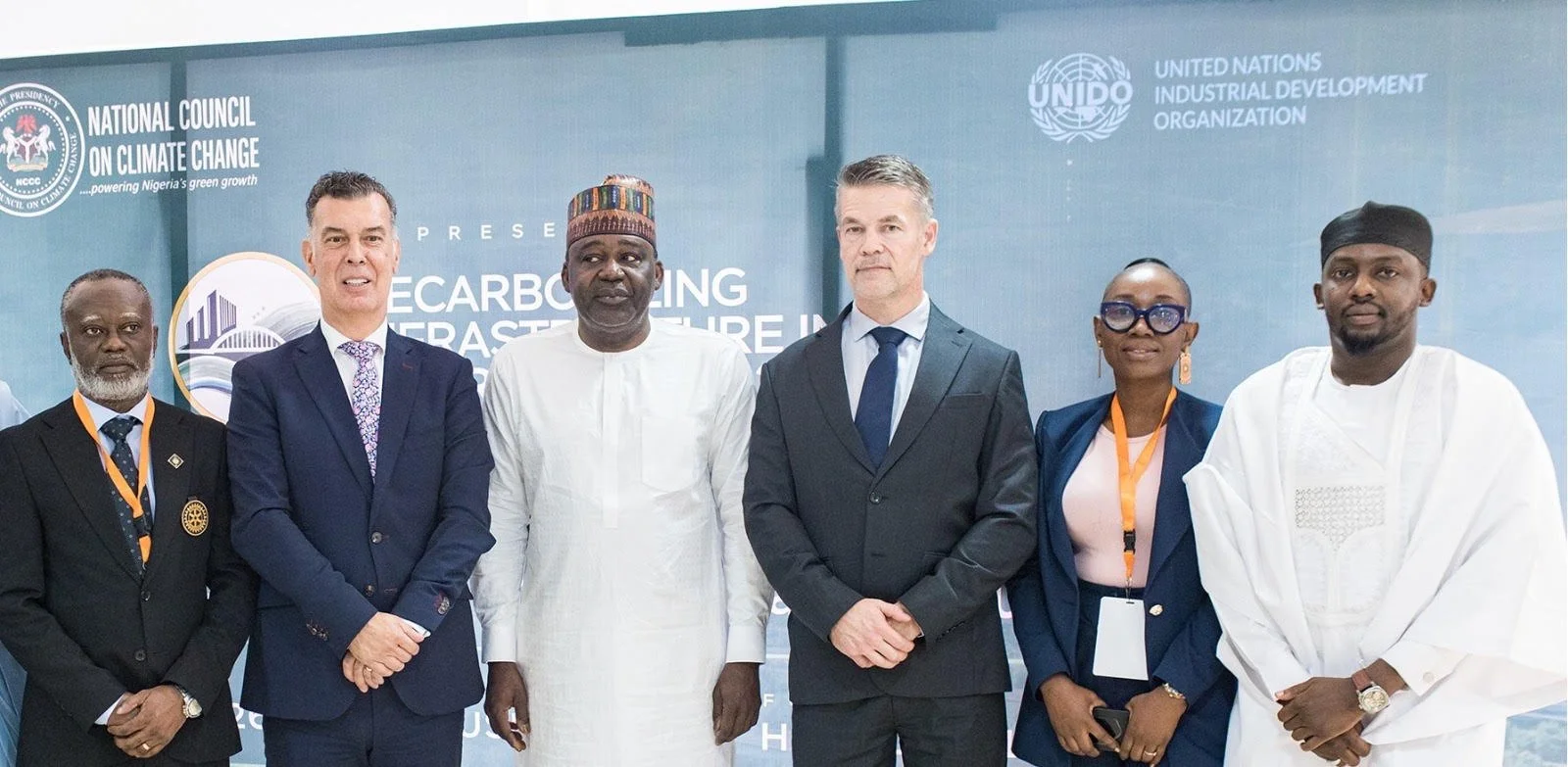
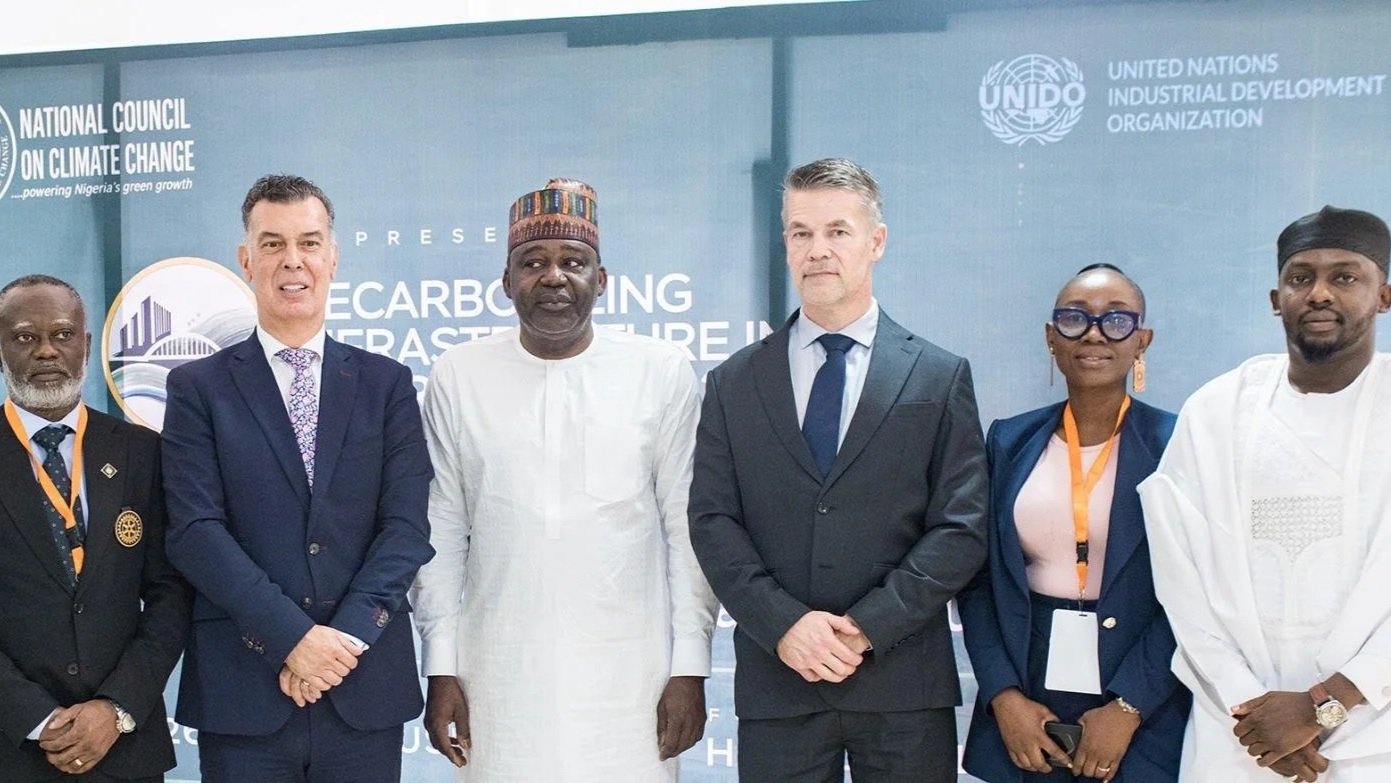
The call was made by APM Terminals Nigeria Chairman, Frederik Klinke, at the second Decarbonising Infrastructure in Nigeria (DIN) Summit in Abuja, themed “De-risking Green Infrastructure Investments: From Policy Architecture to Bankable Projects”.
Klinke said Nigeria had made progress in maritime reforms and climate action but argued that implementation must now become the priority, with stronger collaboration between government, industry, investors and development partners.
He stressed that regulatory clarity, project readiness, reliable emissions data and better integration between ports, roads, rail and inland logistics networks would be critical to attracting capital into green infrastructure.
APM Terminals Calls for Shift From Policy to Projects
Klinke said Nigeria's green infrastructure ambitions would have limited impact without projects that investors can assess, finance and implement.
He argued that climate strategies need to be converted into scalable projects that can deliver measurable economic and environmental benefits while strengthening the country's long-term competitiveness.
Maritime transport accounts for more than 80% of global trade by volume, making the efficiency and environmental performance of ports important to Nigeria's participation in international trade.
For Nigeria, improving port infrastructure could also have wider implications for the movement of goods, industrial activity and the development of commercial and logistics corridors around major ports.
Port Efficiency Is Central to Maritime Decarbonisation
APM Terminals Nigeria Chief Executive Officer, Koen De Backker, said reducing emissions in the maritime sector should not be viewed solely as a fuel-transition challenge.
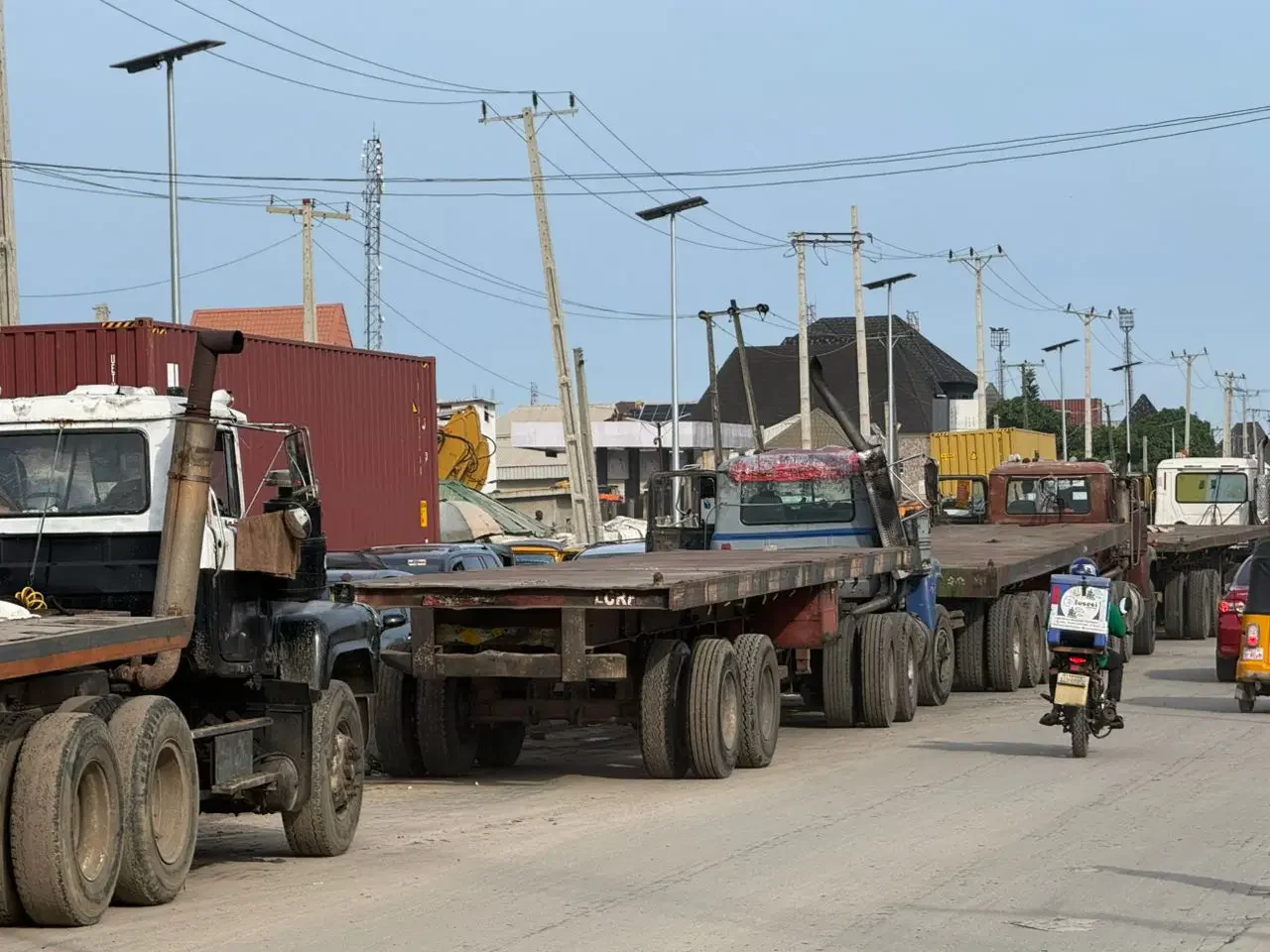
He identified operational efficiency as an important part of decarbonisation, including reducing equipment use and fuel consumption, cutting truck waiting times and congestion, improving cargo flow and adopting cleaner energy solutions.
According to De Backker, preparing ports for lower-emission technologies must go alongside efforts to make logistics operations more efficient.
This creates a direct link between green investment and economic performance, as faster cargo movement and lower congestion can reduce costs across the wider logistics chain.
Green Port Investment Could Strengthen Logistics Infrastructure
The push for greener maritime infrastructure comes as Nigeria seeks to improve the efficiency and competitiveness of its ports.
APM Terminals and the Nigerian Ports Authority (NPA) have already been working towards the electrification of port operations, with Onne Port being positioned as an example of green port development.
Discussions following APM Terminals' presentation at the inaugural DIN Summit contributed to the partnership aimed at advancing port electrification.
APM Terminals has also outlined plans, in partnership with the NPA, to invest in green power infrastructure and electric equipment across its Apapa and Onne operations.
Private Capital Needed to Close Green Infrastructure Gap
Representing Vice-President Kashim Shettima, Deputy Chief of Staff Senator Ibrahim Hadejia called for stronger public-private partnerships and innovative risk-sharing mechanisms to attract investment into Nigeria's green infrastructure sector.
He said the country's climate and infrastructure objectives would require greater participation from private investors, development finance institutions and institutional investors.
The emphasis on risk sharing reflects one of the major challenges facing large infrastructure projects in Nigeria: turning projects with long-term economic benefits into investments that are sufficiently prepared and de-risked to attract private capital.
Green Infrastructure Has Wider Real Estate Implications
Although the immediate focus is Nigeria's maritime sector, investment in port and logistics infrastructure could have wider implications for the property market.
Ports are surrounded by ecosystems of warehouses, distribution centres, industrial facilities, offices, worker accommodation and other commercial properties. Improvements in port efficiency can therefore influence the attractiveness of surrounding locations for logistics and industrial investment.
For developers and investors, more reliable energy infrastructure and better cargo movement could strengthen the operating environment for industrial and logistics real estate around major maritime corridors.
However, these benefits will depend on whether green infrastructure investment extends beyond individual terminals to supporting road, rail, power and inland logistics networks.
Nigeria's Green Transition Requires Infrastructure Integration
The DIN Summit also highlighted the need to connect maritime decarbonisation with the wider infrastructure network.
More efficient ports cannot operate in isolation from the roads and railways that transport cargo to and from terminals. Congestion, unreliable power or inefficient inland logistics can undermine some of the gains made through investments within ports.
A coordinated approach could therefore provide broader economic benefits by improving the movement of goods while reducing energy consumption and emissions across the supply chain.
Outlook
Nigeria's push towards greener maritime infrastructure is increasingly moving from policy discussion towards questions of financing, project preparation and implementation.
For the property and infrastructure sectors, the significance extends beyond emissions reduction. Investments in port electrification, cleaner equipment, reliable power and integrated logistics networks could strengthen industrial and commercial development around Nigeria's major trade corridors.
The immediate challenge, however, remains converting policy commitments into bankable projects capable of attracting the long-term capital required to deliver them.
As Klinke noted, the focus now needs to shift from discussing whether decarbonisation will happen to creating the partnerships, regulatory framework and investment environment required to deliver it at scale.
READ MORE