Kogi Ends Roadside Haulage Fees to Improve Goods Movement and Business Efficiency
Kogi Moves to Ease Goods Transportation with Roadside Levy Ban
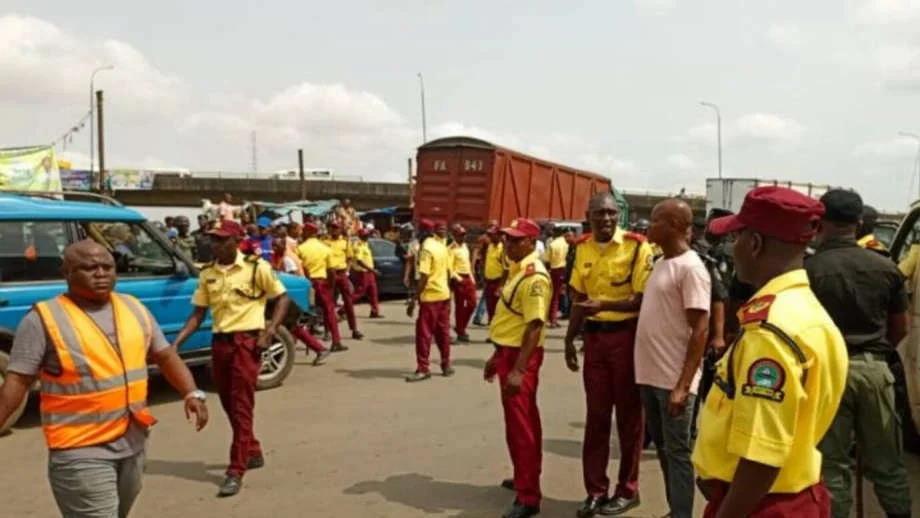
The Kogi State Government has banned all forms of roadside revenue collection and haulage fees on highways following the implementation of Nigeria's new tax law, a move aimed at improving the ease of doing business, streamlining tax administration and eliminating illegal collections that have increased transportation costs. The directive, announced by the Kogi State Internal Revenue Service (KGIRS), is expected to simplify the movement of goods across the state, including construction materials critical to housing and infrastructure projects.
/ You Might Also Like /




New Tax Regime Prohibits Highway Revenue Collection
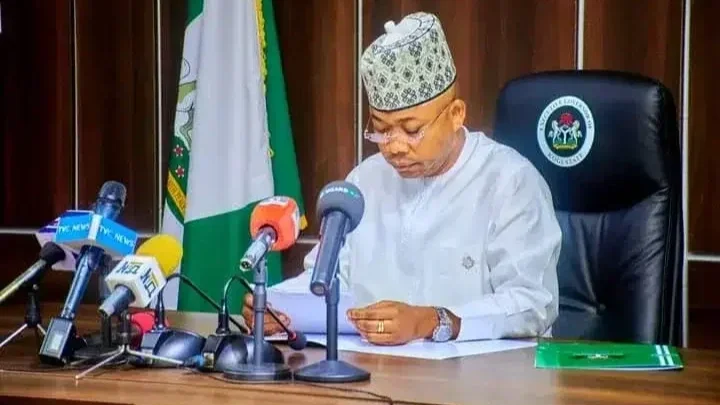
Speaking in Lokoja, the Executive Chairman of KGIRS, Dr. Salihu Enehe, said the new tax regime expressly prohibits unauthorised revenue collection on highways under the guise of taxation. He explained that the reform abolishes the sale of revenue emblems and the collection of haulage fees on highways, bringing an end to practices that have long been criticised by transport operators and businesses.
Enehe warned that anyone found engaging in illegal roadside collections would be regarded as an economic saboteur and prosecuted in accordance with the law. According to him, the government is determined to enforce compliance and sanitise the state's revenue administration system.
Haulage Charges Restricted to Loading and Off-Loading Points
Under the new policy, legitimate haulage charges may only be collected at approved loading and off-loading locations. The state government said this approach aligns with the provisions of Nigeria's tax reforms, which seek to eliminate multiple taxation and improve the efficiency of goods transportation across the country.
The government also clarified that authorised tax collection must be carried out only through approved government channels, with no room for unofficial checkpoints or roadside collections.
Implications for Construction and Housing
For the housing and construction sector, the policy could improve the movement of cement, steel, roofing materials, aggregates and other building inputs transported through Kogi State, a key transit corridor linking northern and southern Nigeria.
Roadside levies and multiple checkpoints have often been cited by transporters as factors contributing to higher logistics costs and delivery delays. Eliminating these charges could improve supply chain efficiency and reduce bottlenecks affecting construction projects, although the overall impact on building material prices will also depend on fuel costs, transport availability and broader market conditions.
Supporting a More Predictable Business Environment
The policy forms part of broader efforts to strengthen tax administration and create a more predictable operating environment for businesses. By removing unauthorised revenue collection, the government aims to enhance investor confidence, facilitate interstate trade and improve compliance with formal tax processes.
Industry stakeholders have consistently argued that reducing multiple taxation and unofficial levies can lower operating costs for manufacturers, logistics firms and property developers, while improving the efficiency of infrastructure and housing delivery.
Outlook
The success of the policy will depend on effective enforcement and sustained collaboration between tax authorities, security agencies and transport operators. Ensuring that illegal checkpoints do not re-emerge will be critical to achieving the intended benefits of the reform.
For Nigeria's housing and construction industry, improved logistics and a more transparent tax environment could support more efficient delivery of building materials and contribute to a more competitive business climate.
Conclusion
Kogi State's decision to abolish roadside revenue collection and haulage fees marks a significant step towards modernising tax administration and improving the movement of goods. While the reform is primarily a fiscal measure, it also carries broader implications for construction, housing and infrastructure by reducing logistical barriers and supporting a more efficient supply chain. If effectively implemented, the policy could strengthen the state's investment environment and facilitate smoother delivery of materials essential for real estate and infrastructure development.
READ MORE