UTM Offshore Targets September Investment Decision for Nigeria's First Floating LNG Project
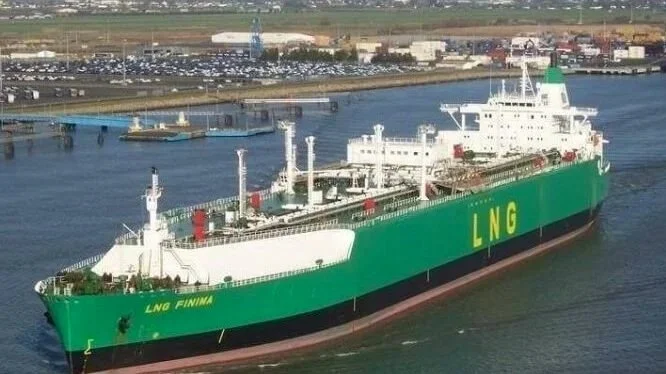
Nigeria's Floating LNG Project Nears Key Investment Stage
UTM Offshore has announced plans to reach a final investment decision (FID) in September for Nigeria's first floating liquefied natural gas (FLNG) project, marking a significant milestone in the country's efforts to expand gas production and monetise offshore gas resources. The announcement follows the execution of a long-term gas supply agreement that provides the project with a critical foundation for financing and future operations.
/ You Might Also Like /




The proposed FLNG facility, located at the Yoho Field offshore Akwa Ibom State, is expected to become Nigeria's first floating LNG export plant. The project forms part of broader national efforts to increase gas utilisation, diversify export earnings and strengthen the country's position in the global liquefied natural gas market.
Gas Supply Agreement Clears Key Milestone
UTM Offshore recently signed a 15-year gas supply agreement with the joint venture between NNPC Ltd and Seplat Energy Producing Nigeria Unlimited. Under the agreement, the project will receive 200 million standard cubic feet of gas per day from the Yoho field, providing long-term feedstock security for the planned facility.
According to the company, securing a reliable gas supply removes one of the project's most significant development hurdles and strengthens confidence among lenders, investors and potential LNG buyers ahead of the investment decision.
Project to Expand Nigeria's LNG Capacity
The floating LNG facility is designed to process offshore natural gas into liquefied natural gas for export. Industry reports indicate the project is expected to produce approximately 1.8 million tonnes of LNG annually, supporting Nigeria's strategy to commercialise stranded gas reserves while reducing gas flaring.
The project received Nigeria's first licence for a floating LNG export facility in 2024 and is being developed by a consortium led by UTM Offshore, with NNPC Ltd holding a minority equity stake alongside the Delta State Government.
Economic and Infrastructure Significance
The development is expected to attract substantial private investment into Nigeria's energy sector while supporting engineering, marine construction and associated infrastructure activities. Large-scale energy projects such as the FLNG facility typically generate demand for industrial services, logistics, fabrication and specialised construction throughout the development phase.
For the broader economy, expanding LNG production could strengthen export earnings, improve foreign exchange inflows and reinforce Nigeria's long-term gas development strategy.
Implications for Housing and Construction
Although primarily an energy sector project, the investment has broader implications for construction and infrastructure. Development of the FLNG facility is expected to create demand for engineering services, fabrication yards, logistics infrastructure and workforce accommodation during the construction phase.
Large industrial projects can also stimulate economic activity in host communities, creating opportunities for commercial and residential real estate development as supporting infrastructure expands.
Outlook
With the gas supply framework now in place, UTM Offshore is focusing on achieving its targeted September investment decision, which would allow the project to move into full-scale development. Successful execution of the project would represent a major milestone in Nigeria's gas sector and strengthen efforts to diversify the country's energy exports beyond crude oil.
Conclusion
UTM Offshore's planned September investment decision brings Nigeria's first floating LNG project closer to construction and signals continued momentum in the country's gas sector. While the development is centred on energy production, its wider economic impact could support infrastructure development, industrial growth and investment across related sectors, reinforcing Nigeria's ambition to maximise the value of its natural gas resources.
READ MORE