Nigeria's Housing Deficit Widens as Urban Growth Outpaces Development
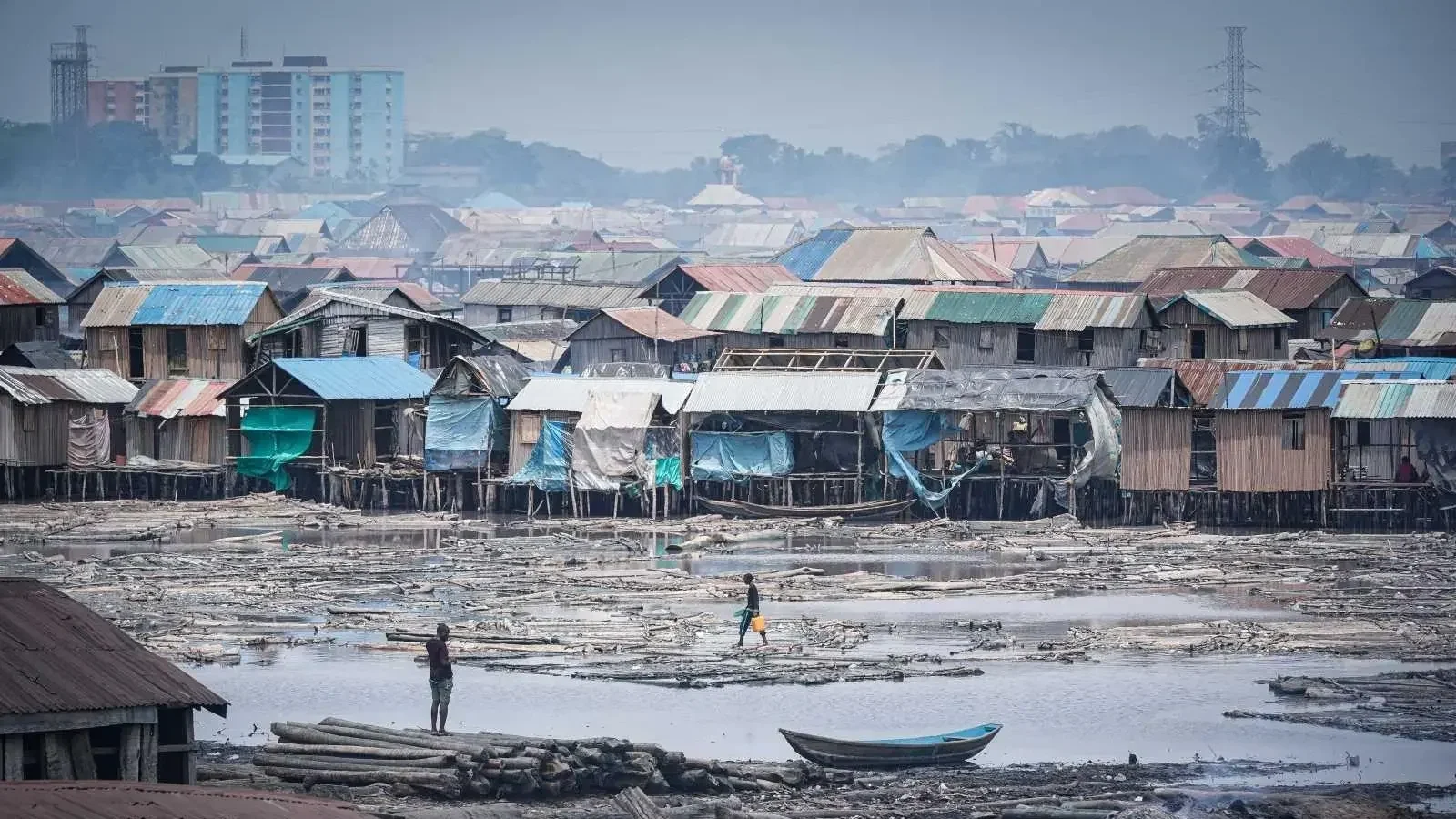
Urbanisation Puts Pressure on Housing Supply Across Nigeria
Nigeria's rapid urbanisation is intensifying pressure on housing supply, infrastructure and public services, raising fresh concerns over the country's ability to provide adequate and affordable homes for its growing urban population. A report published by Development and Cooperation (D+C) warns that the pace of urban growth continues to outstrip housing delivery, contributing to the expansion of informal settlements and widening the country's housing deficit.
/ You Might Also Like /




The report highlights that Nigeria is experiencing one of the fastest urbanisation rates in Africa, with millions of people moving to cities each year in search of employment and better economic opportunities. However, investment in housing, urban infrastructure and public services has failed to keep pace with this population growth, leaving many urban residents without access to decent and affordable accommodation.
Urban Population Growth Outpaces Housing Supply
According to the report, Nigeria's cities continue to expand rapidly while formal housing delivery remains insufficient to meet demand. This imbalance has contributed to rising housing costs, overcrowding and the proliferation of informal settlements, particularly in major urban centres such as Lagos, Abuja, Port Harcourt and Kano.
The report notes that inadequate urban planning, limited access to serviced land and weak infrastructure have made it increasingly difficult for both public and private sector developers to deliver affordable housing at the scale required.
Affordable Housing Remains a Major Challenge
Housing affordability continues to be one of the sector's most pressing challenges. High construction costs, expensive financing, rising land prices and limited access to long-term mortgage finance have placed homeownership beyond the reach of many Nigerians.
The report argues that addressing the housing deficit will require coordinated reforms that improve access to affordable land, strengthen housing finance systems and encourage greater private sector participation in residential development.
Informal Settlements Continue to Expand
The shortage of affordable housing has contributed to the continued growth of informal settlements across Nigeria's urban centres. Many residents are forced to live in communities with limited access to clean water, sanitation, electricity and other essential services.
The report emphasises that upgrading existing informal settlements should form part of a broader urban development strategy, alongside investments in new housing and supporting infrastructure.
Better Urban Planning Needed
The report identifies integrated urban planning as a critical requirement for sustainable city development. It recommends stronger coordination between housing, transport, land administration and infrastructure planning to ensure that future urban expansion remains orderly and inclusive.
It also calls for greater investment in public transport, roads, drainage systems and essential social infrastructure to support new residential developments and improve living conditions in existing communities.
Implications for Nigeria's Housing Sector
For policymakers, the report reinforces the need to accelerate affordable housing programmes while strengthening regulatory frameworks that encourage investment in residential development. For developers and investors, rapid urbanisation presents significant long-term opportunities, provided challenges relating to infrastructure, land access and financing are addressed.
The report also highlights the importance of public-private partnerships in expanding housing supply and improving the quality of urban development across the country.
Conclusion
Nigeria's rapid urbanisation presents both a significant challenge and an opportunity for the housing sector. While growing cities continue to drive demand for homes and supporting infrastructure, the current pace of housing delivery remains insufficient to meet the needs of an expanding urban population. The report concludes that accelerating affordable housing development, improving urban planning and expanding investment in infrastructure will be essential to building more resilient, inclusive and sustainable cities in the years ahead.
READ MORE