Kano considers property market regulation amid rising rents
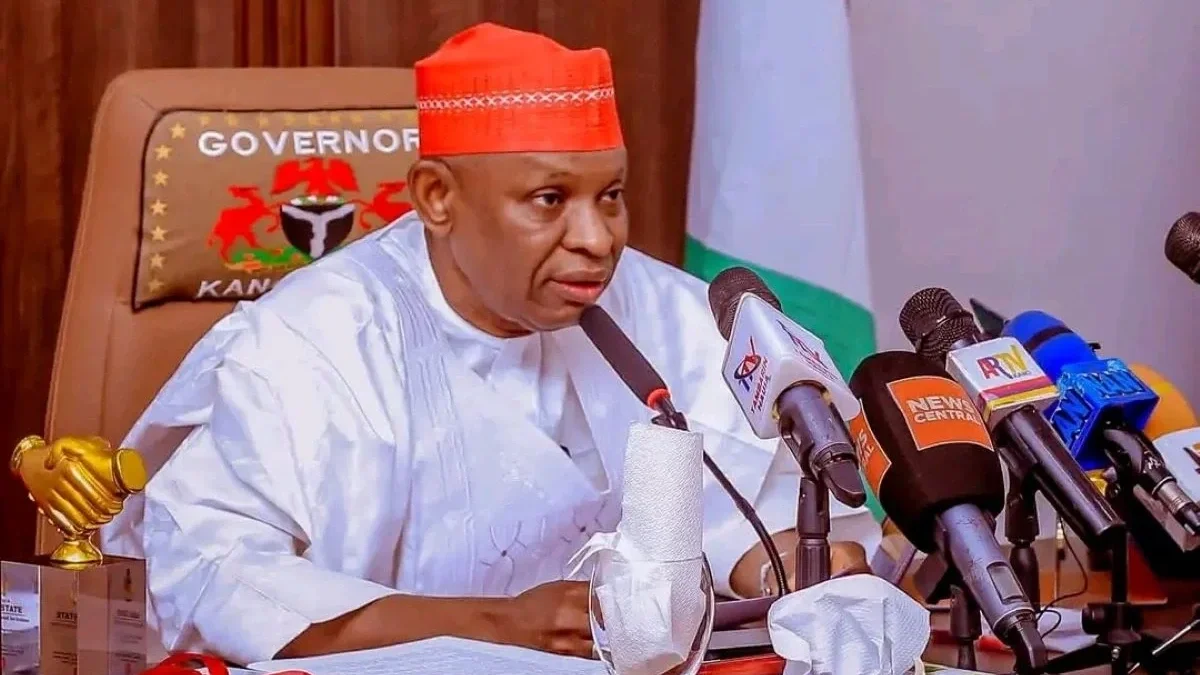
Kano State Government has begun moves to establish a Real Estate Regulatory Agency to monitor property market activities and address excessive rent charges, as rising housing costs put increasing pressure on tenants.
The proposed agency would operate under the state’s Ministry of Housing Development and provide regulatory oversight across the property sector. However, the plan remains subject to approval by Governor Abba Kabir-Yusuf, meaning the state has not yet established the regulator or announced when it could begin operations.
/ You Might Also Like /




The Commissioner for Housing Development, Ibrahim Yakubu-Adamu, disclosed the proposal on Wednesday, 25 November 2026, after defending the ministry’s proposed 2027 budget before a committee of the Kano State House of Assembly.
Kano Seeks Approval for Real Estate Regulatory Agency
Yakubu-Adamu said the ministry had submitted a memorandum to the governor seeking approval to create the agency. He explained that the proposed regulator would monitor activities in the property market and address practices contributing to high rental costs.
The commissioner said the proposal was still being processed and expressed hope that the governor would approve it.
If established, the agency would provide a dedicated regulatory structure for the state’s real estate sector. Its proposed responsibilities include overseeing market activities and addressing excesses among operators.
However, the government has not disclosed the agency’s proposed enforcement powers, registration requirements, complaint-resolution procedures or specific measures for addressing rent increases. It is therefore not yet clear whether the regulator would introduce direct limits on rental charges or focus on monitoring and regulating property market operators.
National Real Estate Regulatory Agency Also Under Discussion
Kano’s proposal comes as efforts to establish a national real estate regulatory institution gather attention.
Yakubu-Adamu disclosed that the National Assembly had invited stakeholders to discuss a proposed bill for a National Agency on Real Estate. The engagement reportedly took place about two weeks before his remarks.
A national regulatory framework could provide broader oversight of real estate activities across the country, although the proposal remains at the legislative discussion stage based on the information available.
The emergence of state and national regulatory proposals reflects growing attention to the need for stronger oversight of Nigeria’s property market, particularly around the activities of estate agents, property managers and other market operators.
Enugu Takes a Different Approach to Rising Rents
Kano’s proposed agency follows a separate legislative effort in Enugu State to control rental increases and related charges.
On 18 November 2026, the Enugu State House of Assembly passed a bill seeking to limit rent increases to a maximum of two per cent every four years, subject to specified exceptions. The bill also proposes caps on agency, legal and caution fees.
Under the proposed provisions, agency fees would be limited to five per cent of annual rent, while legal and caution fees would each be capped at 10 per cent. The legislation is awaiting the governor’s assent before it can become law.
The two states are pursuing different regulatory approaches. Enugu’s proposal sets out specific limits on rental increases and associated charges, while Kano is seeking to create an institution with oversight responsibilities across the property market.
The distinction matters because establishing a regulator does not automatically translate into rent controls. The practical effect of Kano’s proposal will depend on the agency’s eventual legal powers and the rules governing its operations.
Construction Costs and Limited Rental Supply Add to Rent Pressure
Rising rents across Nigerian cities reflect several pressures on the housing market, including higher construction costs, inflation, currency depreciation and limited housing supply.
Increasing prices of building materials and other development expenses raise the cost of delivering and maintaining residential properties. Property owners may transfer some of these costs to tenants through higher rents.
Currency depreciation also affects landlords seeking to preserve the value of rental income, particularly where they assess returns against foreign currencies. Meanwhile, strong demand for rented accommodation continues to compete with a limited supply of new rental properties.
Financing conditions also influence the type of housing developers bring to the market. Developers often favour outright sales over rental housing because sales can provide faster capital recovery, while rental developments typically require longer investment periods.
A Fortren & Company report cited in the Nairametrics report estimates that rental developments take between eight and 15 years to recover their costs, compared with the 12 to 36 months lenders and investors typically expect for repayment after project completion.
This difference in investment timelines can discourage developers from expanding rental housing supply, leaving tenants to compete for a limited number of available properties.
Implementation Will Determine the Impact on Kano’s Rental Market
The proposed Real Estate Regulatory Agency could give Kano a dedicated institution to monitor property market activities and address practices that contribute to high rental costs. However, its ability to improve conditions for tenants will depend on the scope of its authority, enforcement capacity and the regulations introduced after approval.
The immediate next step is the governor’s decision on the ministry’s memorandum. The government will also need to clarify how the proposed agency will regulate operators, handle complaints and protect both tenants and property owners.
Beyond market oversight, expanding the supply of rental housing remains important to easing affordability pressures. Without more investment in rental properties and measures that address the cost of development, regulation alone may have limited influence on the underlying factors driving rents higher.
READ MORE