Federal Government launches modernisation of Apapa and Tin Can Island ports in Lagos
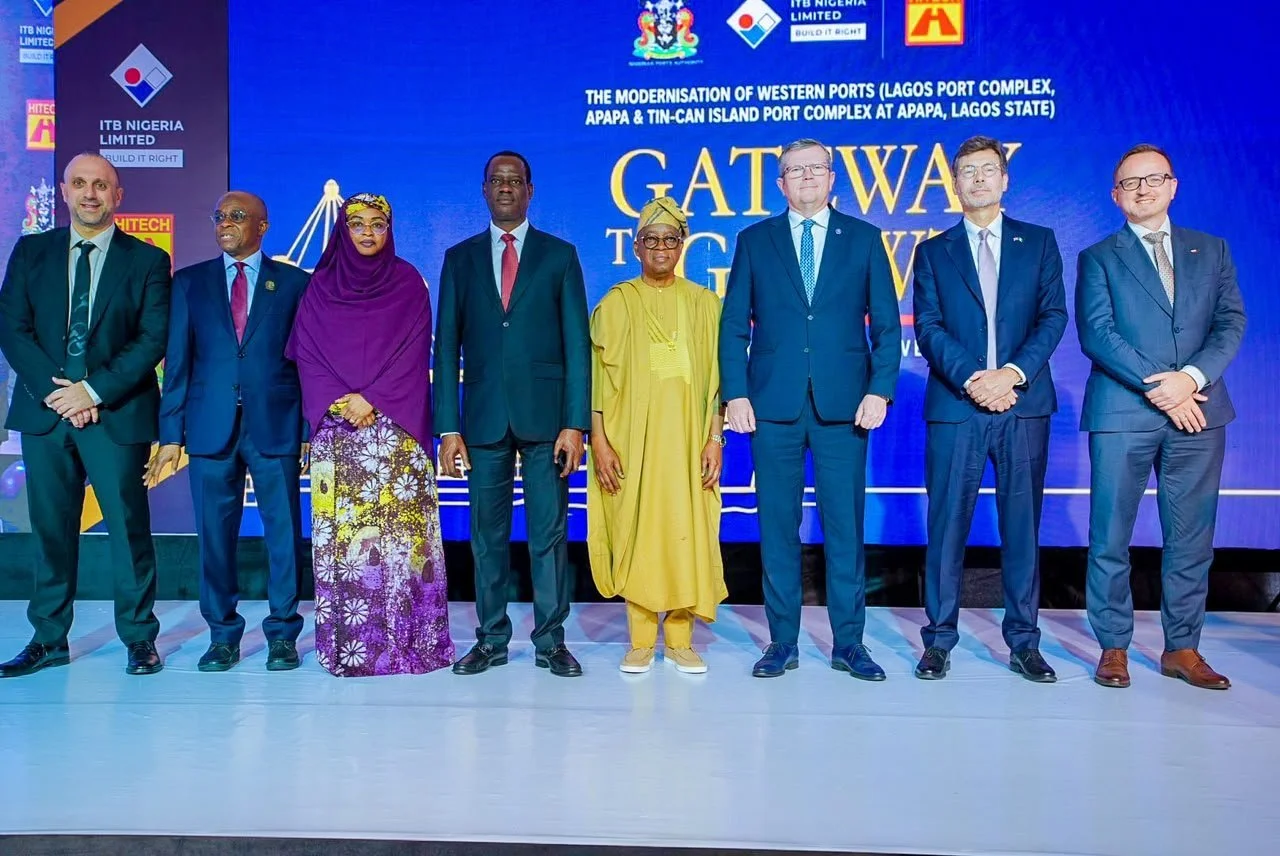
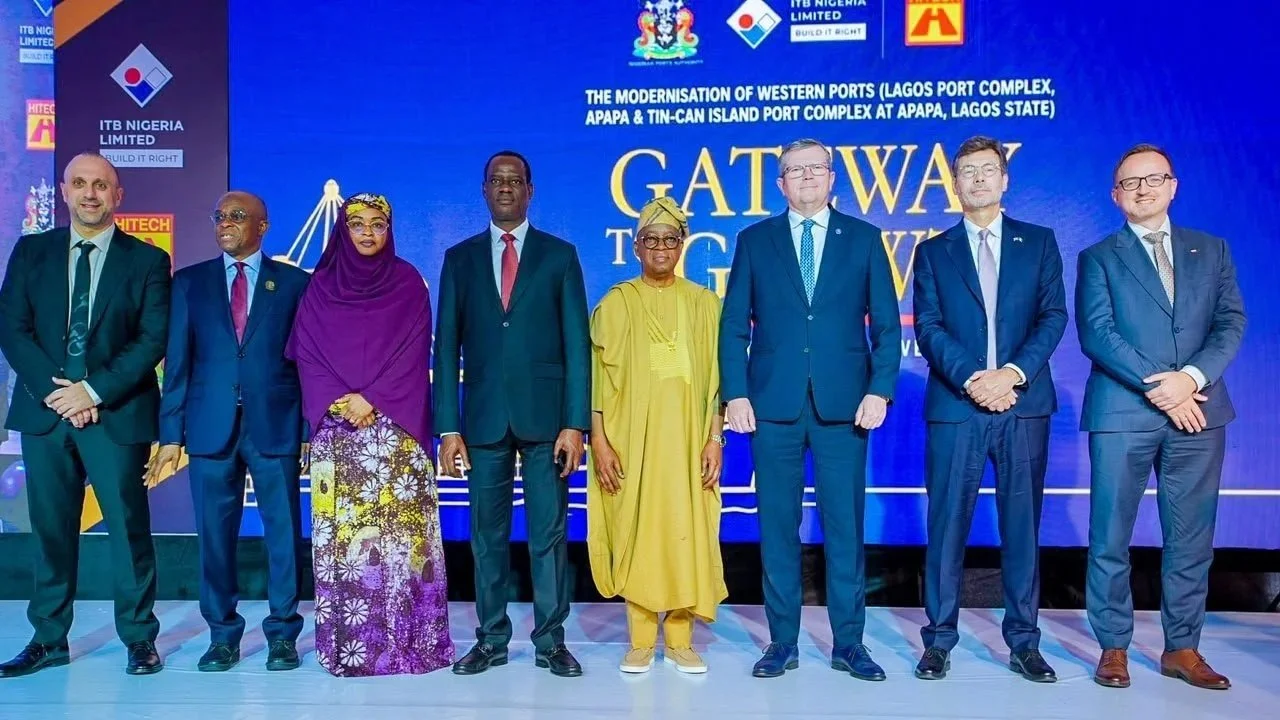
The Federal Government has flagged off a £746 million (approximately ₦1.45 trillion) modernisation programme for the Lagos Port Complex in Apapa and Tin Can Island Port, in a major infrastructure intervention aimed at reducing cargo delays, lowering logistics costs and improving Nigeria’s competitiveness in international trade.
/ You Might Also Like /




The project, launched on Wednesday, 25 November 2026, by the Minister of Marine and Blue Economy, Adegboyega Oyetola, alongside the Minister of Finance and Coordinating Minister of the Economy, Taiwo Oyedele, will involve the rehabilitation of critical port infrastructure and the introduction of modern cargo-handling and digitally enabled operational systems.
The government expects the investment to create at least 20,000 direct and indirect jobs across construction, engineering, dredging, logistics, transportation and port operations.
The project represents a significant upgrade of two of Nigeria’s busiest maritime gateways, which have faced ageing infrastructure, congestion and operational inefficiencies as cargo volumes and the country's trade requirements have expanded.
FG Targets Infrastructure Deficits at Lagos Ports
Oyetola said the modernisation programme would address longstanding infrastructure deficiencies that have constrained the operational capacity of Apapa and Tin Can Island ports.
The planned works include the rehabilitation of quay walls and berths, dredging of navigation channels, improvements to access facilities, installation of modern cargo-handling equipment and upgrades to port operating systems.
The government also intends to introduce more integrated and digitally enabled port operations to improve cargo movement and reduce delays.
The scale of the infrastructure challenge reflects the growth in Nigeria's economic and maritime activity. Apapa Port was established in 1913, while Tin Can Island Port commenced operations in 1977, when Nigeria's population stood at approximately 67.2 million and cargo throughput was 8.11 million metric tonnes.
Nigeria's population has since grown substantially, annual merchandise trade has exceeded $100 billion, and cargo throughput has risen to 129.3 million metric tonnes, according to figures presented by the minister.
The government argues that the existing facilities require substantial investment to meet the demands of modern shipping and growing trade volumes.
Port Delays Cost Nigerian Economy Billions Annually
The modernisation programme is also intended to address lengthy cargo clearance processes and high logistics costs associated with inefficiencies at Nigerian ports.
Oyetola said cargo dwell time at Nigerian ports had historically ranged between 10 and 18 days, compared with three to five days at leading international ports.
The delays contribute to congestion, demurrage, storage charges and higher transportation costs for importers and exporters. The minister estimated that these inefficiencies cost the Nigerian economy as much as $4 billion annually.
Reducing cargo dwell time and improving vessel turnaround could lower the cost of moving goods through the ports. This would have implications beyond maritime operators, particularly for manufacturers, distributors, farmers and businesses that depend on imported inputs or export infrastructure.
For consumers, improvements in port efficiency could also help reduce some of the additional costs that businesses pass on through product prices.
₦1.45 Trillion Project Backed by International Financing
The project is valued at £746 million, equivalent to approximately ₦1.45 trillion. The Federal Ministry of Finance has described the financing arrangement as a major sovereign export credit transaction backed by UK Export Finance, with Poland's export credit agency, KUKE, providing reinsurance for almost half of the financing and Citibank serving as a financing partner.
Oyedele said the investment reflects international financing institutions' participation in Nigeria's infrastructure development programme.
The minister, however, emphasised that the economic value of the financing would depend on effective project execution and measurable improvements in port operations.
The Federal Government has identified the contractor, ITB-HITECH, as responsible for delivering the project within the agreed budget and timeframe, with attention to engineering standards, safety and quality.
Government Plans to Maintain Port Operations During Construction
The government has said commercial activities at Apapa and Tin Can Island ports will continue throughout the construction period.
To manage potential disruption, Oyetola approved an inter-ministerial committee involving the Federal Ministry of Marine and Blue Economy, the Nigerian Ports Authority (NPA) and the Nigeria Ports Economic Regulatory Agency.
The committee will develop a port business continuity and cargo-flow management plan covering phased construction, vessel scheduling, cargo evacuation, truck traffic and the use of alternative ports and transport options.
Maintaining cargo movement during the rehabilitation will be important because prolonged disruption at the Lagos ports could create additional costs for businesses and worsen congestion across the surrounding logistics network.
The government's ability to coordinate construction activities with existing port operations will therefore influence how quickly the project delivers benefits.
Lagos Port Upgrade Forms Part of Wider Maritime Investment Programme
The Apapa and Tin Can Island modernisation is part of a broader Federal Government programme to upgrade maritime infrastructure across the country.
Oyetola said the government had also approved modernisation projects for Onne Port in Rivers State, Delta Port and Calabar Port.
The wider programme is intended to improve the capacity of Nigeria's port network, attract international shipping lines, retain cargo that could otherwise move through neighbouring countries and expand opportunities for transshipment and regional trade.
Improved port infrastructure could also strengthen Nigeria's position under the African Continental Free Trade Area by making it easier for local businesses to move goods across African markets.
Operational Reforms Will Determine the Project's Long-Term Impact
While physical infrastructure upgrades are central to the ₦1.45 trillion investment, industry stakeholders have also identified operational problems that require attention.
These include manual documentation, multiple agency approvals, congested container yards, inadequate access roads, insufficient cargo-handling equipment and weak coordination among government agencies.
Industry representatives have called for port automation, a functional single-window system, round-the-clock operations and improved traffic management to complement infrastructure improvements.
The success of the project will therefore depend not only on the rehabilitation of berths, quay walls and navigation channels but also on reforms that improve how cargo moves through the ports.
For Nigeria's construction, manufacturing, logistics and property sectors, more efficient ports could reduce the cost of imported building materials, equipment and other inputs while improving access to international markets. However, these benefits will depend on timely project delivery and sustained improvements in port operations.
READ MORE