ECOWAS targets higher rice production and regional self-sufficiency by 2035
The Economic Community of West African States (ECOWAS) has launched a regional rice development programme backed by an investment mobilisation target of $850 million, with Nigeria among the countries expected to benefit as the bloc seeks to reduce rice imports and achieve self-sufficiency by 2035.
/ You Might Also Like /




The Regional Resilient Rice Value Chains Development Programme, known as REWARD, is being implemented in partnership with the African Development Bank (AfDB) and the Africa Rice Centre (AfricaRice). The initiative aims to strengthen rice production, processing and marketing across West Africa.
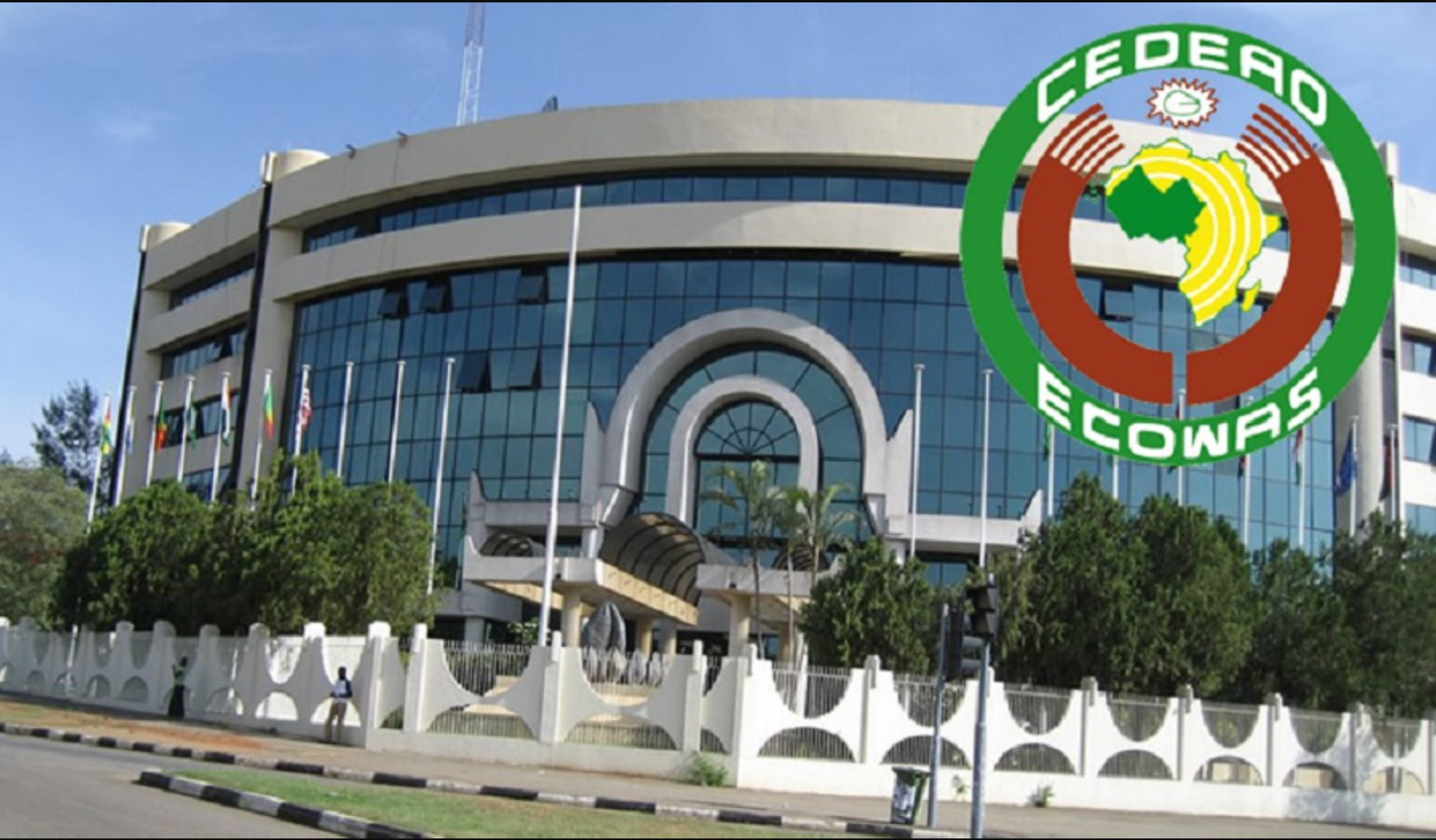
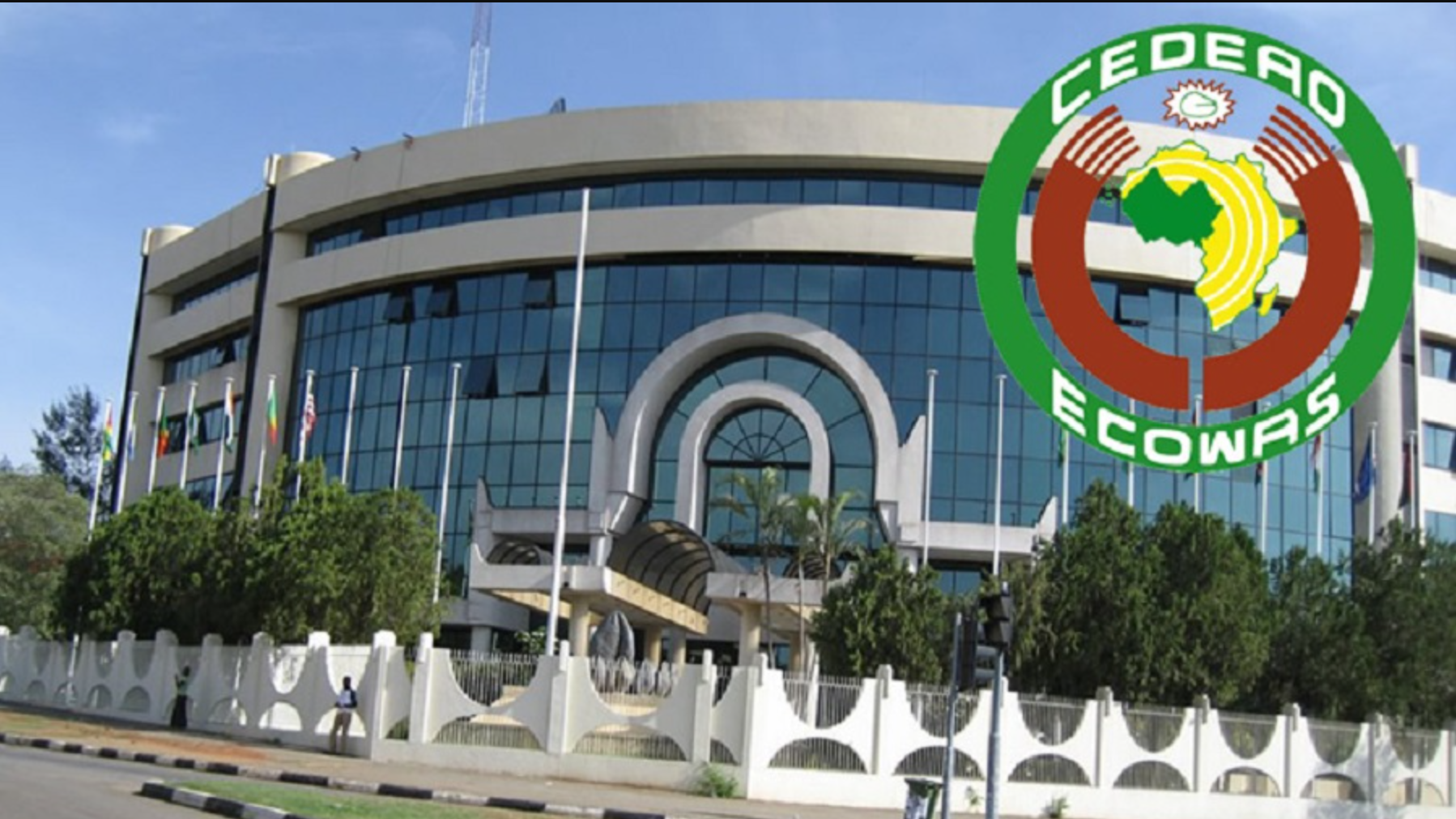
The programme was officially launched at the ECOWAS Commission headquarters in Abuja on 11 November 2026. It forms part of the bloc’s Regional Rice Roadmap for 2025–2035.
ECOWAS lists 15 participating countries: Nigeria, Benin, Burkina Faso, Cabo Verde, Côte d’Ivoire, The Gambia, Ghana, Guinea, Guinea-Bissau, Liberia, Mali, Niger, Senegal, Sierra Leone and Togo.
Programme Targets More Than One Million Farmers
Speaking at the launch, AfDB Acting Vice-President Abdul Kamara said the broader REWARD investment platform aims to mobilise $850 million across 14 countries and benefit more than one million farmers, particularly women and young people.
The programme is designed to address weaknesses across the regional rice value chain, including limited access to quality seeds, inadequate mechanisation, climate-related production risks, post-harvest losses and insufficient private-sector investment.
Its interventions will cover improved irrigation, climate-resilient farming practices, high-yielding rice varieties, processing and storage infrastructure, skills development and entrepreneurship.
The initiative also seeks to improve regional trade by harmonising agricultural policies and reducing non-tariff barriers that restrict the movement of rice and related products across national borders.
Nigeria’s Participation and the Regional Funding Structure
Nigeria’s inclusion gives the country an opportunity to benefit from regional interventions aimed at improving agricultural productivity, processing capacity and market access.
The programme’s financing structure includes a $12 million African Development Bank grant for the ECOWAS-led policy and regulatory reform component, alongside an in-kind contribution of $1.2 million from the regional commission. A separate $8.5 million AfDB-funded technical support project is being implemented through AfricaRice.
These allocations form part of the wider programme architecture and should not be interpreted as funds already earmarked for Nigeria. Details of the country-specific allocation, projects and disbursement timetable have not been fully set out in the public launch information.
The distinction matters for Nigerian farmers and agribusinesses because the programme’s practical impact will depend on how financing and technical support reach local production zones, processors and other participants in the value chain.
Programme Seeks to Address Weaknesses Across the Rice Value Chain
REWARD is structured around interventions covering production, processing, marketing and regional policy coordination. Its priorities include improving access to quality seeds, expanding irrigation, promoting climate-resilient farming practices and strengthening storage and processing facilities.
The programme also seeks to improve the competitiveness of locally produced rice through better market access and regional trade integration. Harmonised policies and the removal of non-tariff barriers are expected to make it easier for participating countries to trade rice across borders.
ECOWAS has established a Regional Steering Committee to provide oversight, coordinate implementation and monitor progress. The bloc is targeting regional rice self-sufficiency by 2035.
Implementation Will Determine Impact on Rice Prices and Food Security
The programme comes as West African countries seek to reduce their exposure to imported rice and external supply disruptions. However, increasing local production alone will not guarantee lower prices for consumers.
The effectiveness of the initiative will depend on whether farmers gain access to improved inputs, irrigation, mechanisation and affordable finance, while processors receive the investment needed to expand milling, storage and distribution capacity.
For Nigeria, the programme could strengthen domestic rice production and create opportunities for farmers, processors and agricultural investors. However, the scale of the benefit will depend on the allocation of resources to Nigerian projects and the pace at which support reaches producers.
The 2035 target therefore represents a significant regional ambition, but its success will ultimately be measured by improvements in productivity, processing capacity, local supply and the affordability of rice across participating countries.
READ MORE