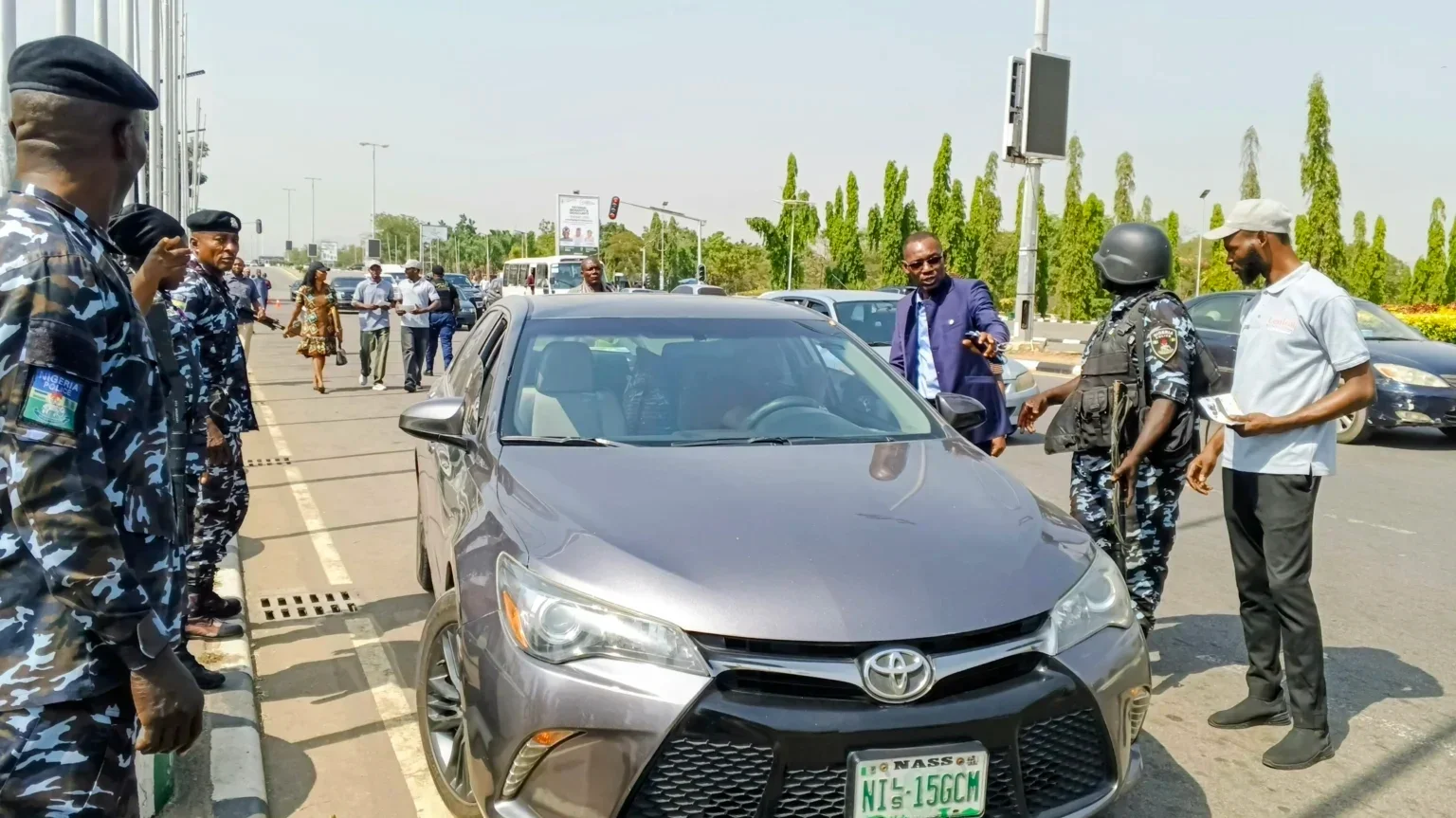
FCTA promotes the use of Abuja’s Central Business District Bus Terminal
The Federal Capital Territory Administration (FCTA) has intensified its campaign to encourage commuters to use the Central Business District (CBD) Bus Terminal in Abuja, as part of efforts to curb ‘one-chance’ criminal activities and improve public transport safety.
/ You Might Also Like /




The terminal, also known as the Eagle Square Bus Terminal, commenced operations on 2 November 2026 to provide an organised transit facility where vehicles and passengers can be registered and monitored.
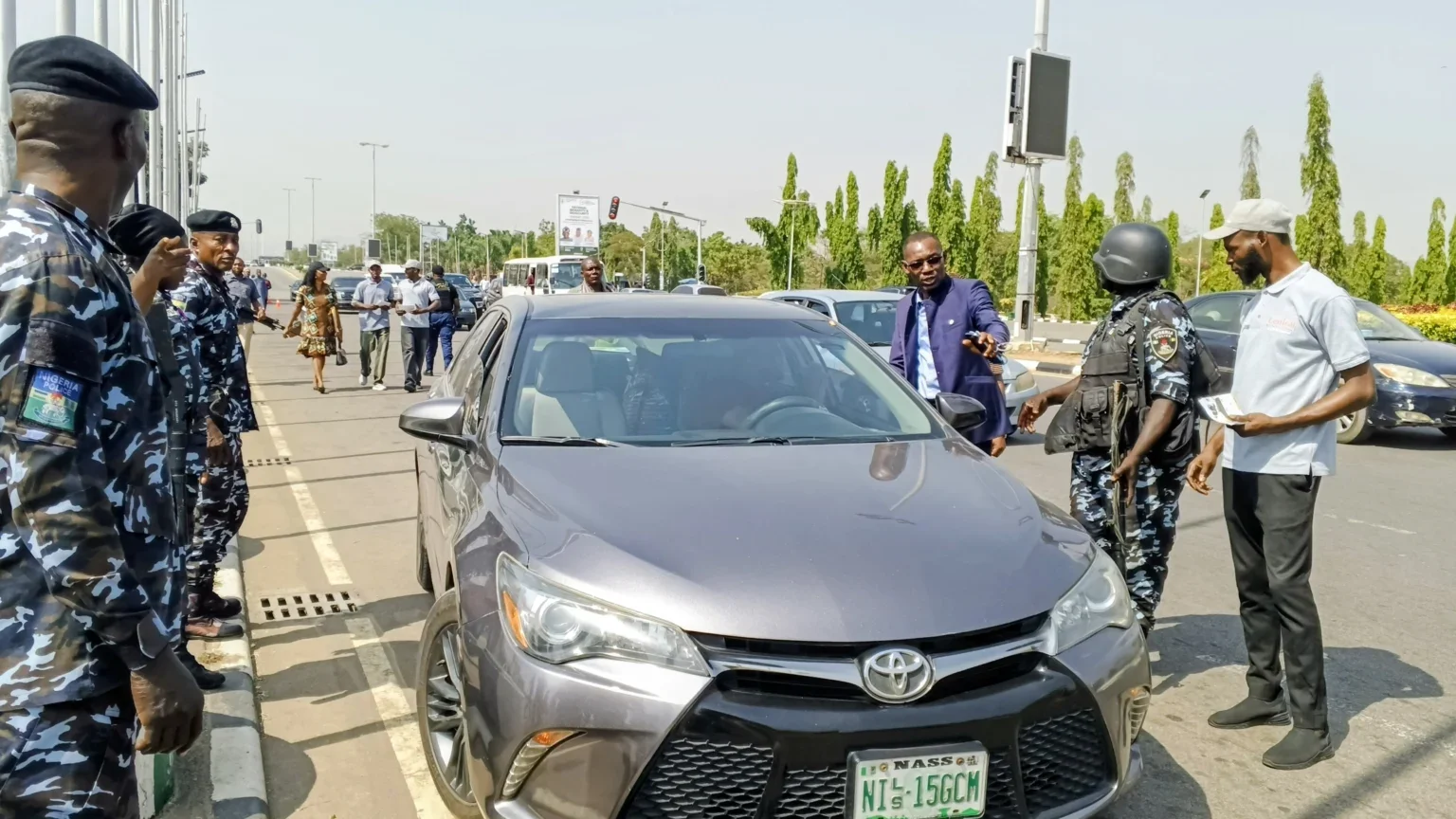
During a joint public awareness exercise on Wednesday, 25 November, the FCTA's Director of Security Services, Adamu Gwary, urged civil servants working around the Federal Secretariat to board vehicles from the designated terminal rather than roadside locations where criminal syndicates could target unsuspecting passengers.
The administration said the campaign, now in its third week, would eventually transition from public sensitisation to stricter enforcement of traffic regulations.
FCTA Links Bus Terminal Use to Improved Commuter Safety
Gwary, represented by the Secretary of the FCT Command and Control Centre, Peter Olumuji, said the administration intended to replicate the security improvements recorded around the Mabushi Bus Terminal.
He explained that the designated terminal provides a controlled environment for passenger boarding and vehicle operations, reducing opportunities for criminals to operate through unregistered commercial vehicles.
The FCTA said the mandatory registration and logging of vehicles and passengers at the CBD facility would help prevent ‘one-chance’ incidents, in which criminals use vehicles disguised as commercial transport to rob, abduct or assault passengers.
The awareness campaign involves a joint task force comprising the Nigeria Police Force, Nigeria Security and Civil Defence Corps, Department of State Services and Directorate of Road Traffic Services.
The administration also warned that motorists who violate traffic regulations could face sanctions as enforcement activities increase.
No Entry Charges or Transport Fare Increases, FCTA Says
The FCTA has sought to address concerns that the designated terminal could increase commuting costs.
Usman Abdulmuminu, representing the Mandate Secretary of the FCT Transportation Secretariat, Chinedum Elechi, said passengers would not pay entry fees to use the terminal and that transport fares remained unchanged.
He explained that commercial transport operators paid a token fee when loading passengers and exiting the facility.
The administration said the arrangement was intended to encourage operators and commuters to use the terminal without introducing additional charges for passengers.
The FCTA is also working to deploy at least 100 additional buses to increase the facility's transport capacity and improve access to organised public transportation.
FCTA Plans Stricter Enforcement Against Roadside Loading
The campaign forms part of the administration's wider effort to centralise commercial transport operations and discourage roadside passenger loading across Abuja.
By directing commuters and operators towards designated terminals, the FCTA intends to improve vehicle identification, regulate boarding activities and strengthen monitoring of public transport services.
The administration has previously warned commercial transport operators using unauthorised parks and roadside locations to relocate to designated terminals or face enforcement action.
The shift towards stricter enforcement will place greater responsibility on transport operators to comply with registration and terminal-use requirements.
However, the effectiveness of the policy will depend on whether designated facilities provide sufficient capacity, convenient access and reliable transport services for commuters.
Transport Infrastructure and Urban Safety in Abuja
The CBD Bus Terminal forms part of Abuja's broader investment in organised public transport infrastructure.
Beyond improving passenger safety, designated terminals can help reduce roadside congestion, improve traffic management and create more structured connections between commercial districts and residential neighbourhoods.
For property owners and businesses, better-organised transport systems can influence accessibility, commuter movement and the attractiveness of locations for commercial and residential activity.
However, the benefits will depend on effective integration with other transport routes, adequate bus availability and consistent enforcement of traffic regulations.
The FCTA's campaign therefore represents both a security initiative and an effort to improve the management of public transport in the Federal Capital Territory.
READ MORE