Police deployment heightens tension over disputed Magodo land.
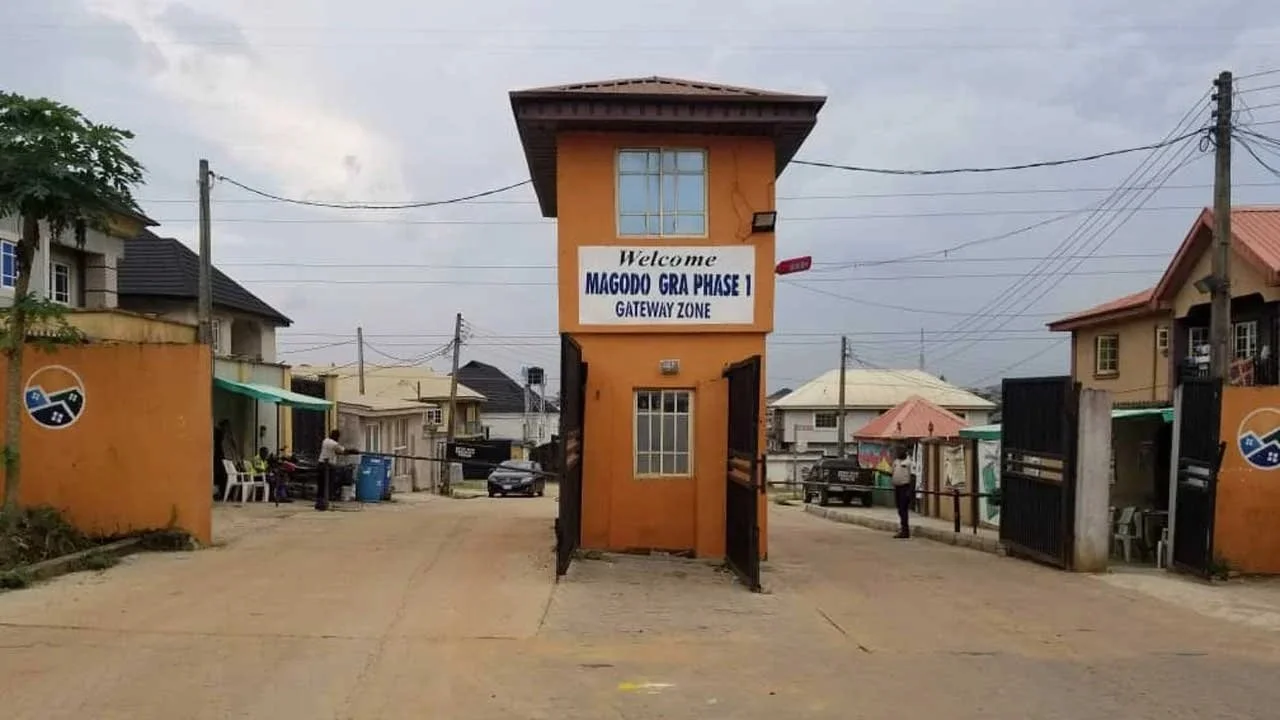
The longstanding Shangisha/Magodo land dispute in Lagos escalated on Wednesday, 25 November 2026, after about 200 police officers deployed to Magodo Phase 1, prompting protests from residents over access to disputed wetlands and plans to develop the land. The deployment disrupted movement within the estate and renewed concerns about how authorities will enforce a Supreme Court judgment involving 549 plots while addressing residents’ security and infrastructure concerns.
/ You Might Also Like /




Police Deployment Triggers Protests in Magodo
The police officers arrived in the early hours of Wednesday, reportedly at the request of judgment creditors, including members of the Adeyiga family. Their deployment was intended to provide security as the beneficiaries prepared to commence development of wetlands around Magodo.
The heavy security presence disrupted activities in the estate and prompted residents to challenge the officers. Videos of the confrontation circulated on social media, showing community representatives questioning the circumstances surrounding the deployment and accusing the police of entering the estate without adequate consultation.
A community representative also alleged that the police had breached a court order restraining them from arresting community officials. Residents further objected to the reported arrest of their chairman, arguing that the authorities should have invited him rather than taking him into custody. These allegations formed part of the residents’ objections and have not, in the reports reviewed, been independently established through the relevant court documents.
The police officers later withdrew from the estate, allowing traffic and movement in and out of the community to resume.
549 Plots at the Centre of the Shangisha/Magodo Dispute
The dispute centres on a longstanding land ownership and allocation disagreement involving the Shangisha community and Magodo residents.
The Supreme Court delivered a judgment in 2013 that upheld earlier rulings in favour of the claimants and directed the Lagos State Government to allocate 549 plots to the judgment creditors. The state government subsequently provided land as part of efforts to implement the judgment.
Members of the Adeyiga family are among the beneficiaries seeking to take possession of the allocated land. Their efforts to access the property and begin development have, however, faced opposition from residents over the proposed access routes and the potential effects of construction activities on the surrounding estate.
The latest confrontation has therefore brought the implementation of the court judgment into renewed focus, particularly the responsibilities of the state government and security agencies in managing competing interests around the property.
Residents Raise Security and Infrastructure Concerns
Magodo residents have opposed the proposed development of the wetlands, citing concerns about security, road damage and the possible disruption of existing infrastructure.
Their concerns include the movement of heavy-duty vehicles through the residential estate and the construction activity that may accompany development of the allocated land. Residents have argued that the beneficiaries should have access to the property without exposing the wider community to avoidable security and infrastructure risks.
In a separate report on the dispute, the Guardian quoted representatives of the residents as saying they were not opposed to the enforcement of the Supreme Court judgment but wanted the government to provide an alternative access route that would protect the estate. The residents identified possible routes around the Under Otedola Bridge and Agilinti in the Ketu area.
The beneficiaries, however, maintain that they need access to the allocated property to begin work. Their solicitor, Deji Fasusi, told the Guardian that disagreements over access routes had prevented them from commencing preliminary engineering works. He also alleged that workers engaged to access the property had faced attacks. The claims reflect the competing positions in the dispute.
Lagos Government Faces Pressure to Resolve the Dispute
The latest confrontation highlights the challenge facing the Lagos State Government in implementing the court judgment while addressing the concerns of residents in the affected estate.
A separate Guardian report stated that representatives of the parties and security agencies had attended a meeting at the Lagos State Attorney-General’s office on Monday, 23 November. At that meeting, the Solicitor-General reportedly assured the parties that the government would work towards resolving the outstanding issues within a week.
However, the subsequent police deployment and confrontation suggest that disagreements over access to the land remain unresolved.
The dispute also raises questions about coordination between government authorities, judgment creditors, residents and security agencies when enforcing land-related court decisions in established residential communities.
Land Rights and Development Disputes Remain a Challenge
The Magodo dispute demonstrates how unresolved questions around land allocation, access and development can create prolonged uncertainty for property owners, residents and investors. Even where a court has delivered a judgment, disagreements over implementation can delay possession and development while increasing tensions within affected communities.
For Lagos, the immediate challenge is to establish a workable arrangement that respects the rights of the judgment creditors, addresses residents’ concerns and provides a clear framework for accessing and developing the allocated land.
The withdrawal of the police officers restored movement in the estate, but it did not settle the underlying dispute. A lasting resolution will depend on the state government's ability to clarify access arrangements and coordinate the implementation of the judgment without further disruption.
READ MORE