Jabi Building Materials Market Fire Destroys Shops, Roofing Materials in Abuja
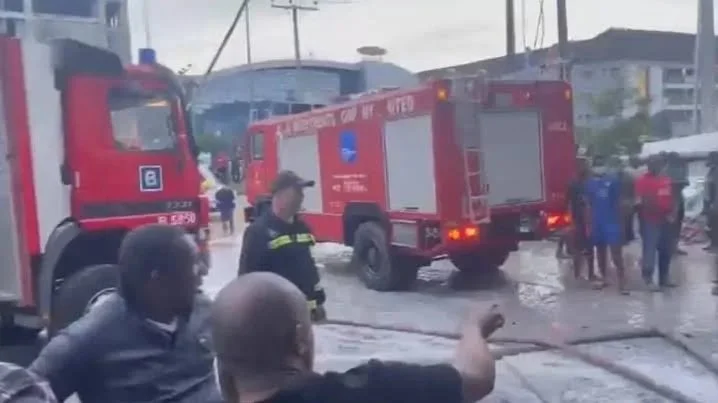
Fire destroys shops at Jabi Building Materials Market in Abuja
A fire outbreak at the Jabi Building Materials Market in Abuja has destroyed shops and goods worth millions of naira, including roofing materials, leaving traders to assess the extent of their losses.
The fire reportedly started at about 3:00 a.m. on Sunday at the market opposite Chida Hotel in Jabi, Abuja. Traders and nearby residents rushed to the area after receiving an emergency alert about the incident.
/ You Might Also Like /




No deaths were reported, but several businesses were affected by the blaze. One trader reportedly lost a shop and a storage facility, while roofing materials valued at more than ₦20 million were destroyed.
Fire Destroys Shops and Building Materials
According to an eyewitness cited in the report, the affected trader owned two shops and a storage facility at the plaza. While one shop was reportedly saved, the second shop and storage facility were destroyed.
The affected roofing materials were said to have been worth more than ₦20 million. The trader had reportedly restocked some of the goods shortly before the incident, increasing the financial impact of the fire.
The full value of the property and materials destroyed across the market had not been established at the time of the report.
The cause of the fire also remains unknown, with emergency authorities yet to release a definitive assessment.
Incident Highlights Fire-Safety Risks in Commercial Markets
The Jabi incident highlights the risks faced by businesses operating in markets where large quantities of combustible building materials are stored in relatively concentrated spaces.
Building materials markets typically handle products ranging from timber and roofing components to paints, electrical equipment and other construction supplies. A fire in such an environment can spread rapidly and cause significant losses to multiple businesses.
Beyond the immediate value of destroyed goods, affected traders can also face losses from damaged shops, disrupted operations, unpaid obligations and the cost of replacing inventory.
For property owners and market managers, the incident reinforces the importance of functioning fire-prevention systems, accessible emergency routes and adequate separation between high-risk storage areas.
Emergency Access Remains Critical
The speed at which emergency agencies can reach a commercial property can significantly influence the scale of damage during a fire.
Markets with congested layouts, inadequate access roads or poorly planned storage arrangements can make firefighting operations more difficult. Maintaining clear emergency routes and ensuring that fire-fighting equipment is accessible should therefore form part of the management of major commercial markets.
The Jabi fire also demonstrates why fire-safety planning needs to extend beyond individual shops to the wider market environment.
Insurance Protection Can Reduce Property Losses
The incident also brings commercial property insurance into focus.
For traders holding large inventories, adequate insurance can provide an important financial buffer against losses caused by fire and other risks. However, the effectiveness of insurance protection depends on proper documentation, appropriate coverage and compliance with policy requirements.
For commercial property owners and developers, insurance should form part of broader risk-management arrangements rather than being treated as a substitute for adequate fire-prevention measures.
Implications for Abuja’s Construction Supply Chain
The Jabi Building Materials Market plays a role in Abuja’s construction ecosystem by providing materials used by contractors, developers and individual property owners.
A major disruption at such a market can affect traders directly while also creating short-term supply challenges for construction activities if affected businesses are unable to resume operations quickly.
However, the immediate priority remains determining the full scale of the damage and supporting affected traders as investigations continue.
Need for Stronger Market Safety Standards
The incident presents an opportunity for authorities, market associations and property owners to review fire-safety arrangements across major building-material markets in Abuja and other Nigerian cities.
Regular fire-risk assessments, accessible emergency routes, functional extinguishers and hydrants, proper electrical installations, controlled storage practices and trader awareness can help reduce the risk of major losses.
For developers and investors, these measures are also important considerations when planning or investing in commercial property intended for high-risk trading activities.
Outlook
The Jabi Building Materials Market fire has caused significant losses for affected traders, although the total financial damage remains to be established.
While investigations should determine the cause of the outbreak, the incident highlights a wider issue for Nigeria’s commercial property sector: protecting market infrastructure and business inventories requires stronger preventive measures, effective emergency response systems and wider adoption of appropriate insurance coverage.
For Abuja, the priority will be to establish the full extent of the damage, identify the cause of the fire and strengthen safety measures to reduce the likelihood and impact of similar incidents in the future.
READ MORE