The IMF says ambitious tax revenue forecasts often fail when reforms lack effective implementation and administrative capacity
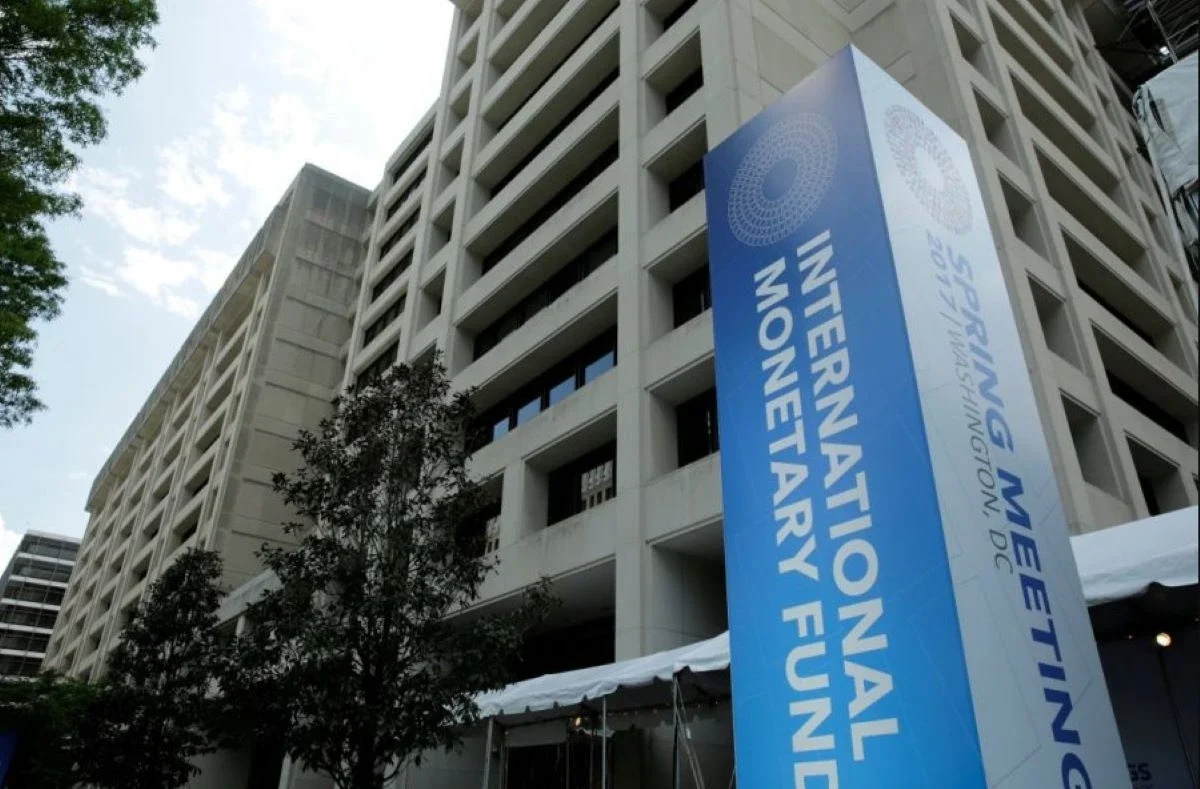
The International Monetary Fund (IMF) has warned that governments risk missing tax revenue targets when they rely on overly optimistic forecasts, weak policy implementation and limited tax administration capacity.
The warning carries implications for Nigeria as the country implements four major tax reform laws introduced in January 2026, with the government seeking to improve compliance, broaden the tax base and increase revenue collection.
/ You Might Also Like /




An IMF study, Understanding Over-Optimism in Tax Revenue-to-GDP Forecasts under IMF-Supported Programs, examined revenue projections under IMF-supported programmes between 2015 and 2024. It found that the median projected increase in the tax-to-GDP ratio by the third year was one percentage point, but the actual median increase reached only 0.3 percentage points.
The findings highlight a persistent gap between the revenue governments expect from tax reforms and the amounts they ultimately collect.
Why Governments Miss Tax Revenue Targets
The IMF identified several factors behind revenue shortfalls, including inflated estimates of how much new tax measures would generate, unrealistic assumptions about how tax collections respond to economic growth, errors in macroeconomic forecasts and expectations that governments would fully implement planned reforms.
More than half of the projected revenue gains from tax policy measures examined in the study failed to materialise.
The IMF also found that revenue measures are more likely to deliver their projected gains when governments design them effectively, implement them fully and support them with deeper structural reforms.
The findings suggest that raising tax rates or introducing new levies may not, on their own, produce the expected increase in government revenue. Effective enforcement, compliance systems and administrative capacity remain essential to translating tax policy into actual collections.
Nigeria’s Tax Reforms Face an Implementation Test
Nigeria’s four major tax reform laws took effect in January 2026. They include the Nigeria Tax Act, Nigeria Tax Administration Act, Nigeria Revenue Service (Establishment) Act and Joint Revenue Board (Establishment) Act.
The reforms seek to harmonise tax administration, reduce duplicate taxation, improve compliance and broaden the tax base. Their success will depend partly on how effectively federal and state authorities implement the new framework.
Businesses have continued to raise concerns about multiple taxes, levies and other government collections across different levels of government. Such concerns highlight the challenge of ensuring that reforms intended to simplify taxation translate into consistent practices on the ground.
For Nigeria, the IMF's findings underline the importance of realistic revenue forecasts, effective coordination among tax authorities, stronger collection systems and clear implementation plans. Without these measures, projected gains from the new tax framework could fall short of expectations.
Revenue Performance Matters for Public Spending
Government revenue determines the resources available to fund infrastructure, public services and development programmes. When collections fall below budget projections, authorities may have to revise spending plans, seek additional borrowing or delay projects, depending on their financing options and fiscal priorities.
For the housing and construction sectors, the consequences can include uncertainty over public infrastructure spending, housing programmes and other government-funded development projects. The scale of any impact will depend on the size of revenue shortfalls and how authorities adjust their budgets.
More predictable revenue collection would also help improve fiscal planning and the government's ability to sustain investment commitments. However, stronger collections alone do not guarantee better development outcomes; spending efficiency, project execution and transparent public financial management also matter.
The IMF's study therefore points to a broader lesson for Nigeria's tax reform programme: revenue targets must rest on credible assumptions, and policy changes must be matched by the administrative capacity and enforcement needed to deliver them.
READ MORE