Six substations commissioned in Kano and Katsina
The Federal Government has added 640 megawatts (MW) of transmission capacity across Kano and Katsina states following the commissioning of six substations aimed at strengthening electricity infrastructure and improving the delivery of available power to homes and businesses.
The projects comprise four substations in Kano State, which collectively provide 544MW of additional transmission capacity, and two substations in Katsina State, contributing another 96MW.
/ You Might Also Like /




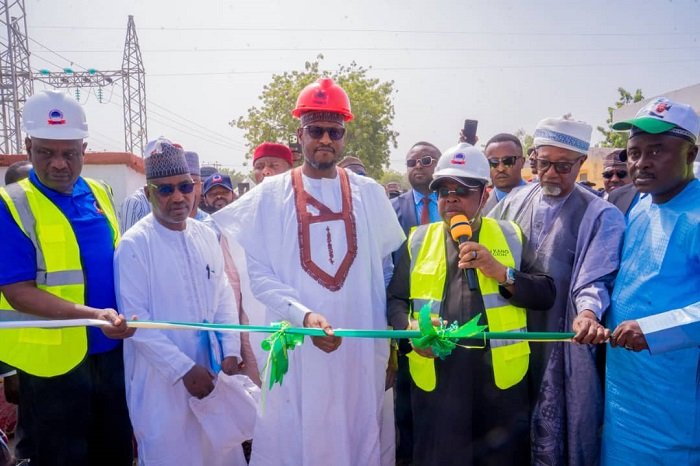
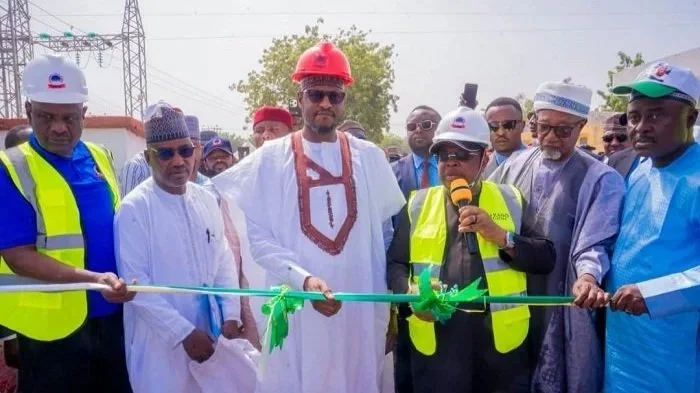
The Kano facilities, located in Walalambe, Kumbotso, Dakata and Dan-Agundi, were commissioned on Wednesday. The two substations in Kankia Local Government Area of Katsina State were commissioned on Friday.
The investments are intended to improve the network’s ability to transmit available electricity to distribution companies for onward delivery to consumers. However, the additional capacity does not automatically translate into an equivalent increase in electricity generation or the amount of power individual households receive.
Six Substations Target Electricity Supply Constraints
The new facilities are designed to strengthen the transmission network serving Kano, Katsina and surrounding communities.
In Katsina, the two substations are equipped with 60MVA, 132/33kV transformers. Their commissioning is expected to increase the network’s capacity to handle electricity demand and improve the delivery of available power to the Kano Electricity Distribution Company for distribution to consumers.
At the commissioning ceremony in Katsina, Minister of Power Joseph Tegbe said dependable electricity infrastructure was essential to economic growth, business expansion and employment.
Katsina State Governor Dikko Umaru Radda also described the investment as an opportunity to improve power supply and support industrial development and public services.
The actual benefits will depend on the availability of electricity from generating plants, the capacity of distribution networks and the ability of distribution companies to deliver power reliably to homes and businesses.
Reliable Electricity Remains Important for Housing Development
Electricity supply is a major consideration for residential and commercial property development in Nigeria. Developers must account for the cost of connecting buildings to the grid, installing backup power systems and maintaining electricity supply where public provision remains unreliable.
Strengthening transmission infrastructure could help improve the availability of grid electricity in areas served by the new substations. If the improvements translate into more reliable supply, property developers and landlords could face less pressure to depend on costly alternative power arrangements.
For residents, more consistent electricity could reduce reliance on generators and other backup systems, although the extent of any savings will depend on actual supply conditions and electricity tariffs.
The projects may also support commercial activity in Kano and Katsina by improving the infrastructure available to businesses, including manufacturers, retailers and service providers. For real estate investors, reliable power can influence the attractiveness of locations for residential estates, commercial premises and industrial developments.
Nevertheless, the commissioning of transmission facilities alone is not sufficient evidence that electricity costs will fall or that property values will rise. Those outcomes depend on how effectively the wider electricity system operates and whether improved supply reaches end users.
Transmission Capacity Must Translate into Better Supply
The six substations represent an expansion of the network’s ability to handle electricity, but transmission capacity is only one part of Nigeria’s power supply chain.
Electricity must first be generated, transmitted through the national network and distributed to customers. Constraints at any stage can limit the benefits of new infrastructure.
The Transmission Company of Nigeria and distribution companies will therefore play important roles in ensuring that the additional capacity improves supply in the areas served by the projects.
The Federal Government has also urged residents to protect the facilities against vandalism and report suspicious activity to the relevant authorities. Damage to transmission infrastructure can disrupt supply and undermine investments intended to improve network performance.
For Kano and Katsina, the key measure of success will be whether the new facilities reduce network constraints and contribute to more dependable electricity for households and businesses.
The commissioning marks progress in transmission infrastructure, but the wider economic and housing benefits will depend on how much of that additional capacity translates into reliable power at the point of consumption.
READ MORE