The European Investment Bank’s Boost Africa initiative provides venture capital and technical support to businesses across Africa
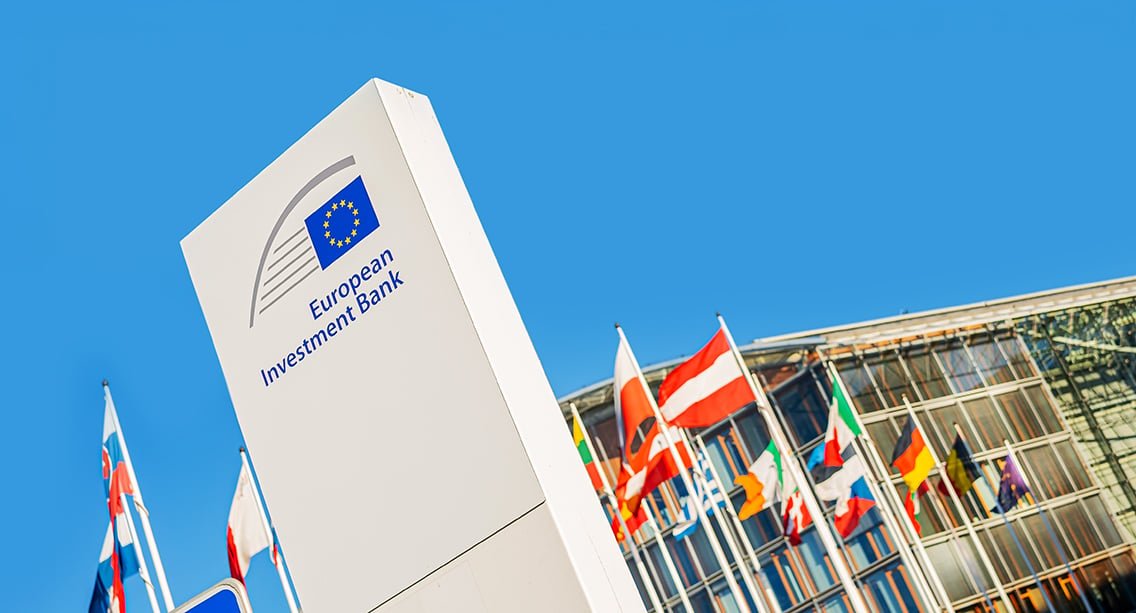
The European Investment Bank’s (EIB) Boost Africa initiative has secured more than €100 million in investment commitments to venture-capital funds supporting businesses across Africa, as Nigerian officials and development partners prepare to discuss ways to expand access to private financing.
/ You Might Also Like /




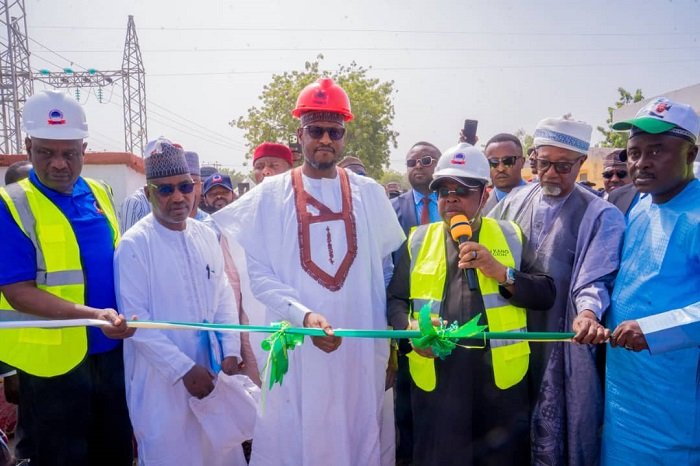
The initiative will feature at an Investment Partnership Lab organised by the Federal Ministry of Budget and Economic Planning in collaboration with the Boost Africa project team on Monday, 26 October, on the sidelines of the 32nd Nigerian Economic Summit in Abuja.
The meeting is expected to bring together government officials, development finance institutions, investors and private-sector representatives to examine how investment capital, grants, technical assistance and partnerships can support entrepreneurship, infrastructure development and productive sectors.
Boost Africa is a joint initiative of the EIB and the African Development Bank, supported by the European Union. It provides financing through venture-capital funds and technical assistance to innovative African businesses, particularly those led by young people and women.
The programme targets sectors including technology, agribusiness, financial services and renewable energy, where early-stage businesses often struggle to secure conventional financing.
Funding Model Targets Businesses Struggling to Access Capital
Boost Africa operates through investment funds and other financial intermediaries rather than providing all its funding directly to individual businesses.
The model is designed to support early-stage and growing companies that may struggle to attract conventional bank lending because they lack sufficient collateral, established cash flow or a long operating history.
Alongside capital, the programme provides technical assistance to help businesses strengthen management, financial reporting, market development, risk assessment and other capabilities required to grow and attract further investment.
The initiative's wider ambition is to mobilise approximately €1 billion in investment across Africa. However, this is a programme-level target, not an indication that €1 billion has already been invested in Nigeria.
The distinction matters when assessing the initiative's potential economic impact. Investment commitments to venture-capital funds do not automatically translate into equivalent funding for Nigerian companies, as the eventual allocation depends on fund investment decisions, eligibility requirements and the availability of suitable businesses.
Nigeria Seeks More Private Investment in Productive Sectors
The Abuja Investment Partnership Lab will also examine opportunities to mobilise capital for productive industries, transport and trade infrastructure, and other projects intended to support economic activity.
Participants are expected to discuss project preparation, commercial viability, regulatory requirements and financing structures that could help attract investors to viable projects.
The discussions form part of wider efforts to increase private-sector participation in economic development and support the objectives of Nigeria’s successor National Development Plan for 2026–2030.
For Nigerian businesses, access to growth capital can help fund expansion, develop new products and improve operating capacity. However, the availability of financing will depend on whether companies can meet investors’ requirements and demonstrate credible commercial prospects.
The same principle applies to infrastructure investment: identifying potential projects is only an initial step. Funding must be secured, projects must meet technical and commercial requirements, and implementation must deliver results.
Implications for Infrastructure and the Property Sector
Although Boost Africa primarily targets innovative businesses rather than housing projects, its focus on investment mobilisation has a broader connection to Nigeria’s development finance environment.
Access to capital for businesses in technology, renewable energy and financial services can support services that are relevant to housing delivery and property operations. For example, energy-related businesses may develop solutions that improve power management, while financial technology firms can help expand access to financial services.
The planned investment discussions also include transport and trade infrastructure, areas that can influence construction logistics, regional connectivity and the commercial attractiveness of locations.
However, the reported commitments should not be interpreted as funding earmarked for Nigerian housing, real estate development or mortgage lending. No specific allocation to those sectors was announced in the information reviewed.
For NHM readers, the important question is whether broader investment initiatives eventually translate into accessible financing for local businesses and bankable infrastructure projects that improve economic activity.
Investment Outcomes Will Depend on Execution
The Investment Partnership Lab provides a platform for government, development finance institutions and private investors to discuss opportunities for financing businesses and infrastructure.
The programme’s wider significance will depend on its ability to convert investment commitments into capital deployed to eligible companies, stronger business performance and measurable economic outcomes.
For Nigeria, attracting development finance is only one part of the challenge. Clear regulations, credible projects, capable businesses and transparent implementation will be important in ensuring that investment commitments generate lasting economic value.
READ MORE