Housing Delivery, Slum Upgrading Critical to Achieving SDG 11, UN Report Warns
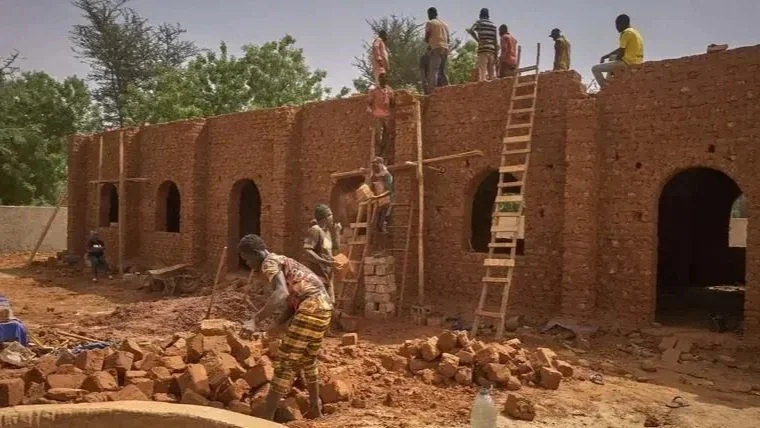
Housing and Slum Upgrading Identified as Priorities for Achieving SDG 11
The world remains off track to achieve Sustainable Development Goal (SDG) 11 on sustainable cities and communities, with inadequate housing and the continued growth of informal settlements posing major barriers to progress, according to the SDG 11 Global Report 2026 launched by UN-Habitat. The report identifies the delivery of adequate housing and the transformation of slums as central priorities for creating inclusive, safe, resilient and sustainable cities before the 2030 deadline.
/ You Might Also Like /




Released during the High-level Political Forum on Sustainable Development in New York, the report concludes that while some progress has been made over the past decade, improvements have not been fast enough or equitable enough to meet the ambitions of SDG 11. The findings highlight growing concerns over housing affordability, rapid urbanisation and the expansion of informal settlements, particularly in developing economies.
Housing Remains at the Centre of Sustainable Urban Development
According to UN-Habitat, access to adequate, safe and affordable housing is fundamental to achieving sustainable urban development. The report notes that housing is closely linked to other development priorities, including public health, education, economic productivity, climate resilience and social inclusion.
The organisation emphasised that expanding housing supply must be accompanied by improved access to essential services such as water, sanitation, public transport and other basic infrastructure to create liveable communities.
Slum Upgrading Requires Greater Investment
The report identifies the upgrading of slums and informal settlements as one of the most urgent actions required to advance SDG 11. Rather than focusing solely on expanding housing stock, governments are encouraged to invest in improving existing communities through better infrastructure, secure land tenure and access to public services.
UN-Habitat argues that transforming informal settlements can improve living standards while supporting broader economic development and reducing urban inequality. The report also stresses that policies should prioritise vulnerable populations who remain disproportionately affected by inadequate housing conditions.
Urbanisation Continues to Outpace Housing Delivery
Rapid population growth in cities continues to place significant pressure on housing markets worldwide. According to the report, many countries have struggled to provide sufficient affordable housing to match urban expansion, resulting in rising housing deficits and the continued growth of informal settlements.
The United Nations warns that without accelerated investment in housing and urban infrastructure, cities will face increasing challenges related to overcrowding, environmental degradation and unequal access to opportunities.
Stronger Urban Planning Needed
Beyond housing delivery, the report highlights the importance of integrated urban planning in building resilient cities. It calls for governments to strengthen land-use planning, expand sustainable transport systems, improve disaster resilience and protect public spaces while ensuring that urban growth remains inclusive.
UN-Habitat notes that coordinated planning can help cities accommodate growing populations more efficiently while supporting economic development and environmental sustainability.
Implications for Nigeria and Other Developing Economies
The report's findings carry particular significance for rapidly urbanising countries such as Nigeria, where rising population growth and housing shortages continue to place pressure on cities. Accelerating affordable housing delivery, upgrading informal settlements and improving access to infrastructure are likely to remain central policy priorities for governments seeking to achieve SDG 11.
For investors, developers and policymakers, the report reinforces the need for long-term investment in housing, urban infrastructure and sustainable city planning as essential components of economic development.
Conclusion
The SDG 11 Global Report 2026 underscores that the world has limited time to achieve the goal of inclusive, safe, resilient and sustainable cities by 2030. According to UN-Habitat, accelerating housing delivery, upgrading informal settlements and strengthening urban planning will be critical to closing the gap. The report concludes that while progress remains possible, governments must significantly increase the pace and scale of action to ensure that sustainable urban development becomes a reality within the remaining years of the 2030 Agenda.
READ MORE