Government Credit Falls to ₦32.7tn as Private-Sector Lending Reaches ₦84.55tn
Government credit falls as private lending rises
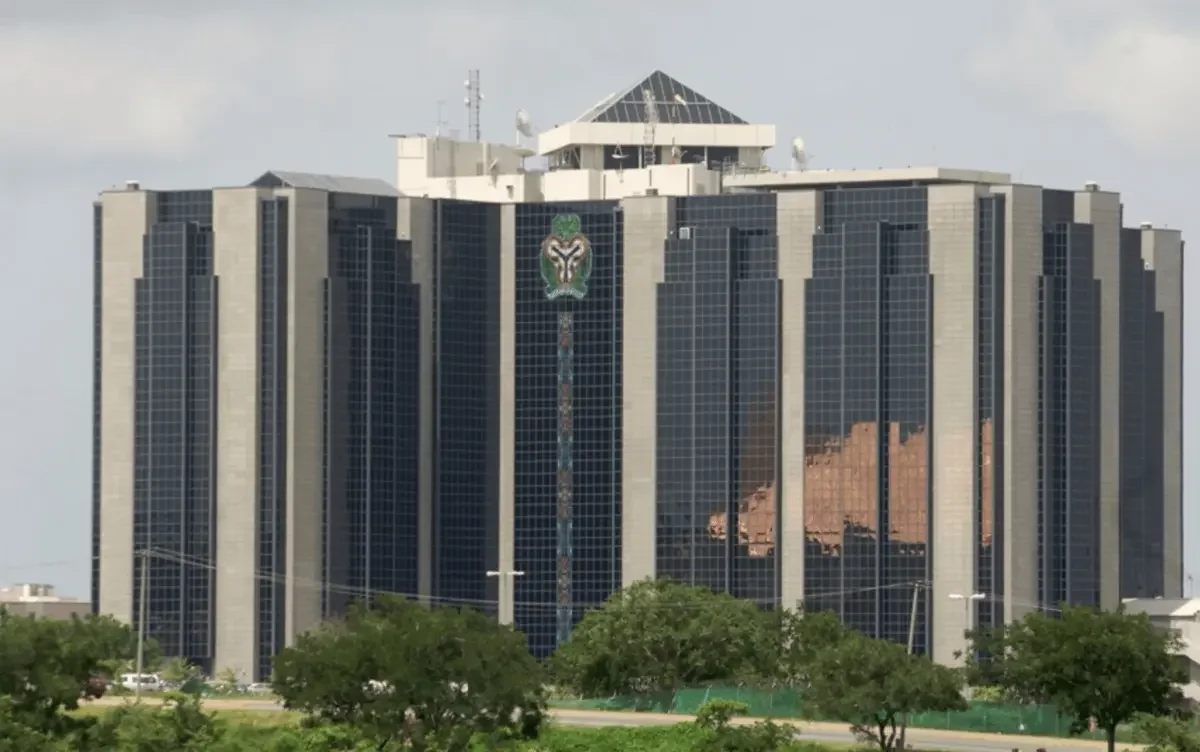
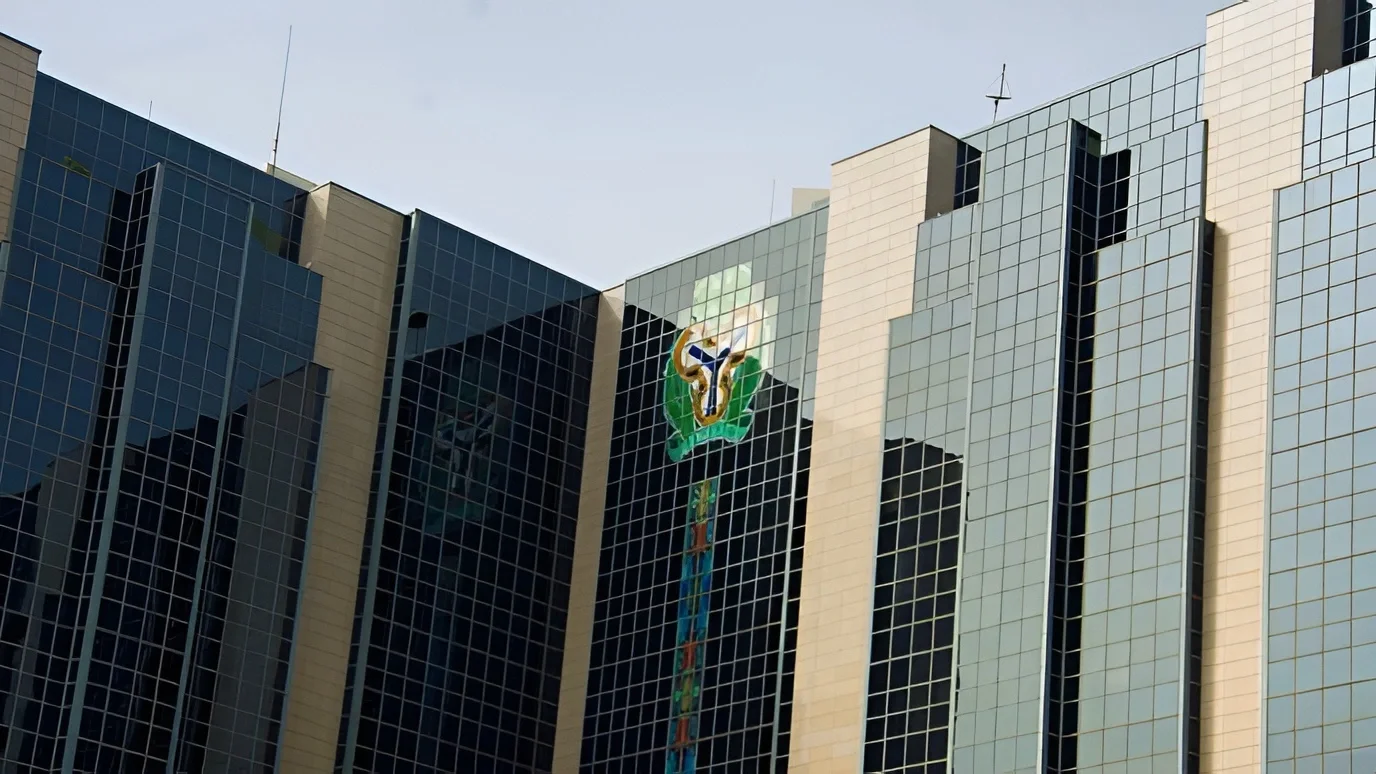
Credit to the Nigerian government fell to ₦32.70 trillion in August 2026, extending its decline for a third consecutive month, while credit to the private sector rose to ₦84.55 trillion, according to the latest Central Bank of Nigeria (CBN) data
/ You Might Also Like /




The figures show a changing composition of domestic credit, with government credit declining from ₦40.03 trillion in June to ₦33.92 trillion in July and ₦32.70 trillion in August. Over the same period, private-sector credit continued to rise, reaching ₦84.55 trillion in August from ₦83.43 trillion in July.
The latest movement provides a fresh picture of credit allocation in the economy, following earlier increases in government credit during the year.
Government Credit Falls for Third Consecutive Month
CBN data show that credit to government declined by ₦1.22 trillion, or 3.60 percent, between July and August.
The latest fall followed a larger reduction between June and July, when government credit dropped from ₦40.03 trillion to ₦33.92 trillion.
From the ₦40.38 trillion recorded in May, government credit had fallen by approximately ₦7.68 trillion by August.
Despite the recent monthly declines, the August figure remained significantly above the ₦22.95 trillion recorded in August 2025, representing an increase of about 42.47 percent year on year.
The CBN data do not establish the specific factors behind the latest monthly decline. Changes in government borrowing, repayments and other movements within the banking system can affect the credit-to-government figure.
The decline should therefore be viewed as a change in the latest credit position rather than evidence on its own of a sustained reduction in the government's overall financing requirements.
Private-Sector Credit Continues to Rise
While government credit declined, lending to the private sector increased for the third consecutive month.
Private-sector credit rose from ₦83.43 trillion in July to ₦84.55 trillion in August, representing an increase of ₦1.13 trillion, or 1.35 percent.
Compared with the ₦75.88 trillion recorded in August 2025, private-sector credit was approximately ₦8.67 trillion higher, representing year-on-year growth of about 11.4 percent.
The increase extends a recovery that began in May, when private-sector credit stood at ₦81.04 trillion. It rose to ₦83.26 trillion in June, ₦83.43 trillion in July and ₦84.55 trillion in August.
However, the latest figure remains below the ₦94.61 trillion recorded in February 2026. This means that while private-sector credit has increased for three consecutive months, it has not yet returned to its earlier peak.
Credit Composition Is Changing
The contrasting movements in government and private-sector credit have widened the gap between the two categories.
By August, credit to the private sector stood at ₦84.55 trillion, compared with ₦32.70 trillion for government.
The difference was approximately ₦51.85 trillion.
The development is significant because the destination of bank credit can influence investment activity across different parts of the economy.
Government credit can support public expenditure and infrastructure, while private-sector lending provides financing for businesses, working capital, capital expenditure and expansion.
However, the aggregate figures do not show which businesses or industries received the additional private-sector financing in August.
Sectoral Distribution Remains Important
The increase in total private-sector credit does not necessarily mean that financing conditions improved equally across all sectors.
Nairametrics reported that the latest CBN database does not provide a sector-by-sector breakdown for August. As a result, the available data cannot establish how much of the increase went to manufacturing, construction, real estate, agriculture, trade or other areas of the economy.
Earlier CBN figures showed differences across sectors.
Real estate credit, for example, increased from ₦4.67 trillion in January 2026 to ₦6.29 trillion by March, according to an analysis of CBN data reported by Nairametrics.
The movement demonstrates why the composition of private-sector credit is important for investors and businesses. An increase in aggregate lending becomes more significant for economic activity when a greater proportion reaches productive sectors that require long-term capital.
Implications for Real Estate Financing
The latest credit figures have implications for Nigeria's property market because developers depend heavily on financing for land acquisition, construction, infrastructure and project completion.
An increase in private-sector lending could potentially improve the availability of capital for businesses, including property developers. However, the August data do not provide enough information to establish whether real estate accounted for a significant share of the increase.
The cost of borrowing also remains critical.
The CBN retained its Monetary Policy Rate at 26.50 percent at its July 2026 Monetary Policy Committee meeting. High monetary-policy rates can translate into higher borrowing costs for businesses and households, depending on how banks price loans.
For property developers, higher financing costs can increase project expenses and affect the viability of developments, particularly projects that require substantial upfront capital and have long completion periods.
For homebuyers, expensive mortgage finance can also limit purchasing capacity even when banks increase overall lending.
What the Shift Means for Businesses
The latest figures provide businesses with a different credit environment from the one reflected in earlier CBN data.
Private-sector credit has increased for three consecutive months, while government credit has declined over the same period.
However, the sustainability of the trend will depend on several factors, including interest rates, banks' willingness to lend, demand for credit and the ability of businesses to service new borrowing.
The increase in private-sector credit should therefore not be interpreted simply as evidence that financing has become easier or cheaper for businesses.
The terms on which credit is available remain important, particularly for companies seeking long-term funding for investment and expansion.
Implications for Property Investors and Developers
For Nigeria's property sector, the next stage will be to determine whether the increase in private-sector credit translates into greater financing for construction, real estate development and mortgages.
Developers require financing that matches the long development cycle of property projects. Short-term or expensive loans can create cash-flow pressures even when credit is available.
Investors will therefore need to monitor subsequent CBN data for evidence of increased lending to real estate and construction.
Mortgage lending will also be important. If financial institutions increase the amount of funding available to homebuyers, the improvement could support housing demand. However, affordability will depend on interest rates, repayment periods, income levels and property prices.
Government Credit Remains Above 2025 Level
Despite the three consecutive monthly declines, government credit remains considerably higher than it was a year earlier.
The ₦32.70 trillion recorded in August compares with ₦22.95 trillion in August 2025.
This means that the recent decline represents a reduction from the higher levels recorded earlier in 2026 rather than a return to last year's credit position.
The distinction is important when assessing the broader direction of government financing.
A monthly decline in credit to government does not necessarily mean that government borrowing requirements have fallen by the same amount, particularly because different measures of government financing capture different transactions and stages of the borrowing process.
Outlook
The latest CBN figures point to a shift in the composition of domestic credit, with credit to government falling for a third consecutive month while private-sector credit continues to increase.
The development provides a new indicator for investors, businesses and policymakers monitoring the flow of finance through Nigeria's banking system.
For the housing and real estate market, however, the headline increase in private-sector credit will need to be followed by evidence of greater lending to developers, construction companies and mortgage borrowers.
The coming months will show whether the recent increase in private-sector credit develops into a sustained trend and whether a larger share of bank financing reaches sectors capable of supporting investment, housing delivery and broader economic activity.
READ MORE