FG Rules Out Immediate Electricity Tariff Hike as ₦1.23tn Raised for Power Debt
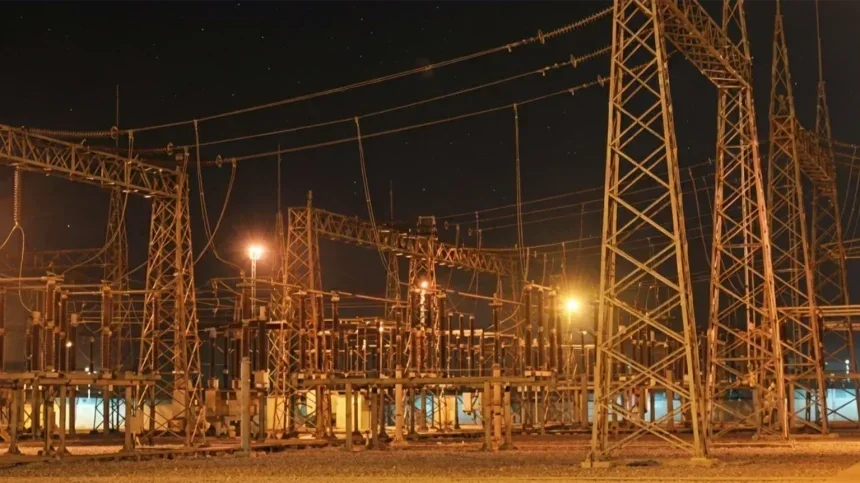
FG raises ₦1.23tn for power debt
The Federal Government has ruled out an immediate increase in electricity tariffs after raising ₦1.23 trillion to address outstanding obligations in Nigeria’s power sector.
The intervention is aimed at reducing the financial pressure affecting the electricity market while supporting efforts to improve sector stability.
/ You Might Also Like /




The decision to hold off on another tariff increase could provide temporary relief for households and businesses facing elevated operating costs, although the longer-term sustainability of the electricity market will depend on resolving its underlying financial and infrastructure challenges.
Government Raises ₦1.23tn for Power-Sector Debt
The Federal Government has mobilised ₦1.23 trillion towards settling outstanding liabilities in the electricity sector.
The funding addresses part of the debt burden that has accumulated across the power value chain, including obligations associated with electricity generation and supply.
The accumulation of unpaid obligations has remained a major challenge for Nigeria's electricity market because financial pressure on operators can affect their ability to maintain infrastructure, invest in capacity and provide reliable electricity.
By directing additional funding towards the debt burden, the government is seeking to improve the financial position of the sector without immediately transferring additional costs to electricity consumers through another tariff increase.
FG Rules Out Immediate Tariff Increase
The government has said there will be no immediate electricity tariff hike.
The position comes after several adjustments to electricity tariffs in recent years as authorities have sought to improve the financial viability of the power market while balancing the impact of higher electricity costs on households and businesses.
Keeping tariffs unchanged in the immediate term could help businesses plan their operating costs more effectively, particularly manufacturers, construction companies and other energy-intensive users.
However, the absence of an immediate increase does not remove the structural financial pressures facing the electricity sector.
Power-Sector Debt Remains a Major Challenge
Nigeria's electricity market continues to face financial challenges linked to the gap between the cost of supplying electricity and the revenue collected from consumers.
Where electricity companies are unable to recover the full cost of generation, transmission and distribution, unpaid obligations can accumulate across the value chain.
This can limit the funds available for maintaining existing infrastructure and investing in new capacity.
The ₦1.23 trillion intervention therefore represents an effort to address accumulated liabilities while giving the sector additional room to improve its financial position.
The effectiveness of the intervention will ultimately depend on whether it is accompanied by improvements in revenue collection, electricity supply, distribution efficiency and investment.
Implications for Construction and Building Costs
Electricity costs are an important component of Nigeria's construction and manufacturing economy.
Developers and contractors rely on electricity and alternative power sources for activities ranging from construction-site operations to the production and transportation of building materials.
Manufacturers of cement, steel, tiles, blocks and other construction inputs also face significant energy requirements.
Where electricity supply is unreliable, businesses often depend on diesel and other alternative energy sources, increasing production and operating costs.
A more financially stable electricity market could therefore have indirect benefits for the construction industry if it eventually results in more reliable grid supply and reduced dependence on expensive backup generation.
Real Estate Developers Face a Wider Cost Challenge
For the property sector, electricity represents both a construction cost and an ongoing operating expense.
Developers must account for energy requirements during construction, while completed residential and commercial properties require reliable electricity for lighting, cooling, security systems, water pumping and other services.
In large residential estates and commercial developments, energy costs can also affect service charges and the affordability of occupying a property.
The government's decision to avoid an immediate tariff increase could therefore provide short-term cost stability for developers, landlords, businesses and households.
However, the longer-term benefit will depend on whether the power-sector intervention produces improvements in electricity reliability rather than simply postponing further financial adjustments.
Housing Affordability Could Also Be Affected
Electricity costs increasingly form part of the broader affordability equation in Nigeria's housing market.
For households, the cost of powering homes can influence the total monthly cost of occupying a property. For developers, higher energy costs can increase construction expenses and the cost of operating estates and common facilities.
A stable electricity tariff, therefore, could help limit another source of cost pressure in an already challenging housing market.
However, electricity is only one component of the affordability problem. Land prices, building materials, financing costs, infrastructure charges and mortgage rates continue to influence the final cost of housing.
Debt Settlement Must Be Matched With Infrastructure Investment
Addressing power-sector debt is important, but resolving outstanding financial obligations alone cannot solve Nigeria's electricity challenges.
The sector also requires sustained investment in generation capacity, transmission infrastructure and distribution networks.
Improved infrastructure is particularly important for economic activities that depend on reliable electricity, including manufacturing, construction, logistics and digital infrastructure.
For the real estate sector, better electricity supply could also influence where developers choose to build and how much they spend on independent power systems.
Areas with more reliable grid electricity may become more attractive for residential, commercial and industrial development if the improvement is sustained.
Implications for Property Investors
For property investors, the government's latest intervention provides an additional development to monitor within Nigeria's wider infrastructure environment.
Reliable electricity can improve the operational performance of commercial properties, industrial facilities and residential developments, while reducing the need for costly alternative power systems.
For developers planning new projects, the availability and cost of electricity remain important considerations alongside land, financing, transportation and construction costs.
The effect of the ₦1.23 trillion intervention will therefore be judged not only by the amount of debt settled but also by whether it contributes to a more stable and investable power market.
Outlook
The Federal Government's decision to rule out an immediate electricity tariff increase while committing ₦1.23 trillion towards power-sector debt represents an attempt to balance consumer cost pressures with the financial requirements of the electricity market.
For households and businesses, the decision provides short-term certainty on electricity tariffs. For the construction and property sectors, it could help contain another potential source of cost escalation.
The larger issue remains whether the intervention can support broader improvements in the financial and operational performance of Nigeria's electricity market.
For NHM's housing and real estate audience, the key indicator will be whether improved power-sector financing eventually translates into more reliable electricity, lower dependence on alternative energy sources and reduced operating pressures for developers, manufacturers and property owners.
READ MORE