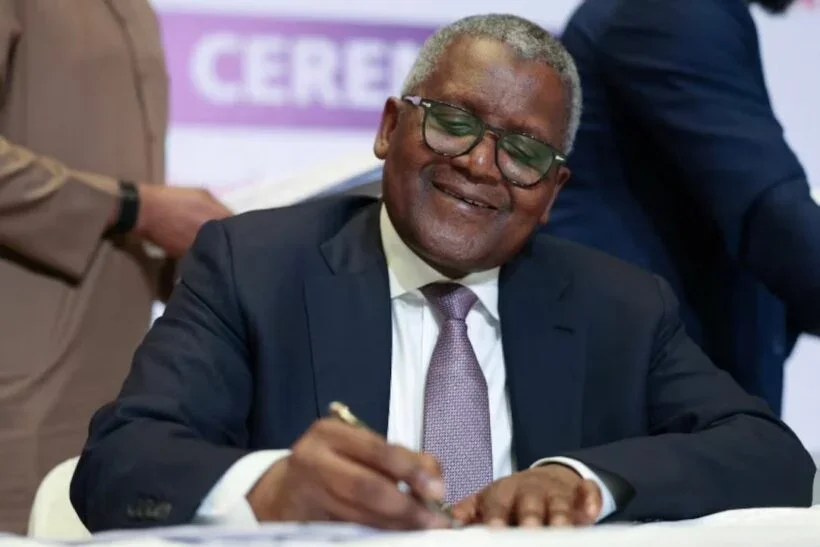
Dangote Targets Over $10bn Power Investment as Steel Business Faces Cancellation
Dangote targets over $10bn power investment
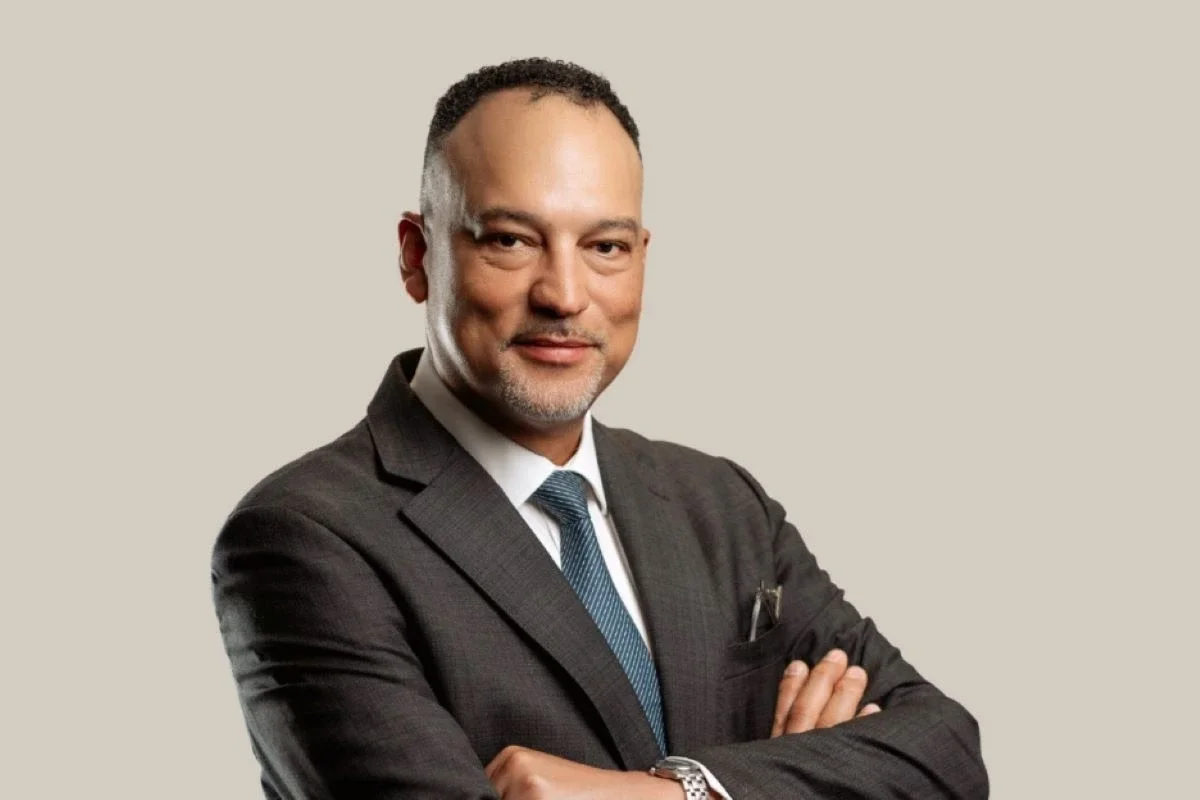
Aliko Dangote has disclosed plans by Dangote Industries to invest more than $10bn in power, while the group is considering cancelling one or two planned businesses, including steel, and redirecting the capital towards electricity infrastructure. The disclosure highlights the growing importance of private investment in addressing Africa’s persistent power deficit and supporting industrial expansion.
/ You Might Also Like /




Dangote made the disclosure during an interview with Al Jazeera on Monday, saying the group expects significant economic transformation across Africa over the next three to four years. However, he did not disclose the countries, projects, investment structure or specific timeline for deploying the more than $10bn earmarked for power.
Dangote considers shifting capital from steel to power
Dangote said the group is reviewing some of its planned businesses and could cancel one or two ventures to free up capital for power investment.
The businessman specifically mentioned steel as one of the businesses that could be cancelled.
The decision would represent a significant shift in capital allocation within the conglomerate, moving resources towards electricity infrastructure rather than expanding into another industrial segment.
“We want to invest over 10 billion dollars alone in power,” Dangote said during the interview.
He also said the group could redirect funds from businesses it decides not to pursue into power.
Dangote did not provide further details on whether the proposed investment would focus on electricity generation, transmission, distribution, off-grid systems or a combination of different power infrastructure.
Electricity access remains a major African infrastructure gap
The proposed investment comes against the backdrop of a significant electricity access deficit across Africa.
The International Energy Agency (IEA) estimates that almost 600 million people in Africa still lack access to electricity. Its analysis also found that financing remains one of the major constraints to expanding electricity access, with less than $2.5bn per year being directed towards electricity-access investments in sub-Saharan Africa, compared with the much larger investment requirement needed to achieve universal access.
More recent 2026 data from the IEA and World Bank show that the challenge remains substantial. The latest Tracking SDG 7 report puts the number of people without electricity in sub-Saharan Africa at more than 560 million, while the World Bank says nearly 600 million people across the continent still live without electricity.
The scale of the deficit creates a large requirement for investment in generation capacity, transmission networks, distribution infrastructure and decentralised electricity solutions.
For industrial businesses, reliable electricity also has direct implications for operating costs and productivity.
Dangote already has significant power-generation capacity
Dangote's interest in electricity generation is not new.
According to Nairametrics, the Dangote Group generates up to 1,540MW of electricity for its manufacturing subsidiaries, reducing the group's reliance on Nigeria's public electricity grid. The Dangote Refinery also operates its own 435MW power plant.
The group's existing exposure gives it experience in developing and operating power infrastructure to support large industrial facilities.
The proposed expansion would therefore build on an existing business model in which reliable electricity forms part of the infrastructure required to operate large-scale manufacturing and processing assets.
However, Dangote has not yet disclosed whether the new $10bn investment would primarily serve the group's own industrial operations or be directed towards broader commercial electricity markets.
Power investment could support wider industrial development
Dangote linked the proposed investment to his expectation of significant economic transformation across Africa over the next three to four years.
He argued that sustained economic growth requires reliable electricity and said Africa cannot achieve stronger growth without addressing its power deficit.
The IEA similarly identifies electricity access as an important foundation for economic development and estimates that Africa requires a substantial increase in annual investment to expand generation, grid infrastructure and decentralised energy systems.
For industrial investors, the availability and reliability of electricity can influence the location, operating costs and long-term viability of manufacturing facilities.
Additional power infrastructure can also support the development of industrial clusters and commercial centres around areas where electricity supply becomes more reliable.
Implications for housing and real estate development
Although Dangote's announcement centres on the power sector, the investment could have wider implications for property markets if it results in improved electricity supply around industrial and commercial development corridors.
Reliable electricity is a key component of infrastructure for residential communities, commercial buildings, industrial estates and mixed-use developments. Where power supply improves, developers may face lower dependence on individual backup generation, while businesses operating within commercial and industrial properties can potentially reduce energy-related operating pressures.
The World Bank identifies electricity as an important factor in supporting productivity, job creation, digital connectivity, agriculture and industrial activity. Its Mission 300 initiative aims to connect 300 million people in Africa to electricity by 2030 through a combination of grid expansion and distributed renewable-energy systems.
For Nigeria's property sector, the relationship between power infrastructure and development is particularly relevant. Housing and commercial projects require dependable electricity not only to attract occupants but also to support construction, estate management and the operation of businesses within new developments.
However, the eventual property-market impact of Dangote's proposal will depend on the scale, location and structure of the investment. The group has not yet announced specific projects or deployment locations for the proposed $10bn.
Nigeria's power market is opening to more private investment
Dangote's proposed investment also comes as Nigeria continues to reform its electricity market and encourage greater private-sector participation.
The Federal Government said in March 2026 that power-sector reforms had attracted more than $2bn in investment, while changes under the Electricity Act have expanded the role of state electricity markets and regulators.
The Bureau of Public Enterprises reported in August that 17 states had established their own electricity regulatory commissions since April 2024. It also highlighted progress under the $500m World Bank-financed Distribution Sector Recovery Programme, including the installation of electricity meters.
These developments create a changing investment environment in which private companies can participate more directly in electricity generation and distribution.
The Federal Ministry of Power has also said the government plans additional investment to strengthen the national grid and address recurring grid instability.
Steel cancellation could reshape Dangote's capital allocation
The potential cancellation of the steel business is significant because steel production would have complemented Dangote's broader industrial strategy and Nigeria's efforts to deepen domestic manufacturing.
However, Dangote's comments indicate that the group is weighing the opportunity cost of committing capital to different sectors.
Redirecting funds towards power would place electricity infrastructure at the centre of the group's next phase of industrial investment.
The decision could also reflect the strategic importance of solving infrastructure constraints that affect several other sectors of the economy, rather than expanding into additional manufacturing activities.
At this stage, however, Dangote has not provided details on the status of the steel project or confirmed that it has been cancelled. His comments indicate that cancellation is under consideration.
What investors will be watching
The immediate investment question is how Dangote Industries ultimately structures and deploys the proposed capital.
Key issues will include the countries targeted, the type of power infrastructure involved, the financing structure, the expected generation capacity and whether the projects will supply Dangote's own businesses or third-party customers.
The investment's impact on property and industrial development will also depend heavily on location.
Power projects that improve electricity supply around manufacturing clusters, logistics corridors and growing urban areas could support additional commercial and residential development. Conversely, investments focused primarily on captive industrial generation may have a more limited direct effect on surrounding property markets.
Outlook
Dangote's plan to invest more than $10bn in power marks a potentially significant shift in the group's capital allocation, particularly if the funds come partly from businesses such as steel that the conglomerate decides not to pursue.
The proposal also comes at a time when Africa faces a substantial electricity-access deficit and governments are seeking greater private-sector participation to finance new energy infrastructure.
For Nigeria's housing, industrial and commercial property markets, the broader significance lies in the potential relationship between dependable electricity and the viability of new development. Until Dangote provides details on the projects, locations and investment structure, the direct impact on property markets remains dependent on how the proposed power expansion is ultimately implemented.
READ MORE