Fuel Hike Drives Surge in Food Prices, Nigerians Demand Urgent Government Action
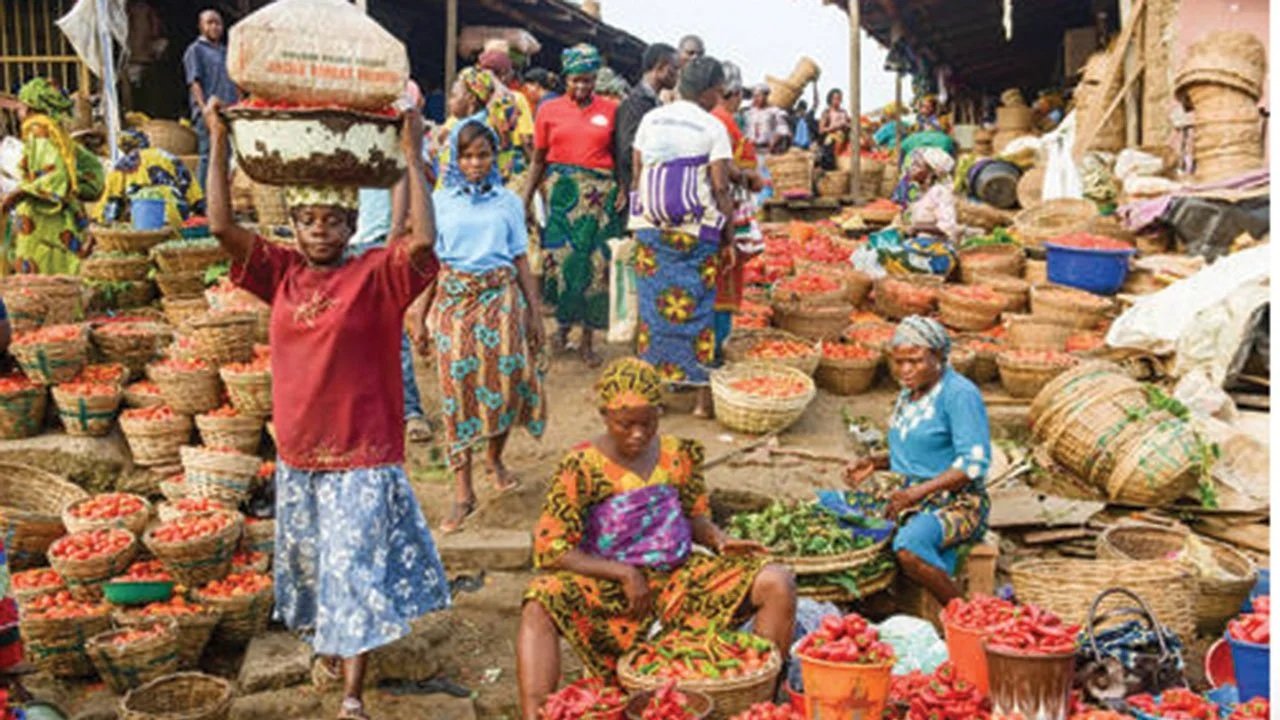
Food Prices Triple in Some Markets as Fuel Hike Hits Consumers
Rising petrol prices in Nigeria are driving sharp increases in food and service costs across major markets, with citizens calling for urgent Federal Government intervention. A recent survey by the News Agency of Nigeria in Abuja shows that the fuel price hike linked to global oil market disruptions has significantly raised the cost of living for households and businesses.
Fuel Price Shock Transmits to Food Markets
The survey found that higher fuel costs, particularly for transportation and energy, are directly pushing up food prices across the Federal Capital Territory and surrounding areas.
/ You Might Also Like /




At key markets, price increases have been substantial:
Tomatoes rose from ₦9,000–₦10,000 to ₦30,000–₦35,000 per basket
Onions increased from ₦15,000–₦25,000 to ₦40,000–₦45,000
Sweet potatoes doubled from about ₦1,000 to as high as ₦2,500
Yam prices climbed from roughly ₦6,000 to up to ₦10,000
These increases reflect the central role of transportation in Nigeria’s food supply chain, where higher fuel costs translate quickly into higher retail prices.
Broad Impact Across Goods and Services
The impact extends beyond food to essential goods and services. Producers and small businesses report rising operating costs due to increased fuel and diesel usage, especially in the face of unreliable electricity supply.
For example:
Sachet water prices rose from ₦300–₦350 to ₦450–₦500 per bag
Ice block prices increased from ₦500 to as high as ₦800
Basic services such as haircuts more than doubled in some cases
Business operators attribute these increases to higher energy costs required to power generators and sustain operations.
Household Strain and Declining Living Standards
Consumers report a steady decline in purchasing power as wages fail to keep pace with rising costs. Households now spend significantly more on food, transportation, and basic services.
Many respondents described the situation as unsustainable, noting that even essential items such as water and staple foods are becoming less affordable.
The development highlights the broader cost-of-living crisis, where inflationary pressures are eroding real incomes and increasing financial vulnerability.
Supply Chain and Production Pressures
Traders and suppliers also face rising costs. Transport fares for moving goods from production centres to urban markets have reportedly tripled in some cases, particularly for agricultural products transported from regions such as Benue State to Abuja.
In addition, producers relying on diesel-powered operations face shrinking profit margins as input costs rise faster than selling prices.
This combination of higher logistics and production costs is reinforcing upward pressure on consumer prices.
Calls for Government Intervention
Stakeholders across the value chain—including traders, business owners, and consumers—are calling for urgent government action to stabilise prices.
Key demands include:
Measures to reduce fuel costs or stabilise supply
Improved electricity provision to lower production expenses
Policy interventions to ease transportation costs
Labour groups have similarly warned that rising fuel prices are intensifying economic hardship and have called for targeted relief measures, including wage support and social interventions.
Economic Implications
The current trend underscores the strong link between energy costs and inflation in Nigeria. Fuel price increases have a multiplier effect, influencing transportation, production, and ultimately consumer prices.
With food accounting for a significant share of household spending, sustained increases could deepen poverty levels and reduce overall economic activity.
The surge in food and service prices following the fuel hike highlights the vulnerability of Nigeria’s economy to energy cost shocks. As households and businesses absorb rising costs, calls for government intervention are intensifying.
Addressing the situation will require coordinated policy measures focused on stabilising fuel supply, improving energy infrastructure, and mitigating the pass-through effects of global oil market disruptions on domestic prices.
READ MORE