Poor electricity supply and rising temperatures are forcing some Nigerian households to abandon their bedrooms at night
Rising temperatures and unreliable electricity supply are making homes increasingly uncomfortable for residents across Nigeria, forcing some households to sleep outdoors as they struggle to cope with intense heat, water shortages and the rising cost of alternative power.
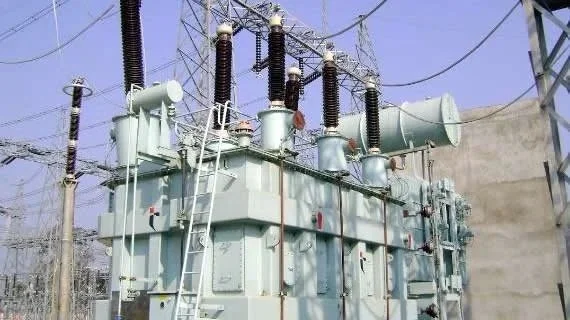
Residents in several states, including Plateau, Benue, Nasarawa, Enugu, Kano, Niger, Edo and Bayelsa, have reported prolonged electricity outages that prevent them from using fans and air conditioners during increasingly hot nights. Some families have resorted to sleeping on verandas, in open compounds and under trees to escape the heat inside their homes.
/ You Might Also Like /




The situation highlights the relationship between electricity access, housing quality and living conditions, particularly in communities where poor ventilation and limited cooling options compound the effects of rising temperatures.
Electricity Shortages Increase Pressure on Households
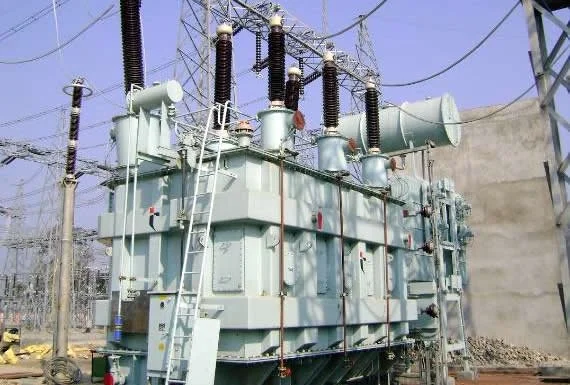
For many households, unreliable electricity has removed one of the most accessible ways to manage indoor heat. Residents say they cannot depend on public power supply to operate fans, while the cost of petrol and diesel makes generators increasingly expensive to run.
Some families have turned to rechargeable fans, while households with greater financial capacity are installing solar systems to reduce their dependence on the national grid.
However, these alternatives come with additional costs. Rechargeable fans can cost between ₦25,000 and ₦60,000, while solar installations require higher upfront investment. This creates a widening gap between households that can afford independent power solutions and those that remain exposed to prolonged outages.
Water shortages have added another challenge, with some residents reporting increased spending on water as they take repeated baths to manage the heat.
Housing Design and Ventilation Add to Heat Exposure
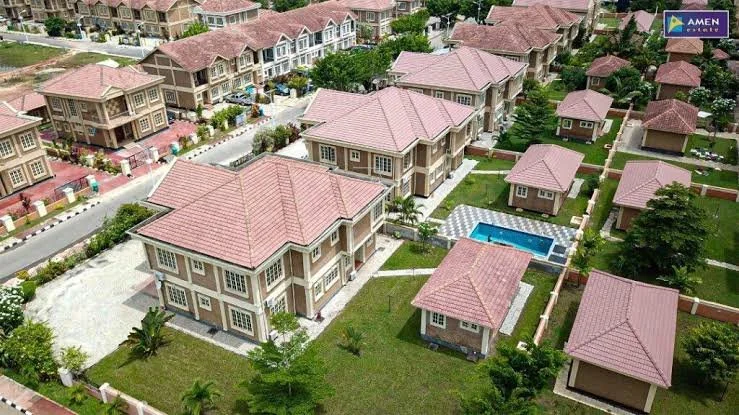
The experience of residents points to a broader challenge in Nigeria's housing sector: the ability of homes to provide comfortable and safe indoor conditions during periods of extreme heat.
Poor ventilation, limited tree cover, dense development and inadequate access to cooling facilities can increase indoor temperatures, particularly in crowded urban neighbourhoods. Homes with insufficient windows, restricted airflow or materials that retain heat may become difficult to occupy during hot nights.
Climate change and rapid urbanisation could intensify these pressures. As cities expand, the loss of vegetation and growth of built-up surfaces can contribute to urban heat-island effects, making some neighbourhoods hotter than surrounding areas.
For Nigeria's housing sector, this raises questions about whether current building practices and urban planning standards adequately account for rising temperatures. Housing quality must extend beyond the availability of shelter to include ventilation, thermal comfort, access to water and reliable energy.
Health Risks Increase as Heat Persists
The combination of high temperatures and limited access to cooling has raised concerns about the health of children, older people, pregnant women and residents with underlying medical conditions.
Prolonged exposure to excessive heat can cause dehydration, heat exhaustion and heatstroke. Warning signs may include heavy sweating, dizziness, headaches, weakness, nausea and confusion. Severe symptoms require urgent medical attention.
The Nigerian Meteorological Agency has warned of hotter conditions as the country moves from the rainy season into the dry season. Separately, the Climate Impact Lab's updated El Niño Heat Mortality Tracker has projected that Nigeria could record approximately 56,000 heat-related deaths between October 2026 and March 2027. This is a projection, not a confirmed death toll, and should be understood as an indication of potential risk.
Public health experts have advised residents to remain hydrated, improve ventilation, reduce exposure to intense sunlight and seek medical attention when symptoms of serious heat-related illness develop.
Implications for Housing Policy and Urban Development
The growing difficulty of keeping homes comfortable during extreme heat strengthens the case for integrating climate resilience into housing delivery and urban development.
Developers, architects and policymakers may need to give greater attention to building orientation, window placement, cross-ventilation, shading, roof design and the use of materials that reduce heat absorption. Urban planning should also protect green spaces and encourage tree planting to limit heat exposure in residential areas.
Reliable electricity remains equally important. While better building design can reduce dependence on mechanical cooling, households still need affordable and dependable energy to operate fans, refrigeration and other essential equipment.
The challenge is particularly significant for low-income households, which often have limited capacity to modify their homes or invest in solar power and other alternatives.
As Nigeria faces hotter conditions, the ability of housing to protect residents from extreme weather will become an increasingly important measure of housing quality. Addressing the problem will require more than emergency advice during heatwaves; it will require improvements in electricity supply, building standards and climate-conscious urban planning
READ MORE