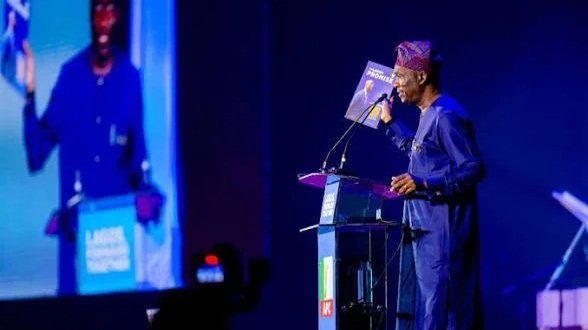
Lagos governorship candidate Obafemi Hamzat
Lagos State Deputy Governor and All Progressives Congress (APC) governorship candidate, Dr Kadri Obafemi Hamzat, has promised to expand access to affordable housing through single-digit mortgage interest rates, a 10 per cent initial deposit and longer repayment periods if elected governor in 2027.
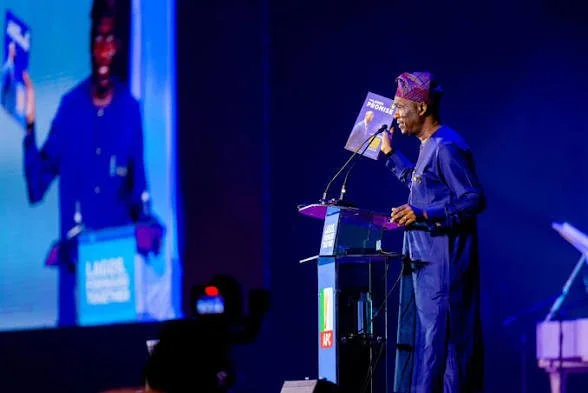
The proposals form part of his 100-point development agenda, titled The Lagos Promise, which he unveiled on 30 October 2026 ahead of the state's next governorship election.
/ You Might Also Like /




Hamzat's housing commitments focus on reducing the financial barriers to homeownership, completing ongoing residential developments and strengthening infrastructure that supports housing and urban expansion.
He also pledged to expand Lagos' rail, road and water transport networks, arguing that better connectivity would improve access to economic opportunities and make movement across the state easier.
The manifesto contains 87 firm commitments and 13 aspirations, covering housing, transportation, healthcare, education, security, environmental management and economic development.
Hamzat Proposes 10% Deposit and Single-Digit Mortgage Rates
A central part of Hamzat's housing proposal is a mortgage arrangement designed to reduce the upfront financial burden on prospective homeowners.
Under the proposed model, buyers would make an initial deposit of 10 per cent, access mortgage financing at single-digit interest rates and repay their loans over longer periods.
The arrangement could make homeownership more accessible to middle- and lower-income earners who struggle to raise large deposits or meet the repayment requirements of conventional mortgage products.
High interest rates, substantial equity contributions and short repayment periods have continued to restrict mortgage access in Nigeria, particularly for households with limited disposable income.
However, Hamzat has not provided detailed information on the proposed mortgage programme's funding structure, participating financial institutions, eligibility requirements or repayment periods.
The effectiveness of the proposal would depend on how the state government intends to mobilise long-term funding, manage lending risks and work with mortgage institutions and private-sector developers.
Affordable Housing Delivery and Ongoing Projects
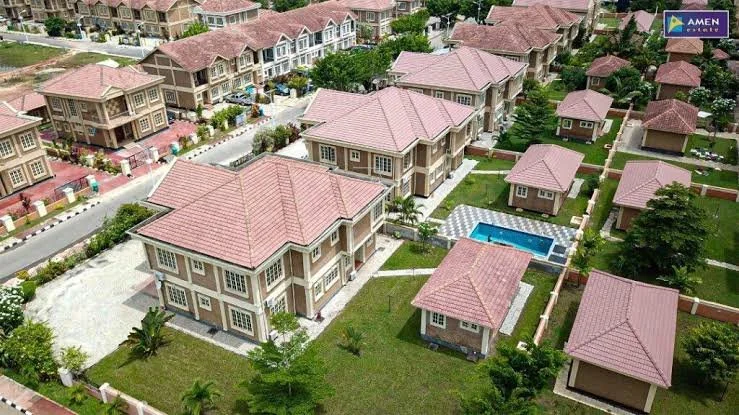
Hamzat also pledged to complete ongoing housing developments across Lagos as part of efforts to increase the supply of residential properties.
The projects identified in his campaign commitments include Egbo Igodo Clusters 2 and 3, Lagos Homes Shongote Do Phase 2, Lagos Homes Ipeche Phases 2 and 3, the workers' village at Ipaja and Beacon Apartments at Ipaja.
He also promised to expand access to affordable homeownership through partnerships with private developers.
The proposed approach would combine government-supported housing delivery with private-sector participation, potentially helping to mobilise additional investment and increase the number of homes available to residents.
For Lagos, where land costs, construction expenses and infrastructure requirements contribute significantly to housing prices, expanding supply will require more than the construction of additional units.
Developers also need access to serviced land, reliable utilities, affordable construction finance and efficient planning approvals to deliver homes at prices that match household incomes.
The proposed partnerships could therefore become an important part of the state's housing strategy if the administration establishes clear financing arrangements and delivery targets.
Rail Expansion and Transport Infrastructure to Support Urban Development
Hamzat's manifesto also places significant emphasis on improving transportation infrastructure, which could influence housing demand and property development across Lagos.
He pledged to extend the Blue Line rail network towards Ojo and establish an interchange connecting the Blue and Red lines at the National Theatre station.
He also promised to advance the proposed Green Line from Marina to the Lekki Free Zone in collaboration with the Federal Government.
On road infrastructure, the candidate pledged to activate the Fourth Mainland Bridge through partnerships, accelerate development of the regional road along the Lake Yembe axis and commence the second phase of the Opebi-Mende Link Bridge.
These projects could improve connectivity between residential communities, commercial centres and emerging development corridors.
For property investors and developers, improved transport links can make locations outside established commercial districts more attractive by reducing commuting times and improving access to employment centres.
However, the impact on the property market would depend on project completion, effective transport integration and the availability of supporting infrastructure around the proposed corridors.
Lagos Plans to Expand Bus and Water Transportation
Beyond rail and roads, Hamzat promised to increase the state's public bus fleet from approximately 1,000 to more than 4,000 vehicles, with a target of transporting one million passengers daily.
He also proposed dredging an additional 140 kilometres of waterways, optimising 15 ferry routes, rehabilitating 27 of the state's 47 ferry terminals and procuring 75 electric ferry boats.
The proposals form part of a wider plan to integrate road, rail and water transportation through coordinated ticketing arrangements and timetables.
Improved public transport could support housing development by making residential locations more accessible and reducing the cost and time associated with daily commuting.
For Lagos' property market, this is particularly relevant to communities experiencing population growth and increasing residential development but lacking sufficient transport infrastructure.
Performance Monitoring and Accountability Commitments
Hamzat also promised to establish an independent performance-monitoring body to assess progress against his campaign commitments.
The proposed arrangement would allow residents to track government performance through published reports comparing campaign promises with actual delivery.
He said the administration would make its commitments measurable and provide explanations where it fails to meet agreed targets.
The manifesto also proposes stronger coordination across government institutions and improved accountability in public service delivery.
For the housing sector, transparent reporting would be important in assessing the progress of promised mortgage programmes, affordable housing developments and supporting infrastructure projects.
Investors and prospective homeowners would need clear information on project timelines, financing arrangements, eligibility conditions and the number of homes actually delivered.
Housing Sector Awaits Details on Implementation
Hamzat's proposed housing and infrastructure agenda addresses several longstanding challenges in Lagos, particularly limited mortgage access, high homeownership costs, inadequate transport connectivity and pressure on residential infrastructure.
The proposed 10 per cent deposit and single-digit mortgage arrangement could improve access to homeownership if supported by sustainable financing and realistic repayment structures.
Similarly, completing ongoing housing projects and expanding private-sector partnerships could increase residential supply, although the affordability of the resulting homes will depend on land, construction and financing costs.
The commitments remain proposals ahead of the 2027 governorship election. Their implementation would depend on Hamzat's election, the availability of public and private financing, legislative and institutional support, and the administration's capacity to execute the projects.
For Lagos' housing market, the key test will be whether the proposed measures translate into more affordable homes, accessible mortgage financing and infrastructure that supports sustainable urban development.
READ MORE