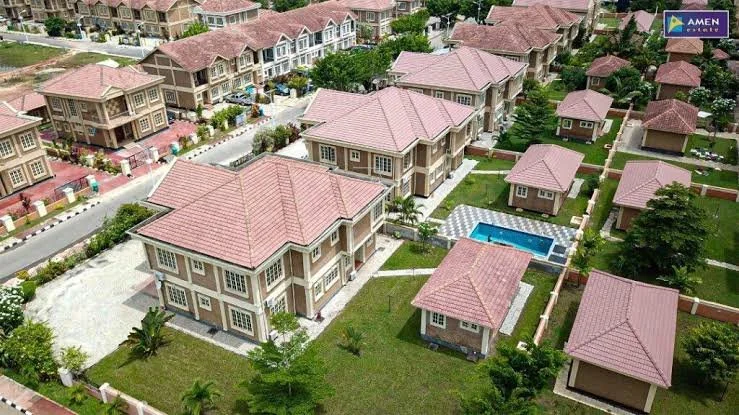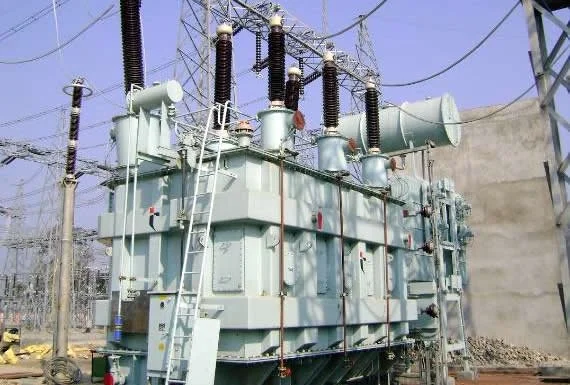
Land documentation, planning approvals, infrastructure and site preparation are among the costs that can undermine property development budgets in Lagos
Property development in Lagos involves several costs that developers often underestimate, from land documentation and planning approvals to infrastructure, environmental assessments and community agreements. These expenses can increase project budgets, delay construction and ultimately affect the price of homes delivered to the market.
/ You Might Also Like /




As demand for housing continues to grow across Lagos, developers face mounting pressure to deliver projects that remain financially viable while meeting regulatory requirements and the needs of different income groups.
However, the financial risks often begin before construction starts. Developers who focus mainly on land acquisition and building expenses may overlook the additional costs required to secure development rights, prepare sites, provide infrastructure and manage properties after completion.
Land Documentation and Title Verification
Securing land is one of the first major expenses in property development, but the purchase price does not represent the full cost of acquiring a development site.
Developers must account for title verification, land registration and the processes required to perfect ownership documentation. These may include excision, Certificates of Occupancy, e-GIS searches and other title-validation procedures.
Failure to conduct proper checks before purchasing land can expose developers to ownership disputes, competing claims and costly legal proceedings.
In areas where land transactions involve families and community interests, developers must also establish clear agreements and understand any outstanding obligations before committing significant funds.
These risks make legal and technical due diligence essential to project viability. A property may appear commercially attractive, but unresolved title issues can delay development, increase costs and undermine the ability to sell completed units.
Planning Approvals and Regulatory Expenses
Planning and regulatory requirements represent another significant part of development expenditure.
Depending on the nature and location of a project, developers may need to budget for submissions through the Electronic Physical Planning Permit System (EPPPS), professional consultancy fees, environmental assessments, drainage studies and traffic impact assessments.
Planning approval is also not the end of the regulatory process. Developers must comply with building-control requirements, inspections and other statutory obligations throughout construction and before occupation.
Failure to account for these requirements can result in penalties, construction delays and additional expenses.
Delays also create indirect financial pressure. As developers wait for documentation or approvals, material prices may rise, financing costs may accumulate and project completion dates may shift.
For investors, these risks highlight the importance of examining a developer's regulatory compliance and approval status before committing capital to a project.
Site Preparation and Infrastructure Can Increase Budgets
The physical condition of a development site can significantly influence construction costs, particularly in areas with weak soil conditions, poor drainage or inadequate infrastructure.
In parts of Ibeju-Lekki, for example, developers may need to undertake substantial sand-filling and ground preparation before construction can begin. They must also consider drainage requirements, setbacks and other planning conditions.
Infrastructure provision creates additional financial obligations. Where government services are inadequate, developers may have to provide access roads, drainage systems, electricity, water supply, sewage facilities and security arrangements.
These expenses can substantially increase the cost of delivering residential estates, particularly in emerging locations where land acquisition may initially appear cheaper.
Consequently, lower land prices do not automatically translate into affordable housing. The cost of making a site suitable for development and occupation can offset much of the initial savings.
Community Agreements and Post-Sale Responsibilities
Community engagement is another cost that developers should address before starting construction.
Unresolved obligations, informal demands and disagreements with host communities can disrupt projects and create additional expenses. Clear agreements and early engagement can reduce the risk of disputes during construction.
Developers must also plan for costs that continue after they complete and sell properties. These include estate management, documentation, buyer disputes and the responsibilities associated with maintaining shared facilities.
Inadequate planning for these obligations can create problems for developers and property owners, particularly in estates where buyers expect reliable infrastructure and management services.
Rising Costs Put Housing Affordability Under Pressure
The accumulation of development expenses has implications for housing affordability across Lagos.
Developers must recover their investments while managing land prices, construction materials, labour, infrastructure and regulatory costs. Inflation can further complicate budgeting, particularly for projects that take several months or years to complete.
Where developers fail to account for these expenses at the beginning, unexpected increases can reduce profit margins or force adjustments to project specifications and selling prices.
However, the relationship between development costs and property prices is not always straightforward. Developers cannot automatically transfer every increase to buyers because market demand, competition and household purchasing power determine what properties can sell for.
Some may respond by reducing apartment sizes, changing finishing specifications, moving to less expensive locations or delivering projects in phases.
These adjustments can help maintain project viability, but they also raise questions about the availability of appropriately sized and affordable homes for Lagos residents.
Better Planning Could Reduce Development Risks
A more comprehensive approach to project appraisal could help developers identify financial and regulatory risks before committing substantial capital.
This requires developers to assess land titles, planning requirements, environmental conditions, infrastructure needs and community obligations during the pre-development stage.
Faster and more predictable approval processes could also reduce the financial burden associated with regulatory delays. Government investment in roads, drainage and other essential infrastructure would further reduce the costs individual developers must carry, particularly in emerging residential locations.
The wider challenge is to ensure that housing development remains commercially viable without excluding the households that need affordable accommodation.
As Lagos continues to expand, accurate project budgeting and better coordination between developers and public authorities will be essential to increasing housing supply, controlling development risks and improving affordability.
READ MORE