Nigeria Targets Blue Economy Growth Through Stronger State-Private Collaboration
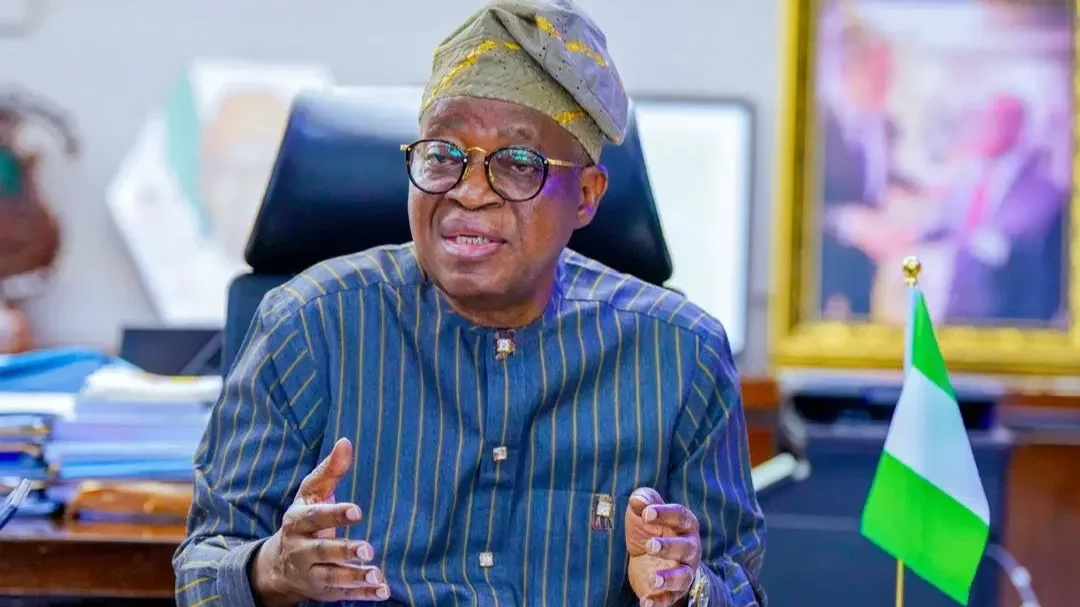
Minister of Marine and Blue Economy, Gboyega Oyetola
The Federal Government has called for closer collaboration between state governments, the private sector and development partners to accelerate the implementation of Nigeria's National Policy on Marine and Blue Economy. Officials say coordinated action across all levels of government is essential to unlocking the country's vast marine resources, attracting investment and creating sustainable jobs.
/ You Might Also Like /




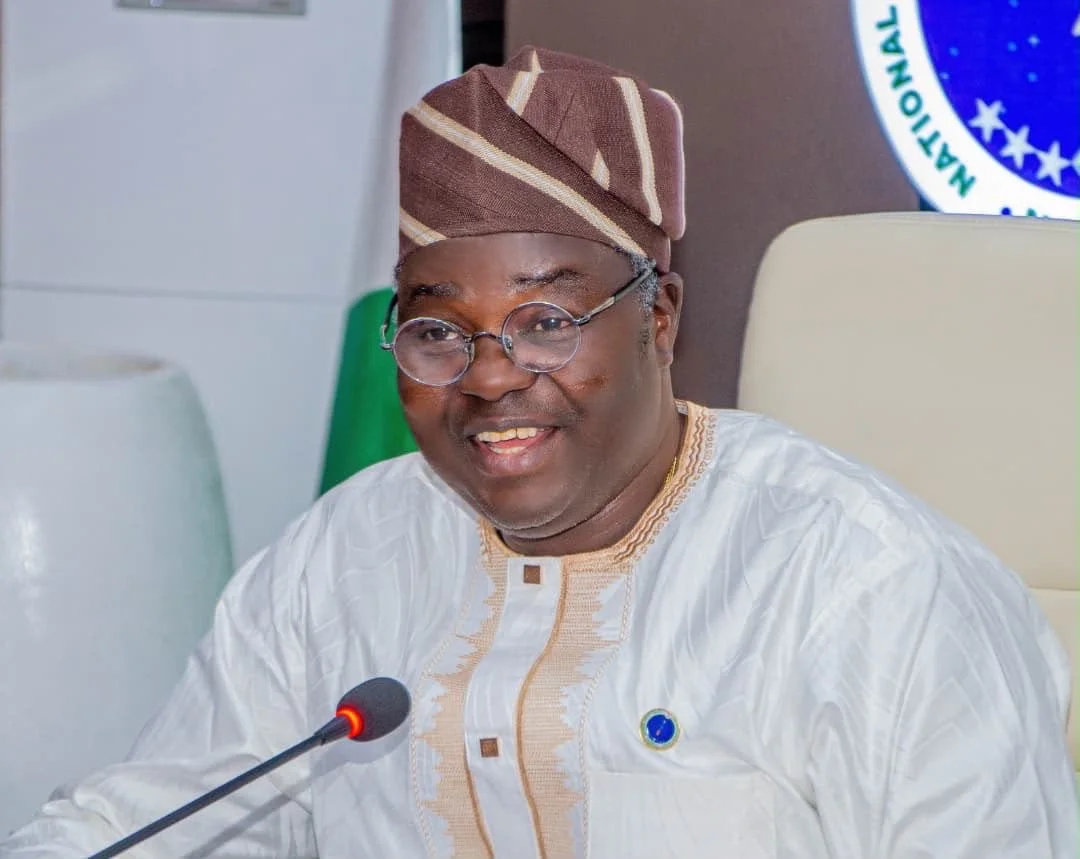
The call was made by the Minister of Marine and Blue Economy, Adegboyega Oyetola, during the Second Quarter 2026 Citizens' and Stakeholders' Engagement of the Federal Ministry of Marine and Blue Economy in Lagos. The event, themed "From Policy to Action: Mobilising Sub-National Governments for Effective Implementation of Nigeria's National Policy on Marine and Blue Economy," brought together government officials, development partners, industry leaders and representatives of state governments.
Oyetola Calls for Action Beyond Policy
Speaking at the engagement, Oyetola said Nigeria has moved beyond policy formulation and must now focus on implementation that delivers measurable economic outcomes.
He explained that while the National Policy on Marine and Blue Economy provides a strategic framework for harnessing Nigeria's oceans, inland waterways, fisheries and coastal resources, its success depends on active participation by state governments, many of which control significant marine and coastal assets.
According to the minister, stronger collaboration will help unlock investment opportunities, create employment, improve food security and promote environmentally sustainable development across coastal and inland communities.
Port Reforms Improving Competitiveness
Oyetola said reforms introduced under President Bola Tinubu's administration have strengthened stakeholder engagement, enhanced maritime safety and improved the competitiveness of Nigeria's ports.
He cited the 2025 Container Port Performance Index published by the World Bank and S&P Global Market Intelligence, which ranked Tin Can Island Port as the 10th most improved port globally and the Lagos Port Complex, Apapa, as the 12th most improved between 2020 and 2025. He added that ongoing port modernisation and planned deep seaports in states including Akwa Ibom, Bayelsa, Cross River, Lagos and Ondo are expected to strengthen Nigeria's position as a regional maritime hub.
Private Sector Investment Seen as Critical
The President of Dangote Industries Limited, Aliko Dangote, represented by Simeon Akin Omole, Managing Director of Dangote Port Operations, said sustained private sector investment will be essential to achieving the objectives of the National Policy on Marine and Blue Economy.
According to him, the policy aims to create three million jobs within its first four years, achieve 7% annual sectoral growth, and reserve at least 50% of new jobs for young Nigerians aged 18 to 35.
Dangote noted that attracting long-term investment will require policy consistency, quality infrastructure, access to finance and a stable investment environment.
Bayelsa Highlights State-Level Initiatives
Bayelsa State Governor Duoye Diri commended the establishment of the Federal Ministry of Marine and Blue Economy, describing it as a strategic step towards diversifying Nigeria's economy.
He noted that Bayelsa established its own Ministry of Marine and Blue Economy in 2024 and has begun implementing initiatives to expand aquaculture, improve marine transportation and advance the proposed Agge Deep Seaport project as part of its broader economic development strategy.
Implications for Infrastructure and Investment
The Federal Government's renewed focus on the blue economy reflects growing recognition of the sector's potential to support economic diversification beyond oil and gas.
Greater investment in ports, inland waterways, fisheries, coastal tourism, shipbuilding and marine logistics could stimulate infrastructure development, strengthen regional trade and create new opportunities for private capital. Improved maritime infrastructure is also expected to enhance connectivity, facilitate cargo movement and support industrial development in coastal states.
For investors and policymakers, successful implementation of the National Policy on Marine and Blue Economy could unlock significant opportunities across transport, logistics, manufacturing, renewable energy and waterfront development.
Looking Ahead
The Federal Government says translating the National Policy on Marine and Blue Economy into measurable economic outcomes will require sustained collaboration among federal and state governments, private investors and development partners.
As implementation gains momentum, policymakers will be expected to prioritise infrastructure investment, regulatory reforms and public-private partnerships capable of positioning Nigeria as a leading maritime economy in West Africa while creating jobs and supporting long-term economic growth.
READ MORE