Expanding Affordable Housing Access: How FMBN and FGSHLB Are Supporting Nigerian Workers

Public Sector Housing Scheme Expands Homeownership Opportunities for Nigerians.
Nigeria’s housing finance sector is receiving renewed attention as the Federal Mortgage Bank of Nigeria (FMBN) and the Federal Government Staff Housing Loans Board (FGSHLB) intensify efforts to improve access to affordable housing for public sector workers. The collaboration between both institutions reflects broader attempts to address Nigeria’s widening housing deficit through flexible financing mechanisms and targeted homeownership support programmes.
/ You Might Also Like /


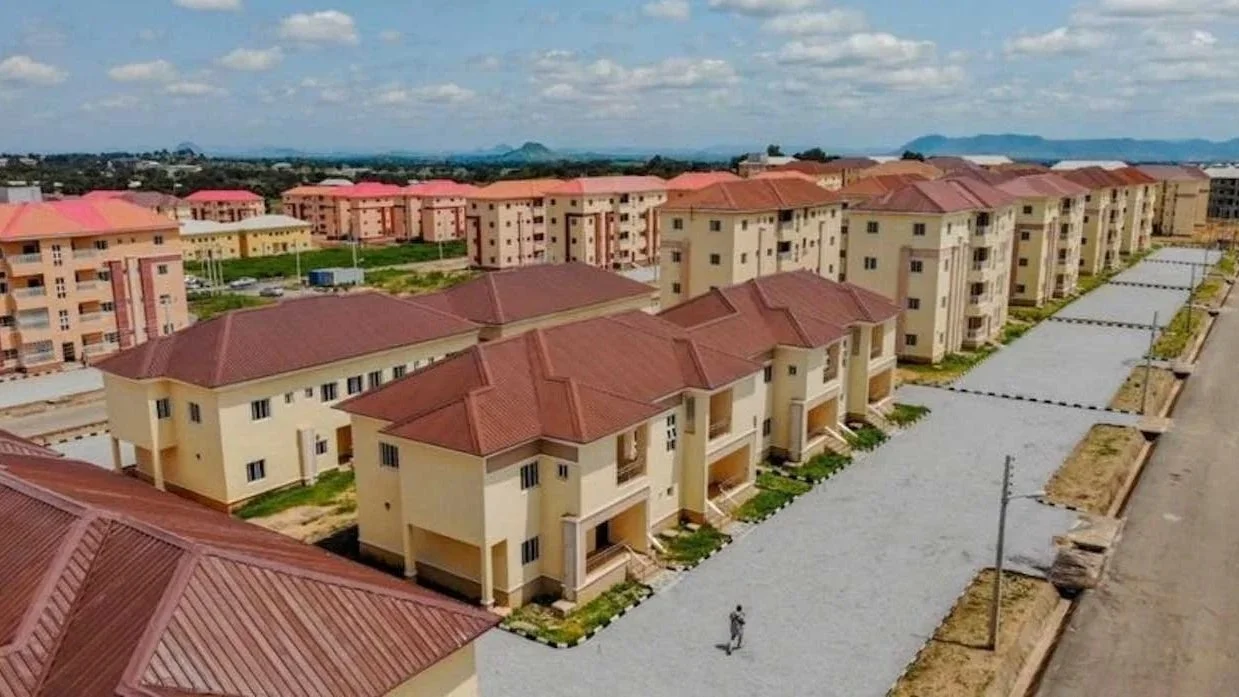

Housing affordability remains one of Nigeria’s most pressing socio-economic challenges, with rising construction costs, inflation and limited mortgage penetration continuing to restrict access to homeownership for millions of citizens. Against this backdrop, stakeholders increasingly view housing finance reforms as critical to improving residential access and supporting long-term urban development.
FMBN and FGSHLB Strengthen Housing Finance Access
The Federal Mortgage Bank of Nigeria serves as the country’s primary public mortgage finance institution, while the Federal Government Staff Housing Loans Board focuses on providing housing support for federal civil servants.
Through various loan products and financing arrangements, both agencies have continued to support workers seeking to acquire, build or renovate residential properties. Their initiatives are designed to provide lower-cost financing alternatives compared to conventional commercial lending systems, where high interest rates often make mortgages inaccessible for many Nigerians.
According to housing sector analysts, public-sector financing schemes remain essential in Nigeria because mortgage lending penetration remains significantly below global averages.
Affordable Housing Demand Continues to Rise
Nigeria’s rapid urbanisation and population growth continue to increase pressure on housing supply across major cities and emerging urban centres. Industry estimates frequently place the country’s housing deficit above 20 million units, with affordability remaining a major constraint for low- and middle-income households.
Civil servants and public sector employees often face additional challenges linked to salary limitations, inflation and rising accommodation costs in urban areas. Housing finance programmes targeted at this demographic are therefore increasingly viewed as important social and economic support mechanisms.
The FMBN-FGSHLB model aims to bridge some of these financing gaps by offering structured repayment systems and more flexible access to homeownership opportunities.
National Housing Fund Supports Mortgage Accessibility
One of the key financing tools used by FMBN is the National Housing Fund (NHF), which enables contributors to access mortgage loans at relatively lower interest rates compared to commercial banks.
The NHF scheme was established to improve access to long-term housing finance for Nigerian workers and encourage broader participation in formal mortgage systems. Contributors are eligible to apply for housing loans after meeting specified contribution requirements.
Housing experts argue that expanding awareness and participation in the NHF remains important for strengthening homeownership rates and improving financial inclusion within the housing sector.
Flexible Financing Models Gain Importance
The collaboration between FMBN and FGSHLB also reflects growing recognition that flexible financing arrangements are necessary to address Nigeria’s housing affordability crisis.
Traditional mortgage systems often require substantial equity contributions, strict income verification and relatively short repayment structures that exclude many workers from accessing home loans. Public-sector housing schemes attempt to reduce these barriers by extending repayment periods and lowering financing costs.
Industry stakeholders note that flexible housing finance products such as rent-to-own models, cooperative housing arrangements and incremental building finance are becoming increasingly important within Nigeria’s real estate sector.
Housing Delivery Linked to Economic Growth
Analysts continue to emphasise the broader economic significance of housing investment beyond shelter provision alone. The housing sector supports employment generation across construction, manufacturing, finance, logistics and professional services.
Increased access to affordable housing can also stimulate economic productivity, improve household stability and support urban planning objectives. According to housing experts, expanding mortgage accessibility may help deepen Nigeria’s formal property market and encourage long-term investment in residential development.
Government-backed housing finance institutions are therefore viewed as important tools for supporting both social welfare and economic development goals.
Challenges Facing Nigeria’s Housing Finance System
Despite ongoing reforms, Nigeria’s housing finance system continues to face several structural constraints.
High inflation, rising building material costs, foreign exchange volatility and limited access to long-term capital continue to affect housing affordability and project delivery. Land administration challenges and lengthy property registration procedures also complicate mortgage processing and property acquisition.
In addition, analysts note that low income levels and weak financial literacy continue to limit mortgage uptake among many Nigerians.
Stakeholders argue that improving housing accessibility will require stronger coordination between government institutions, private developers, financial institutions and regulatory agencies.
Public-Private Collaboration Becoming Increasingly Important
Housing experts say sustainable affordable housing delivery will depend heavily on stronger public-private sector collaboration.
Private developers continue to play a critical role in housing construction, while public institutions provide financing support, regulatory oversight and policy direction. Analysts argue that combining private-sector efficiency with public-sector financing mechanisms could help accelerate housing delivery nationwide.
Recent housing initiatives across Nigeria increasingly incorporate Public-Private Partnership (PPP) models aimed at reducing financing gaps and improving project scalability.
Outlook
The collaboration between the Federal Mortgage Bank of Nigeria and the Federal Government Staff Housing Loans Board highlights the growing importance of innovative financing systems in addressing Nigeria’s housing affordability challenges. As urbanisation accelerates and demand for affordable homes rises, flexible mortgage structures and targeted housing support programmes are expected to remain central to the country’s housing strategy.
While significant structural challenges persist, ongoing reforms within Nigeria’s housing finance ecosystem could improve access to homeownership, deepen mortgage participation and strengthen long-term residential development across the country.
READ MORE