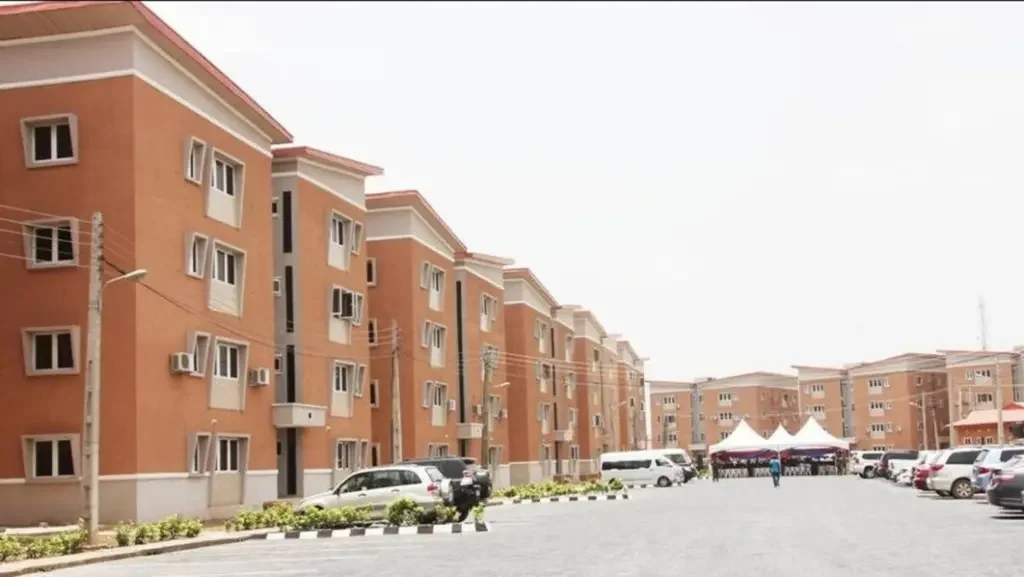
Why Government Control May Worsen Nigeria’s Housing Crisis

Experts Say Government Control Not the Solution to Nigeria’s Rising Rent Crisis
Real estate experts have argued that government-imposed controls are unlikely to resolve Nigeria’s escalating rent crisis, warning that such measures could distort the housing market without addressing underlying structural issues. Instead, they advocate supply-side reforms, cost reduction strategies, and improved housing delivery as more sustainable solutions.
/ You Might Also Like /




Market Forces Driving Rent Increases
According to industry professionals, rising rents in major Nigerian cities are primarily driven by demand-supply imbalances. Rapid urbanisation, population growth, and a widening housing deficit have intensified pressure on available housing stock.
In cities like Lagos, a significant proportion of residents rely on rental accommodation, creating persistent demand that continues to outpace supply. Analysts note that landlords respond to these pressures by adjusting rents in line with market conditions rather than regulatory directives.
Why Government Control Falls Short
Experts argue that direct government intervention such as rent caps or price controls fails to address the root causes of rising rents. They highlight that most residential properties are privately owned, limiting the government’s ability to dictate pricing without broader structural reforms.
Additionally, attempts to regulate rent often face enforcement challenges. Existing tenancy laws, designed to moderate rent increases, have struggled to achieve meaningful impact due to weak implementation and limited compliance across the market.
Cost Pressures and Inflation
Another key factor driving rent increases is the rising cost of construction and financing. Developers face higher prices for building materials, increased borrowing costs, and currency-related pressures, all of which translate into higher property prices and rents.
Experts emphasise that landlords and developers seek to recover these costs, making rent increases a reflection of broader economic conditions rather than arbitrary pricing decisions. Without addressing inflation and input costs, regulatory controls are unlikely to deliver lasting relief.
Supply Constraints and Housing Deficit
Nigeria’s housing deficit estimated in the millions of units remains a central issue. Experts argue that rent control policies do not create new housing supply and may, in some cases, discourage investment in the sector.
Economic theory also supports this view, suggesting that strict rent regulation can reduce the quantity and quality of housing over time by limiting returns for property owners and developers.
Alternative Policy Recommendations
Rather than imposing price controls, experts recommend a range of structural interventions, including:
Increasing housing supply through public-private partnerships
Reducing the cost of building materials and construction financing
Streamlining land acquisition and approval processes
Expanding access to affordable housing schemes
These measures, they argue, would address the root causes of rent increases and improve affordability without distorting market incentives.
Implications for Tenants and Investors
For tenants, the current trajectory suggests continued pressure on household incomes, particularly in urban centres. Many households already allocate a significant share of income to rent, highlighting the urgency of effective policy responses.
For investors and developers, the debate reinforces the importance of a stable and predictable policy environment. Overregulation could deter investment, while targeted reforms could unlock new opportunities in housing delivery.
Experts maintain that government control is not a sustainable solution to Nigeria’s rent crisis. Instead, resolving the issue requires addressing structural constraints within the housing market, particularly supply shortages and rising construction costs.
As the debate continues, policymakers face a critical choice between short-term interventions and long-term reforms that can deliver a more balanced and affordable housing market.
READ MORE