Experts Urge FG to Prioritise Fuel Supply Stability Over Price Controls

Market-Based Pricing Favoured as Experts Warn Against Fuel Price Controls
Energy and economic experts have advised the Federal Government to prioritise stable fuel supply rather than reintroducing price controls, warning that artificial price suppression could distort the market and worsen long-term economic outcomes. The recommendation comes amid rising global oil market volatility and increasing domestic fuel costs.
Supply Stability Over Price Intervention
Stakeholders argue that ensuring consistent availability of petroleum products offers a more sustainable solution than administratively fixing prices. According to analysts, price controls often create supply shortages, discourage investment, and deepen inefficiencies across the energy value chain.
An energy expert noted that attempts to artificially suppress fuel prices could “deepen market distortions and worsen long-term economic vulnerabilities.”
/ You Might Also Like /



This position aligns with Nigeria’s broader transition toward deregulation, where prices are determined by market forces rather than government intervention.
Market-Based Pricing Gains Policy Backing
The Federal Government has reaffirmed its commitment to market-driven pricing. The Minister of Finance and Coordinating Minister of the Economy, Wale Edun, stated that authorities will avoid price controls and instead pursue alternative measures to ease cost pressures.
He emphasised that market pricing remains central to ongoing economic reforms, describing it as necessary to eliminate long-standing distortions in the petroleum sector.
Rather than reverting to subsidies, the government is exploring targeted interventions such as expanding compressed natural gas (CNG) adoption to reduce transportation costs.
Role of Domestic Supply and Refining Capacity
Experts highlight that improving domestic fuel supply particularly through increased crude allocation to local refineries offers a more effective path to price stability.
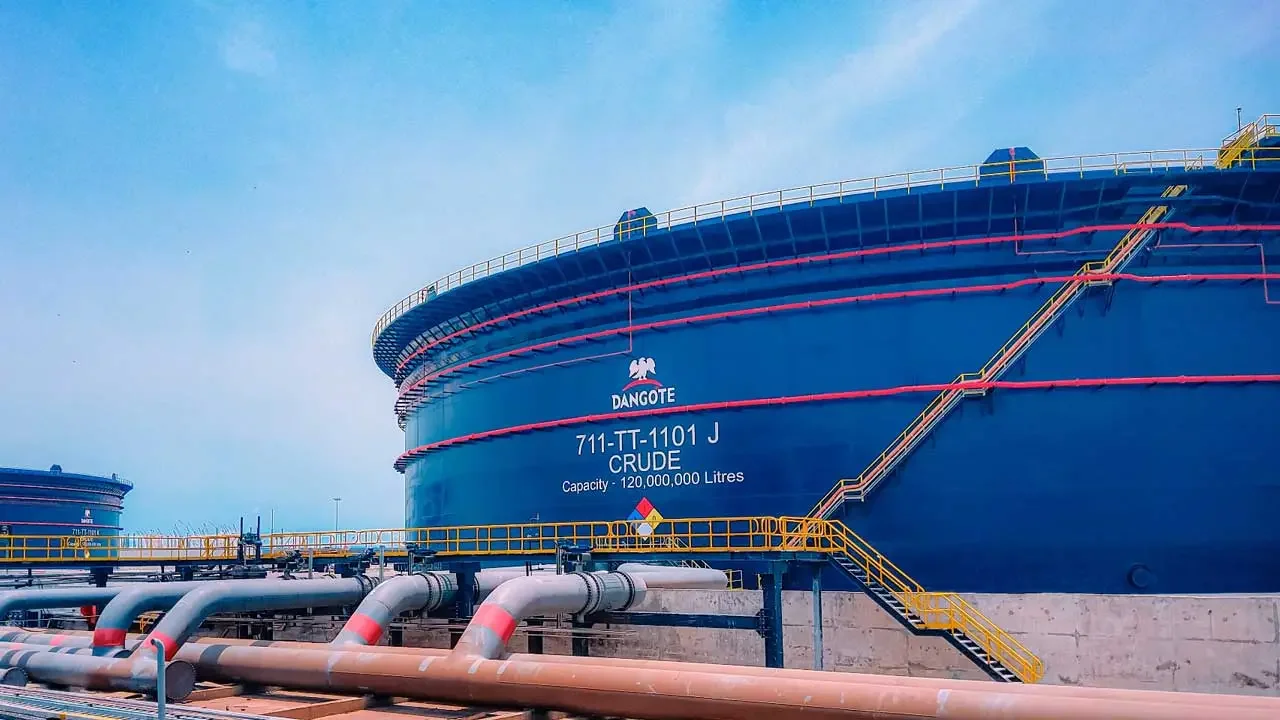
Nigeria’s growing refining capacity, led by facilities such as the Dangote Refinery, is expected to play a critical role in stabilising supply and reducing dependence on imports.
Economists argue that prioritising crude supply to local refineries at competitive rates could lower production costs and translate into more stable pump prices without direct price controls.
Global Pressures and Domestic Implications
The call for supply-focused policy comes against the backdrop of heightened geopolitical tensions affecting global oil markets. Disruptions in key supply routes have increased crude prices, with direct implications for domestic fuel costs.
As a net oil producer, Nigeria faces a complex dynamic: while higher global prices can boost revenue, they also increase the cost of refined products in a deregulated market.
Ensuring stable local supply is therefore seen as essential to insulating the domestic economy from external shocks.
Economic and Policy Implications
A supply-first approach has broader economic implications. Stable fuel availability supports industrial productivity, reduces logistics costs, and enhances investor confidence.
Conversely, price controls risk creating shortages, encouraging arbitrage, and discouraging private sector participation in refining and distribution.
Analysts emphasise that consistent policy implementation will be critical to maintaining investor trust, particularly as Nigeria seeks to attract capital into its energy and infrastructure sectors.
The recommendation to prioritise fuel supply stability over price control reflects a shift toward market-based energy policy in Nigeria. While rising fuel costs remain a concern, experts argue that sustainable solutions lie in strengthening domestic supply chains and refining capacity.
The effectiveness of this approach will depend on the government’s ability to ensure adequate crude supply, maintain policy consistency, and support investments that enhance long-term energy security.
READ MORE