Lagos Festive Economy Expands as U.S. Becomes Leading Source Market
Lagos Detty December Attracts Record U.S. Visitors, Overtakes UK
The United States has emerged as the largest source of diaspora visitors to Lagos during the 2025 Detty December season, accounting for 27 percent of international arrivals and surpassing the United Kingdom for the first time. The shift highlights changing travel patterns within the Nigerian diaspora and underscores the growing global appeal of Lagos as a cultural and tourism hub.
Shift in Diaspora Travel Patterns
According to a report by MO Africa Company titled The Economics of Euphoria: Lagos’ Detty December 2025, travellers originating from the United States led all international arrivals during the festive period.
The report attributes this shift to increased engagement from Nigerian-Americans and the global visibility of Lagos’ festive events. The strong turnout reflects a “fear of missing out” effect generated by the viral success of previous editions, which amplified international interest in the city’s end-of-year celebrations.
/ You Might Also Like /


Other key source markets included Europe (12 percent), Canada (11 percent), the African region (10 percent), and Asia and the Middle East, indicating a broadening global footprint for the event.
Scale of Participation and Economic Impact
The 2025 Detty December season attracted approximately 3.6 million participants over a 55-day period spanning mid-November 2025 to January 2026.
Diaspora visitors played a central role in driving economic activity, contributing 55 percent of total consumer spending. Overall spending reached ₦396.54 billion, reinforcing the event’s significance as a major economic driver for Lagos.
Breakdown of expenditure shows:
Hospitality and accommodation accounted for 44.23 percent (₦175.40 billion)
Entertainment and nightlife contributed 32.67 percent (₦129.55 billion)
Food and dining made up 12.91 percent
Fashion, retail, and wellness comprised the remainder
In addition, diaspora travellers spent an estimated $384.5 million on air travel alone, highlighting the scale of international engagement.
Urban Concentration and Infrastructure Pressure
High-value economic activity remained concentrated in key districts such as Victoria Island, Ikoyi, and Lekki, which continue to serve as hubs for premium hospitality and entertainment experiences.
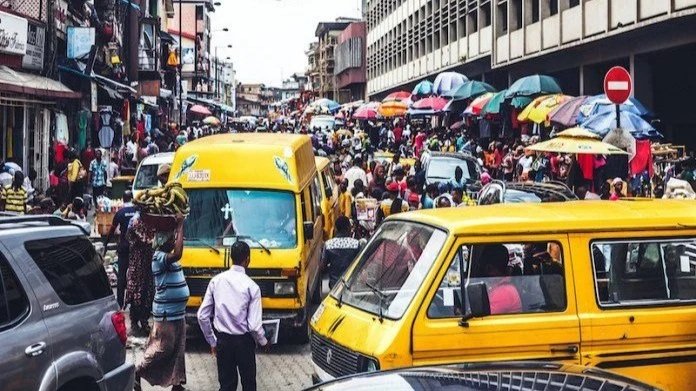
However, the surge in visitors placed significant pressure on urban infrastructure. Lagos operated at approximately 238 percent of its designed human capacity during the period, resulting in congestion, increased waste generation, and strain on transport systems.
An additional ₦19 billion was spent on logistics, security, and operational support, reflecting the scale of behind-the-scenes economic activity required to sustain the event.
Demographic and Cultural Dynamics
The report indicates that over 70 percent of attendees were Gen Z and Millennial travellers, highlighting the event’s appeal among younger demographics.
This demographic trend aligns with the broader rise of digital culture and global Afrobeats influence, which continues to position Lagos as a leading destination within Africa’s creative economy.
The participation of Nigerian-Americans estimated at over 700,000 people in the U.S. has become increasingly influential in shaping travel flows, cultural exchange, and consumption patterns.
Strategic Implications for Tourism and Investment
The emergence of the United States as the leading diaspora source signals a structural shift in Nigeria’s tourism market. For policymakers and investors, this trend presents opportunities to deepen engagement with high-spending diaspora segments.
The scale of spending across hospitality, entertainment, and retail reinforces the economic value of cultural tourism. It also highlights the need for targeted infrastructure investment, including transport systems, event venues, and urban planning frameworks capable of supporting large-scale seasonal inflows.
The 2025 Detty December season marks a turning point in Lagos’ global tourism positioning, with the United States emerging as the dominant diaspora source market.
As participation and spending continue to grow, the event is evolving into a major economic and cultural platform. Sustaining this momentum will require coordinated investment in infrastructure, policy support, and strategic engagement with diaspora communities to maximise long-term value.
READ MORE