Renewing Hope: FG Highlights Impact of Partnerships in Rebuilding Communities
Federal Government, States Partner to Rebuild Lives and Infrastructure
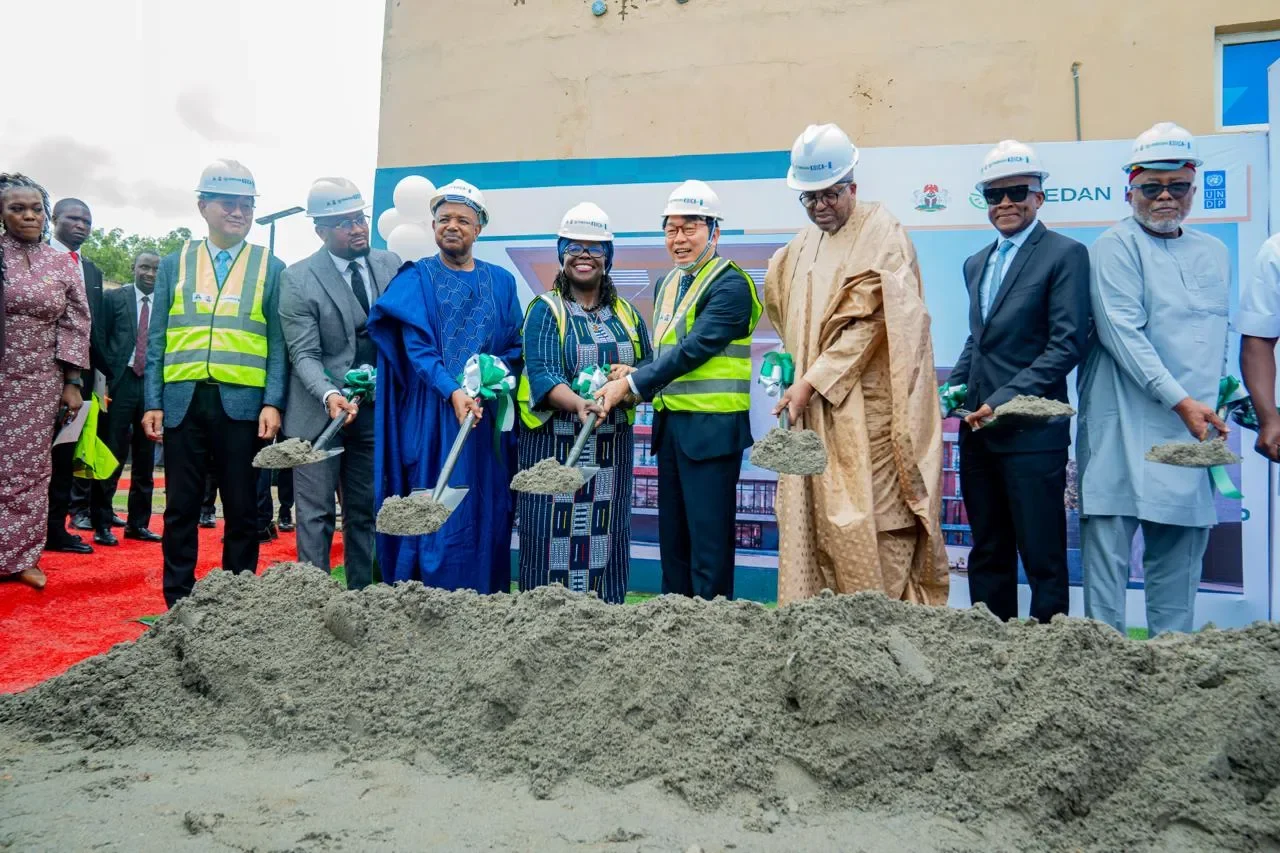
The Federal Government has highlighted the growing impact of strategic partnerships with state governments in rebuilding communities, delivering infrastructure, and restoring livelihoods under the Renewed Hope Agenda. Recent interventions in Kaduna State, particularly in Tudun Biri, demonstrate how coordinated federal and subnational efforts are accelerating recovery and development.
/ You Might Also Like /



The Federal Government’s Renewed Hope Agenda is increasingly anchored on collaborative governance, with partnerships between federal and state authorities emerging as a central delivery model for infrastructure and social interventions. This approach reflects a shift from isolated project execution to integrated, multi-level coordination aimed at maximising development outcomes across Nigeria.
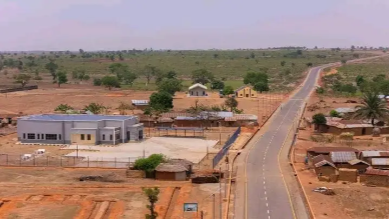
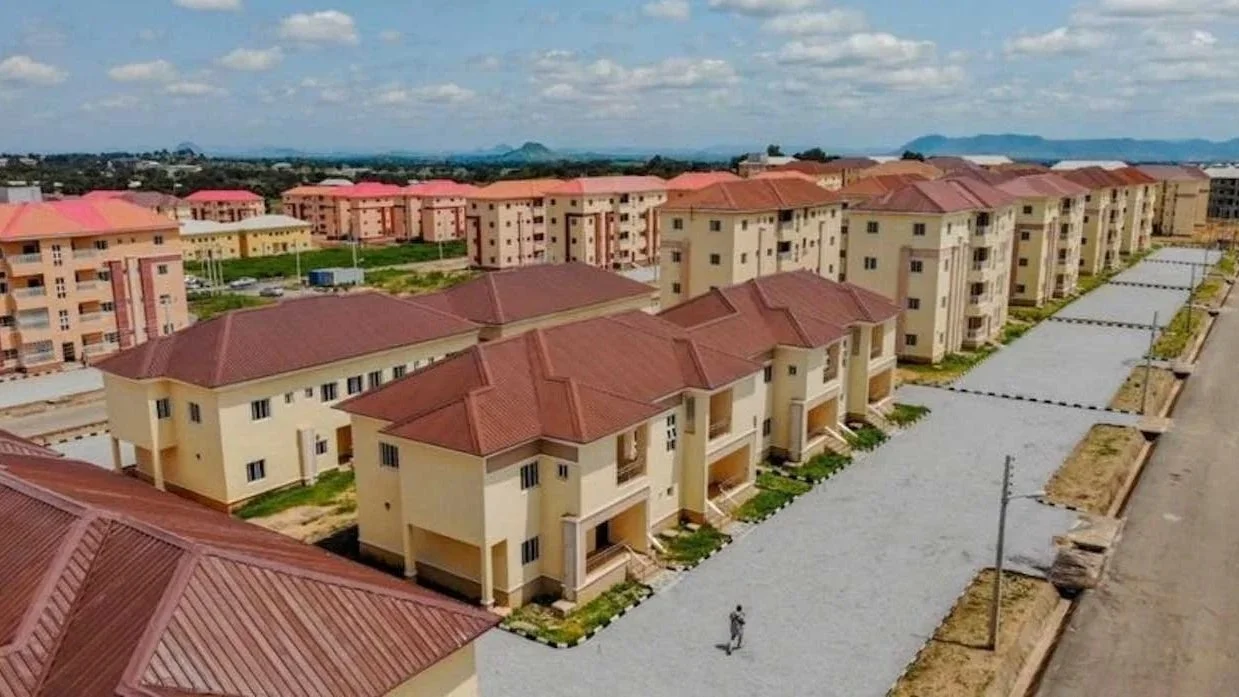
A clear example is Tudun Biri in Kaduna State, a community that suffered significant loss following a 2023 military drone incident. In the aftermath, a joint intervention between the Federal Government and Kaduna State has transformed the area into a model of post-crisis recovery. The Federal Government delivered 134 housing units for affected families, while the state government complemented the effort with critical infrastructure, including road networks, solar-powered lighting, healthcare facilities, and a skills acquisition centre.
This coordinated approach underscores the operational framework of the Renewed Hope Agenda, where federal funding, state-level execution, and targeted social investments converge to deliver measurable impact. Beyond reconstruction, the initiative integrates long-term economic recovery through skills development and improved access to healthcare and infrastructure.
The partnership model is also being replicated across broader infrastructure projects, including rail development, irrigation systems, and urban transport initiatives. These projects highlight a deliberate policy direction that prioritises shared responsibility between tiers of government, supported by increased fiscal allocations following subsidy reforms.
Partnership Model Driving Infrastructure Delivery
Government officials emphasise that collaboration between the centre and states has become a key enabler of project execution. Increased revenues to subnational governments driven in part by fiscal reforms have strengthened their capacity to co-finance and implement large-scale projects.
This model has supported the rollout of initiatives such as the Kaduna Light Rail project and the Kano Maradi railway corridor, both of which rely on coordinated planning and execution across multiple jurisdictions.
Economic and Social Impact
The rebuilding of Tudun Biri reflects broader socio-economic objectives embedded within the Renewed Hope Agenda. By combining housing delivery with infrastructure and human capital development, the programme addresses both immediate recovery needs and long-term resilience.
The integration of healthcare, education, and skills development into reconstruction efforts positions affected communities for sustainable growth, rather than temporary relief.
Fiscal Reforms Supporting Partnerships
Recent fiscal developments have reinforced the partnership framework. Increased allocations to states and local governments have expanded their capacity to participate in development projects.
According to government data, total allocations rose significantly, while savings from subsidy reforms increased substantially, creating additional fiscal space for infrastructure investment and social programmes.
Implications for National Development
The emphasis on partnerships signals a structural shift in Nigeria’s development strategy. Rather than centralised project delivery, the government is leveraging decentralised execution with shared accountability.
For policymakers and investors, this approach enhances project scalability, improves resource utilisation, and reduces implementation bottlenecks. It also creates opportunities for private sector participation within a more coordinated policy framework.
The Renewed Hope Agenda’s focus on partnerships is redefining how development projects are conceived and delivered in Nigeria. The transformation of Tudun Biri illustrates the tangible outcomes of this approach, combining housing, infrastructure, and social investment into a cohesive recovery model.
As the framework expands across sectors and regions, sustained collaboration between federal and state governments will remain critical to achieving inclusive growth and long-term national development.
READ MORE