From Lekki to Ikeja: The Hidden Math Behind Lagos Shortlet Pricing
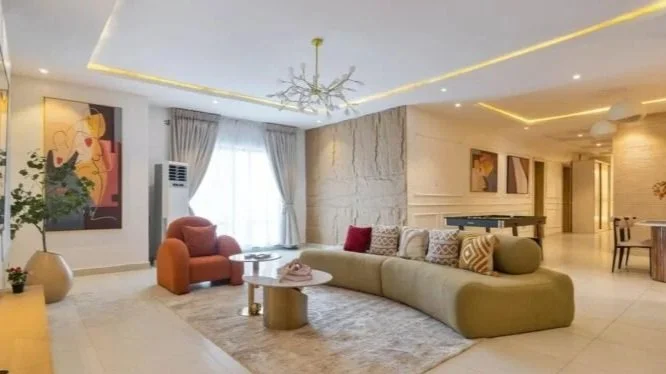
Lagos Short-Term Rental Market
Lagos’ shortlet market continues to expand rapidly, with pricing driven by location, demand patterns, and property quality across key districts. Data shows that nightly rates range from about ₦55,000 in lower-demand mainland areas to over ₦300,000 in premium locations, highlighting a highly segmented and increasingly structured rental market.
/ You Might Also Like /

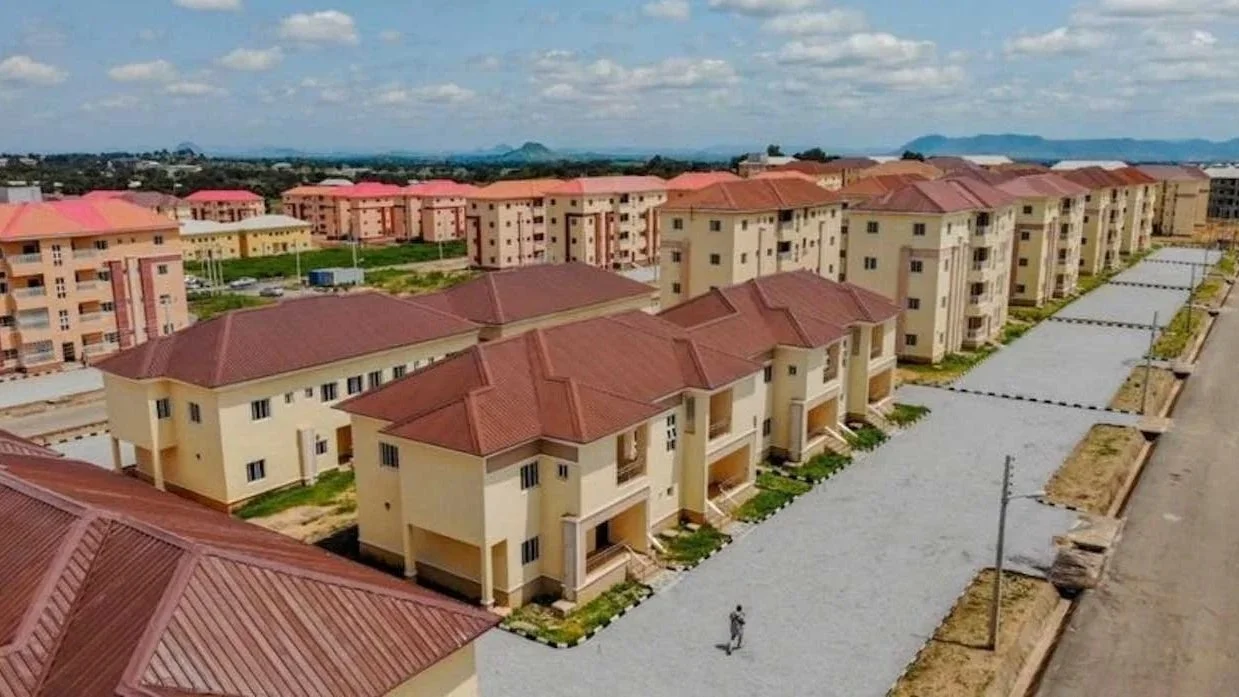

The short-term rental segment in Lagos has evolved into a major component of the city’s real estate economy, driven by rising demand from business travellers, expatriates, and the Nigerian diaspora. Unlike traditional rental markets, shortlet pricing operates on a dynamic model influenced by micro-location, occupancy rates, amenities, and seasonal demand fluctuations.
Across high-demand areas such as Lekki and Victoria Island, proximity to commercial hubs, lifestyle infrastructure, and security significantly increases pricing power. In contrast, mainland districts like Ikeja and Surulere offer comparatively lower rates but remain competitive due to accessibility and growing commercial activity.
This pricing disparity reflects a broader shift in Lagos’ housing market, where short-term rentals are increasingly positioned as income-generating assets. Investors and property owners are responding by upgrading units to meet hospitality-grade standards, further reinforcing the segmentation between premium and budget offerings.
Location as the Primary Pricing Driver
Location remains the most significant determinant of shortlet pricing in Lagos. On the Island axis including Lekki and Victoria Island nightly rates typically range between ₦120,000 and ₦200,000, supported by strong corporate demand and proximity to business districts.
In comparison, mainland areas such as Ikeja, Yaba, and Surulere record average nightly rates between ₦100,000 and ₦150,000, reflecting moderate demand and lower entry costs for guests.
Lower-demand locations like Festac and Ikorodu offer even more affordable options, with prices ranging from ₦55,000 to ₦85,000 per night.
Premium Segment and Luxury Pricing
At the top end of the market, high-end districts such as Ikoyi, Banana Island, and Eko Atlantic command rates exceeding ₦230,000 per night, with some listings surpassing ₦300,000.
These locations benefit from exclusivity, advanced security infrastructure, and luxury amenities, positioning them as preferred choices for high-net-worth individuals and corporate clients.
Demand Dynamics and Occupancy Trends
Shortlet pricing also reflects demand patterns tied to business travel, tourism, and seasonal peaks. High-demand periods—particularly during festive seasons—drive occupancy rates close to capacity in prime areas, enabling operators to increase rates.
Corporate bookings and diaspora inflows continue to play a significant role in sustaining demand, particularly in premium segments where clients prioritise convenience, privacy, and quality over cost.
Cost Structure and Investment Considerations
Behind the pricing structure lies a combination of operational and capital costs. Property owners must account for furnishing, maintenance, utilities, security, and platform fees, all of which influence final pricing.
Compared to traditional rentals, shortlets offer higher yield potential but require more active management and consistent service delivery. This has led to increased professionalisation within the sector, with operators adopting hospitality standards to remain competitive.
Implications for Housing Supply
The growth of shortlet apartments has broader implications for Lagos’ housing market. As more property owners convert residential units into short-term rentals, long-term housing supply may tighten, potentially contributing to rising rents in certain areas.
This trend highlights the need for balanced policy approaches that support investment while ensuring adequate housing availability for residents.
The pricing structure of Lagos’ shortlet market reflects a complex interplay of location, demand, and property quality. From Lekki’s premium rates to Ikeja’s mid-tier positioning, the market continues to evolve into a highly segmented and investment-driven sector.
For investors and policymakers, understanding these dynamics is essential to navigating opportunities, managing risks, and ensuring sustainable growth within Lagos’ rapidly expanding real estate landscape.
READ MORE