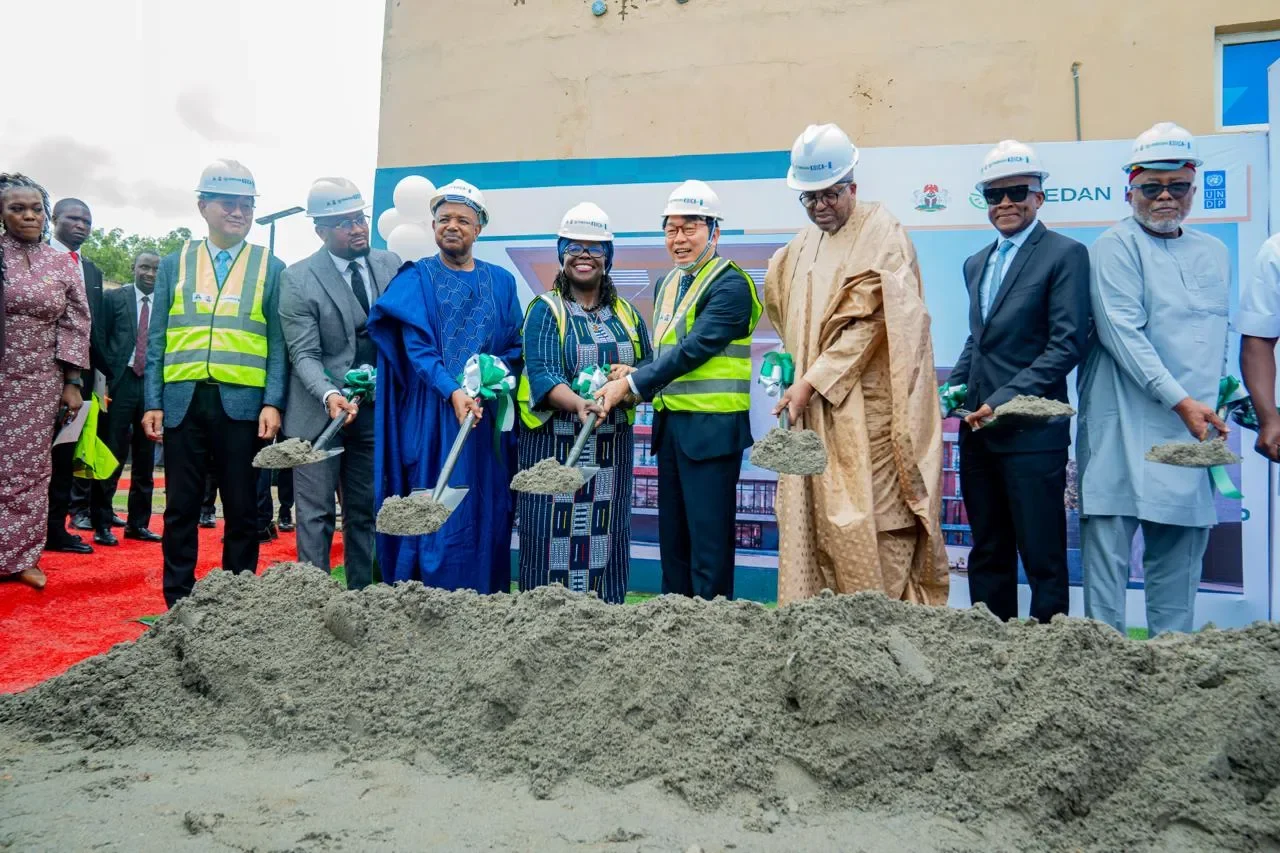
Nigeria Faces Accountability Concerns as ₦24bn Projects Remain Unfinished
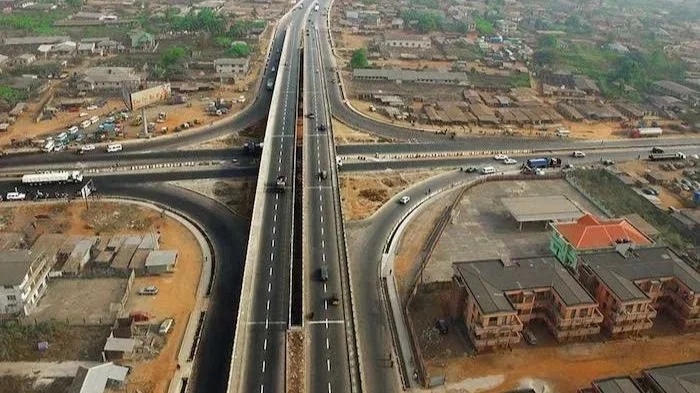
Report Exposes Widespread Abandonment of Public Projects in Nigeria
A new report has revealed that public projects worth approximately ₦24 billion have been abandoned across several Nigerian states, underscoring persistent challenges in budget execution, accountability, and infrastructure delivery. The findings highlight systemic gaps between government allocations and actual project completion.
Widespread Project Abandonment Across States
The report, which assessed capital projects funded under the Federal Government’s budget, found a significant number of projects either abandoned, uncompleted, or not commenced despite allocated funds.
Data from project tracking initiatives show that across multiple states, only a fraction of approved projects reach completion, while others remain stalled or entirely unexecuted.
/ You Might Also Like /

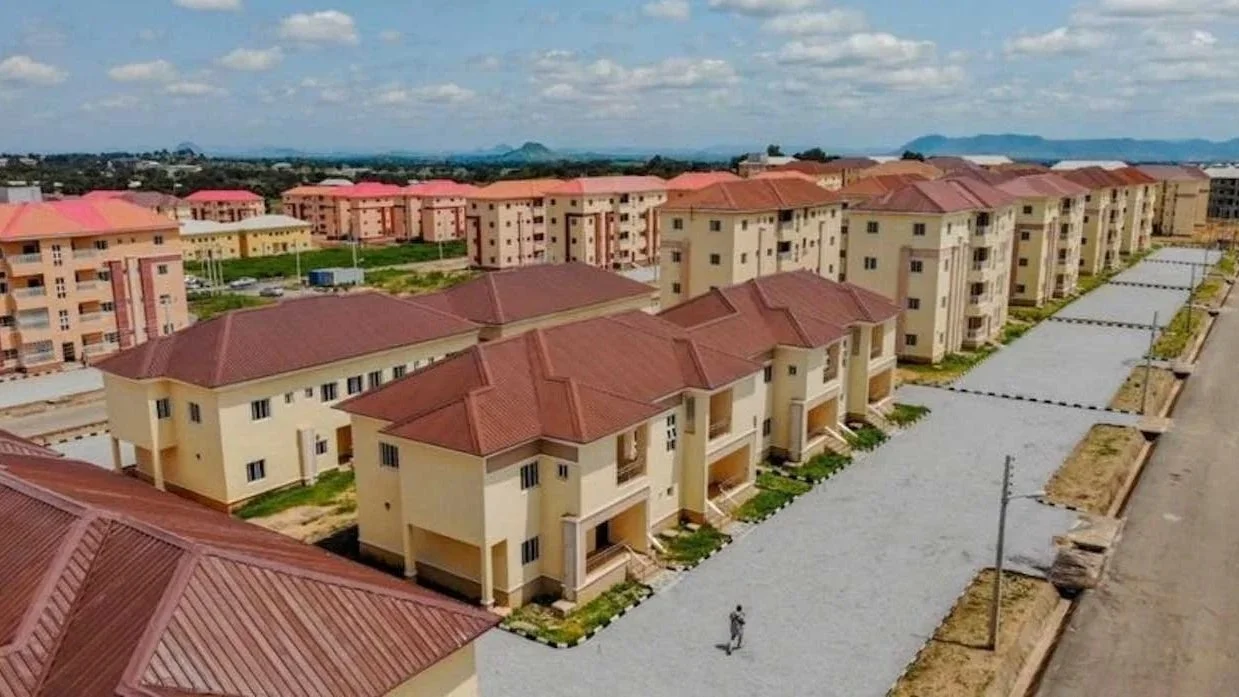

For instance, in several states reviewed:
A portion of projects were completed and operational
A comparable number remained abandoned or ongoing
Others had not commenced despite funding approvals
This pattern reflects a recurring disconnect between budgetary commitments and on-ground delivery.
Accountability and Procurement Concerns
The report raises concerns about procurement integrity, contractor performance, and institutional oversight. In some cases, projects were classified as “fraudulently delivered,” indicating serious lapses in monitoring and verification processes.
Analysts note that weak enforcement mechanisms and limited transparency contribute to project abandonment. Without clear accountability structures, contractors face limited consequences for non-performance, while public funds remain tied up in unproductive assets.
Rising Allocations, Limited Outcomes
One of the report’s key insights is the mismatch between rising capital allocations and actual service delivery. Several states recorded significant increases in budgetary allocations for infrastructure projects, yet outcomes remained inconsistent.
This trend suggests that increased funding alone does not translate into improved infrastructure delivery. Instead, execution capacity, governance quality, and monitoring frameworks play a more decisive role in determining outcomes.
Economic and Infrastructure Implications
Abandoned projects represent a direct loss of public resources and an opportunity cost for economic development. Infrastructure gaps particularly in roads, healthcare, and education continue to constrain productivity and social outcomes.
Incomplete projects also undermine investor confidence, as they signal inefficiencies in public sector management and increase perceived risks associated with government-led infrastructure initiatives.
From a fiscal perspective, abandoned projects reduce the return on public investment and contribute to inefficiencies in capital expenditure.
Structural Challenges in Project Delivery
The report highlights several structural issues affecting project implementation:
Weak project planning and cost estimation
Delays in fund disbursement
Contractor inefficiencies and capacity gaps
Limited oversight and monitoring systems
These challenges are not new but remain persistent across multiple budget cycles, indicating the need for systemic reform.
Policy and Governance Implications
Stakeholders, including civil society organisations, have called for stronger oversight mechanisms, improved transparency, and stricter enforcement of contract terms.
There is also growing advocacy for digitised project tracking systems and real-time reporting frameworks to enhance accountability. Strengthening institutions responsible for procurement and audit functions will be critical to improving outcomes.
The revelation that ₦24 billion worth of public projects remain abandoned across Nigerian states highlights a critical governance challenge. While budget allocations continue to rise, execution gaps persist, limiting the impact of public spending.
Addressing these inefficiencies will require comprehensive reforms in project management, procurement, and accountability systems to ensure that public investments translate into tangible infrastructure and economic benefits.
READ MORE