FG Orders NPA to Take Over Inland Dry Port Functions from Shippers’ Council
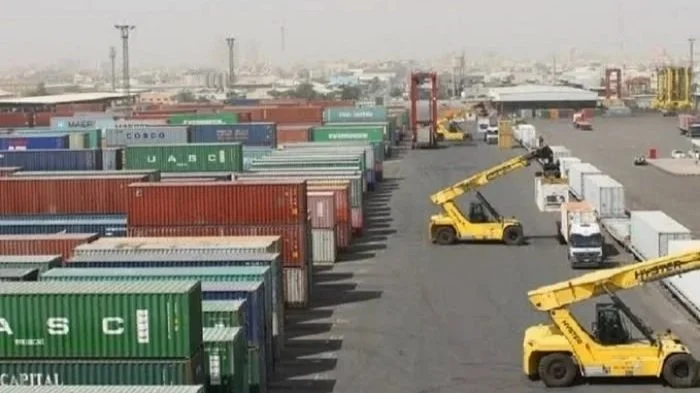
NPA to assume inland dry port functions
The Federal Government has directed the Nigerian Ports Authority (NPA) to take over the Inland Dry Port (IDP) functions currently handled by the Nigerian Shippers’ Council (NSC), as part of a wider restructuring of Nigeria’s port sector.
/ You Might Also Like /




The Minister of Marine and Blue Economy, Adegboyega Oyetola, announced the directive on Thursday, September 3, 2026, saying the transfer is intended to establish a clearer separation between port regulation, development and operations.
Government Restructures Port Sector
The directive follows the enactment of the Nigeria Ports Economic Regulatory Agency (NPERA) Act, 2026, which provides for the transition of the Nigerian Shippers’ Council into NPERA as the country’s substantive economic regulator for the port sector.
According to Oyetola, the restructuring is designed to allow the new regulatory agency to concentrate on economic regulation while the NPA takes responsibility for promoting inland dry ports and integrating them more closely with the country’s wider port infrastructure and operational network.
The government has also directed the immediate establishment of a Ministerial Committee to oversee the transition of the Shippers’ Council into NPERA.
NPERA to Focus on Port Economic Regulation
Under the new arrangement, NPERA will be responsible for key economic regulatory functions across the port sector.
These include the regulation of tariffs and charges, competition, licensing, service standards, commercial dispute resolution and the protection of port users.
The separation is intended to reduce overlapping responsibilities among agencies and create clearer institutional roles across Nigeria’s maritime and port system.
NPA to Integrate Inland Dry Ports with Port Network
The transfer places the promotion of inland dry ports under the NPA, which the Federal Government considers better positioned to connect the facilities with the country's broader port infrastructure.
Inland dry ports are designed to extend cargo handling and clearance activities away from coastal seaports, potentially helping to improve cargo distribution and reduce pressure on major port locations.
Nigeria has pursued the development of inland dry ports in several parts of the country as part of efforts to improve logistics connectivity and move cargo closer to inland markets.
The government’s latest decision could therefore influence how these facilities are developed and integrated with existing seaports, road networks and other transport infrastructure.
Implications for Logistics and Regional Development
A more integrated inland dry port system could have implications beyond maritime operations. Improved connections between seaports and inland logistics facilities can support the movement of goods to commercial centres and industrial areas while potentially reducing dependence on congested coastal corridors.
For property and infrastructure markets, greater activity around functional inland dry ports could also increase demand for warehouses, logistics parks, industrial facilities and supporting commercial developments in surrounding locations.
However, the extent of these benefits will depend on how effectively the new institutional structure improves port connectivity, cargo evacuation and investment in supporting infrastructure.
Port Sector Transition to Continue
The Federal Government’s latest directive represents another step in the transition of the Nigerian Shippers’ Council into NPERA and the broader reorganisation of responsibilities within the maritime sector.
The Ministerial Committee is expected to oversee the transition process, while the NPA assumes the relevant inland dry port functions.
The success of the restructuring will ultimately depend on clear responsibilities, effective coordination among agencies and sustained investment in the infrastructure required to connect inland dry ports with Nigeria’s wider transport and logistics network.
READ MORE