FG Records ₦358.3 Billion Electricity Subsidy Bill in First Quarter of 2026 – NERC
NERC Reports ₦358.3 Billion Power Subsidy Burden for Q1 2026
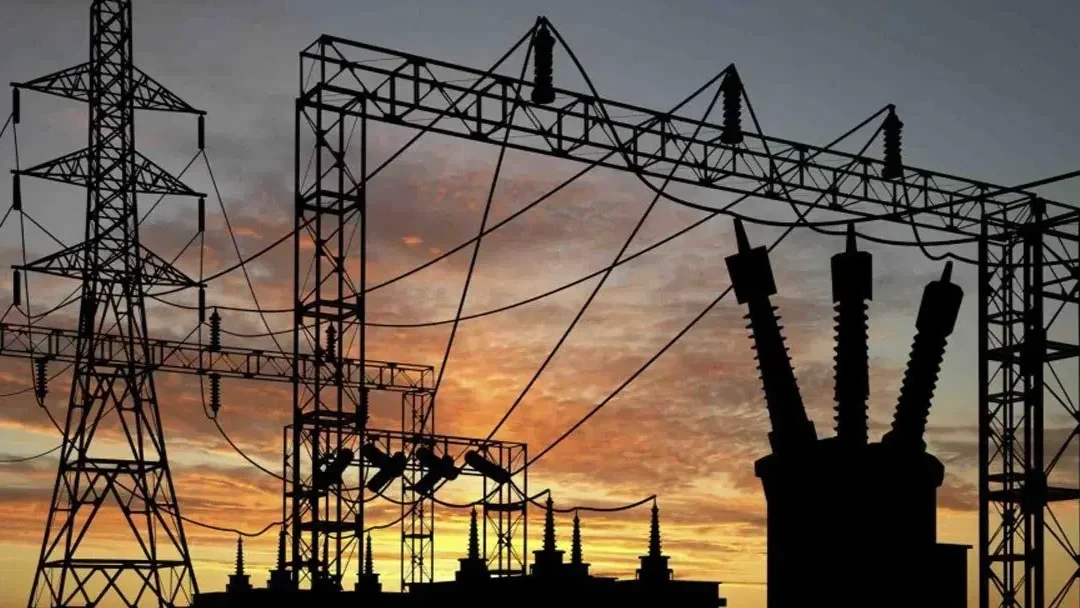
The Federal Government incurred ₦358.32 billion in electricity tariff subsidy obligations during the first quarter of 2026 as it continued to shield consumers from cost-reflective electricity tariffs, according to the latest report by the Nigerian Electricity Regulatory Commission (NERC). The subsidy covered the gap between the actual cost of electricity generation and the regulated tariffs paid by consumers, underscoring the continued fiscal burden of Nigeria's power sector subsidy regime.
/ You Might Also Like /



NERC disclosed that although the subsidy obligation declined by 14.44% from the ₦418.79 billion recorded in the fourth quarter of 2025, the reduction was driven primarily by lower electricity offtake by distribution companies (DisCos) rather than improvements in tariff recovery or increased market efficiency.
Subsidy Continues to Bridge Tariff Gap
According to NERC's First Quarter 2026 Report, electricity tariffs remain below cost-reflective levels across the country's electricity distribution network, requiring the Federal Government to absorb the difference through subsidy payments.
The Commission explained that under the existing Distribution Companies' Remittance Obligation (DRO) framework, electricity distribution companies pay only the portion of generation costs covered by approved tariffs, while the Federal Ministry of Finance settles the outstanding balance as a government subsidy.
During the review period, electricity generation companies invoiced a total of ₦689.72 billion for power supplied to the country's 11 electricity distribution companies. However, only ₦331.40 billion was billed to the DisCos under the current tariff structure, leaving the Federal Government to cover the remaining ₦358.32 billion.
Subsidy Still Covers More Than Half of Generation Costs
Despite the quarterly decline, government support continued to account for a substantial share of electricity generation costs.
NERC reported that the subsidy represented 51.95% of the total generation invoice during the first quarter, only slightly below the 52.03% recorded in the previous quarter. The regulator attributed the reduction to an 8.56% decline in electricity offtake by distribution companies between the fourth quarter of 2025 and the first quarter of 2026.
The Commission emphasised that the lower subsidy requirement did not result from electricity tariff reforms but reflected reduced energy purchases by DisCos during the period.
Distribution Companies' Revenue Collection Remains Mixed
The report also highlighted the financial performance of electricity distribution companies during the quarter.
Collectively, the 11 DisCos billed customers ₦756.93 billion and recovered ₦597.56 billion, translating to a collection efficiency of 78.95%, slightly lower than the 79.36% achieved in the fourth quarter of 2025.
Among the operators, Ikeja Electric recorded the highest collection efficiency at 90.0%, followed by Eko Electricity Distribution Company at 89.64%, Benin Electricity Distribution Company at 85.16%, Port Harcourt Electricity Distribution Company at 81.22%, and Abuja Electricity Distribution Company at 80.90%. Kaduna Electricity Distribution Company recorded the lowest performance with a collection efficiency of 45.81%.
Fiscal Implications for Government
The continued reliance on electricity subsidies highlights the significant fiscal pressure associated with maintaining regulated electricity tariffs while generation costs fluctuate.
Industry analysts note that sustaining large-scale subsidy payments could constrain public finances, particularly as government spending requirements continue to rise across infrastructure, healthcare and social services. At the same time, removing subsidies without broader sector reforms could increase electricity costs for households and businesses.
For investors and policymakers, the report underscores the importance of accelerating electricity market reforms, improving distribution efficiency and expanding investment in transmission and generation infrastructure to strengthen the long-term sustainability of Nigeria's power sector.
Outlook
NERC's latest report illustrates the continuing challenge of balancing affordable electricity tariffs with the financial sustainability of Nigeria's electricity market.
While the first-quarter subsidy obligation declined compared with the previous quarter, the Federal Government continues to finance more than half of generation costs. Future reforms aimed at improving market efficiency, strengthening DisCo performance and gradually transitioning towards cost-reflective tariffs are expected to play a critical role in reducing subsidy obligations and improving the sector's long-term viability.
READ MORE