FG’s rising borrowing puts pressure on domestic credit
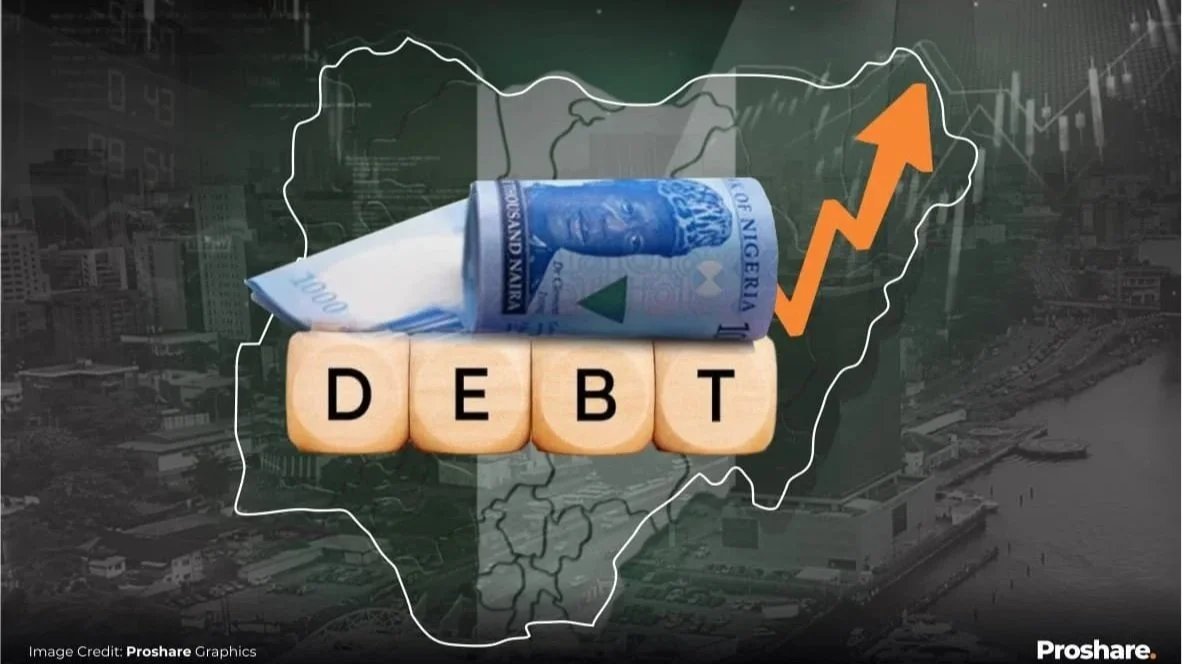
The Federal Government increased its domestic borrowing by 90.5% year-on-year to ₦24.7 trillion in the first eight months of 2026, from ₦12.98 trillion during the corresponding period of 2025, according to data compiled from government financial reports.
The sharp increase has raised concerns about the availability of credit for businesses and households, as government borrowing is growing substantially faster than lending to the private sector.
/ You Might Also Like /




Government credit grows more than four times faster than private-sector credit
Data from the Central Bank of Nigeria (CBN) showed that credit to the government increased by 43% year-on-year to ₦33.92 trillion in July 2026, compared with ₦23.69 trillion a year earlier.
By comparison, credit to the private sector increased by only 9.6% to ₦83.43 trillion from ₦76.13 trillion over the same period.
This means credit to government grew about 4.5 times faster than private-sector credit, highlighting the increasing competition for funds within the domestic financial system.
The borrowing surge was driven largely by increased issuance of Federal Government bonds, Nigerian Treasury Bills (NTBs) and FGN Savings Bonds.
FGN bonds and Treasury Bills account for most borrowing
FGN bond borrowing increased by 145% year-on-year to ₦7.78 trillion during the first eight months of 2026, compared with ₦3.18 trillion during the same period in 2025.
Borrowing through Treasury Bills also rose significantly, increasing by 78.6% to ₦16.92 trillion from ₦9.47 trillion.
FGN Savings Bonds recorded a smaller increase of 22%, reaching ₦40.56 billion from ₦33.18 billion.
The figures show that fixed-income instruments have become a major channel through which the government is raising funds from domestic investors.
Government borrowing approaches annual target
The ₦24.7 trillion raised between January and August already represents 84.7% of the ₦29.2 trillion domestic and external borrowing requirement earmarked under the 2026 Budget, according to Vanguard's report.
The 2026 Budget provides for total expenditure of ₦68.32 trillion against projected revenue of ₦36.87 trillion, leaving a fiscal deficit of ₦31.45 trillion.
The government plans to finance ₦29.2 trillion of the deficit through domestic and external borrowing, while other funding is expected to come from multilateral and bilateral project-tied loans and privatisation proceeds.
At the average monthly borrowing pace recorded between January and August, the government could exceed its planned borrowing requirement if the current trend continues through the rest of the year.
Businesses face competition for available credit
Economists cited by Vanguard warned that increased government borrowing could crowd businesses and households out of available credit.
When government demand for funds rises sharply, banks and other investors may have stronger incentives to allocate capital towards government securities, particularly when these instruments offer attractive yields.
That can make funding more difficult or expensive for businesses seeking loans to expand operations, acquire equipment or finance new projects.
The concern is particularly relevant to Nigeria's property sector, where developers already face high land, construction and financing costs.
Housing developers could face higher financing pressure
Housing development depends heavily on access to long-term and reasonably priced finance. Developers require capital to acquire land, purchase building materials, pay contractors and complete projects before recovering their investment through sales or rental income.
If domestic borrowing continues to absorb a large share of available investment funds, private-sector borrowers could face tighter credit conditions.
For property developers, this could translate into higher financing costs and longer project timelines. Smaller developers may face even greater difficulties securing funding, potentially limiting the number of new housing projects they can undertake.
The impact could eventually extend to buyers and tenants if developers pass higher financing costs into property prices and rents.
Debt service could limit government spending capacity
The increased borrowing also raises concerns about future debt-service obligations.
Experts cited in the report warned that a larger debt burden could increase government spending on interest payments, potentially reducing fiscal space for infrastructure, education, healthcare and other productive investments.
For the housing sector, this matters because public infrastructure investment in roads, water supply, transport and urban services plays an important role in opening up new areas for housing development.
Reduced infrastructure spending could therefore weaken some of the conditions needed to expand housing supply.
Private investment remains critical to housing delivery
Nigeria's housing deficit cannot be addressed through government spending alone. Private developers, mortgage institutions, banks, pension funds and real estate investment vehicles all play important roles in expanding housing supply.
That makes the balance between public borrowing and private-sector credit particularly important.
While government borrowing can provide funds for public expenditure and infrastructure, sustained pressure on domestic liquidity could undermine private investment if businesses struggle to access affordable financing.
Outlook
The Federal Government's ₦24.7 trillion domestic borrowing between January and August puts it close to its annual borrowing requirement well before the end of the year.
For businesses and the housing sector, the key issue will be whether increased government demand for domestic funds translates into tighter or more expensive private-sector credit.
Maintaining sufficient financing for businesses, infrastructure and housing development will remain important if Nigeria is to convert economic growth into higher investment and increased housing supply.
READ MORE