Uyo-Calabar rail link gets Federal Government backing
Cross River State has secured Federal Government endorsement for a proposed railway connecting Uyo in Akwa Ibom to Calabar and terminating at the Cross River Deep Sea Port, alongside support for expanding the state’s marine transport network.
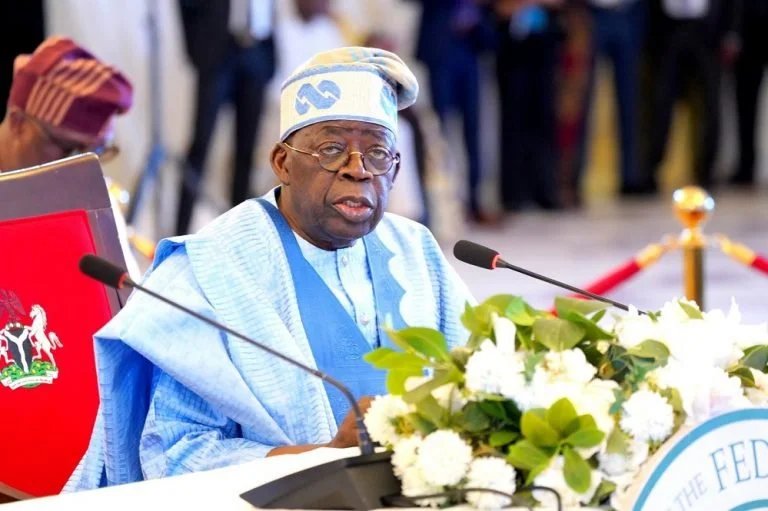
The resolutions were reached at the 19th National Council on Transportation, held in Abuja from August 31 to September 3, 2026, where the Federal Ministry of Transportation focused on developing an integrated transport system for Nigeria.
/ You Might Also Like /




Rail corridor to connect Uyo with Calabar port
The National Council on Transportation endorsed Cross River’s proposal for a railway corridor linking Uyo with Calabar and providing a direct connection to the Cross River Deep Sea Port.
The Nigeria Railway Corporation has also committed to developing a master plan and technical drawings for the proposed corridor, providing an initial technical framework for the project.
According to the state government, the railway is expected to facilitate passenger and cargo movement between Uyo and Calabar while providing direct access to the port.
The proposed connection could also reduce logistics costs and strengthen Cross River’s position as a trade gateway in the South-South region and the wider Gulf of Guinea.
Marine transport expansion also receives backing
The council also approved Cross River’s proposal to expand its marine transport system.
The request will now be forwarded to the Federal Ministry of Marine and Blue Economy for collaboration with the Cross River Ministry of Transportation.
The state expects expanded water transport to provide an alternative to road travel, improve mobility and reduce pressure on existing road infrastructure.
For a state seeking to develop a multimodal transportation network around its Deep Sea Port, the combination of rail, marine and road transport could improve the movement of people and goods across the region.
Port connectivity could reshape property demand
For the property market, the proposed rail connection is significant because transport infrastructure can influence where businesses, workers and households choose to locate.
A direct rail connection between Uyo, Calabar and the Deep Sea Port could increase the attractiveness of areas around the transport corridor for commercial, industrial and logistics developments.
Improved access could also encourage demand for warehouses, distribution centres, offices, hotels and residential developments serving workers and businesses linked to port activity.
However, the scale of any property-market impact will depend on the project's implementation, financing, construction timeline and eventual operational capacity.
Logistics infrastructure could support South-South development
The proposed railway comes at a time when infrastructure-led development is becoming increasingly important to property markets outside Nigeria’s traditional commercial centres.
Connecting a deep-sea port to an inland urban centre can improve the movement of goods and potentially reduce the cost and time associated with road-based logistics.
For Cross River, this could create opportunities for industrial and logistics clusters around Calabar while strengthening connections with neighbouring states.
Such development could generate additional demand for land and commercial property, particularly where infrastructure improvements make previously less accessible locations more viable for investment.
Integrated transport could improve Calabar’s investment appeal
Cross River’s proposal is broader than a single railway project. The state is pursuing a combination of rail, marine and port infrastructure intended to create an integrated transportation system.
This could strengthen Calabar’s position as a regional economic centre if the different components are delivered effectively.
For the housing market, improved transport connectivity could make surrounding communities more attractive to residents who need access to employment centres but may prefer lower-cost housing outside the city’s core.
The effect could be particularly important if new infrastructure is accompanied by adequate housing, utilities, roads and other urban services.
Implementation will determine the impact
The latest endorsement represents an important step, but it does not mean that the railway is already under construction.
The Nigeria Railway Corporation's commitment to develop a master plan and technical drawings is an early stage in the process. Funding, detailed feasibility work, approvals, land acquisition and construction will determine whether the proposed corridor moves from planning to execution.
The same applies to the marine transport expansion, which requires coordination between the state and the Federal Ministry of Marine and Blue Economy.
Outlook
The Federal Government's backing gives Cross River's transport ambitions greater institutional support and could strengthen the state's plans to develop the Deep Sea Port as part of a wider multimodal transport network.
For Nigeria's property market, the most important potential impact lies in the infrastructure's ability to improve connectivity and unlock new areas for commercial, industrial and residential development.
If implemented successfully, the Uyo-Calabar rail corridor and expanded marine transport system could strengthen Calabar's role in regional trade while creating new opportunities for property development around transport and logistics hubs.
READ MORE