Rising Contractor Debt Puts Pressure on Nigeria’s Credit Outlook
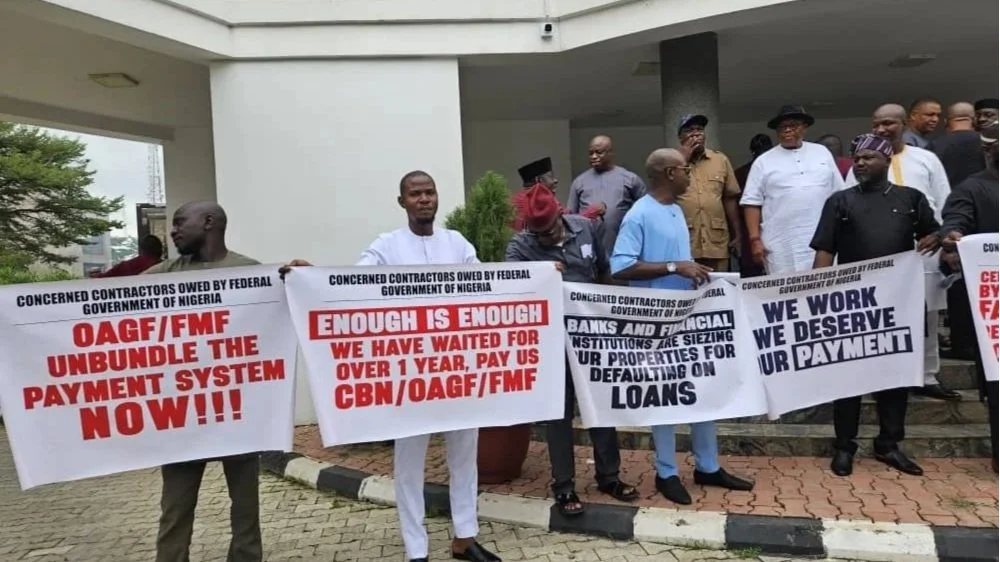
Delayed Contractor Payments Heighten Fiscal and Credit Risks
Rising arrears owed to contractors by the Federal Government are increasing concerns over Nigeria’s credit profile, as investors begin to price in heightened fiscal and liquidity risks. The growing backlog of unpaid obligations reflects ongoing budgetary pressures and has implications for infrastructure delivery, private sector stability, and investor confidence.
/ You Might Also Like /




Mounting Arrears Signal Fiscal Strain
Contractor arrears have emerged as a key indicator of fiscal stress, highlighting gaps between government revenue and expenditure commitments. Delays in payments to contractors working on public infrastructure projects suggest tightening liquidity conditions within the public sector.
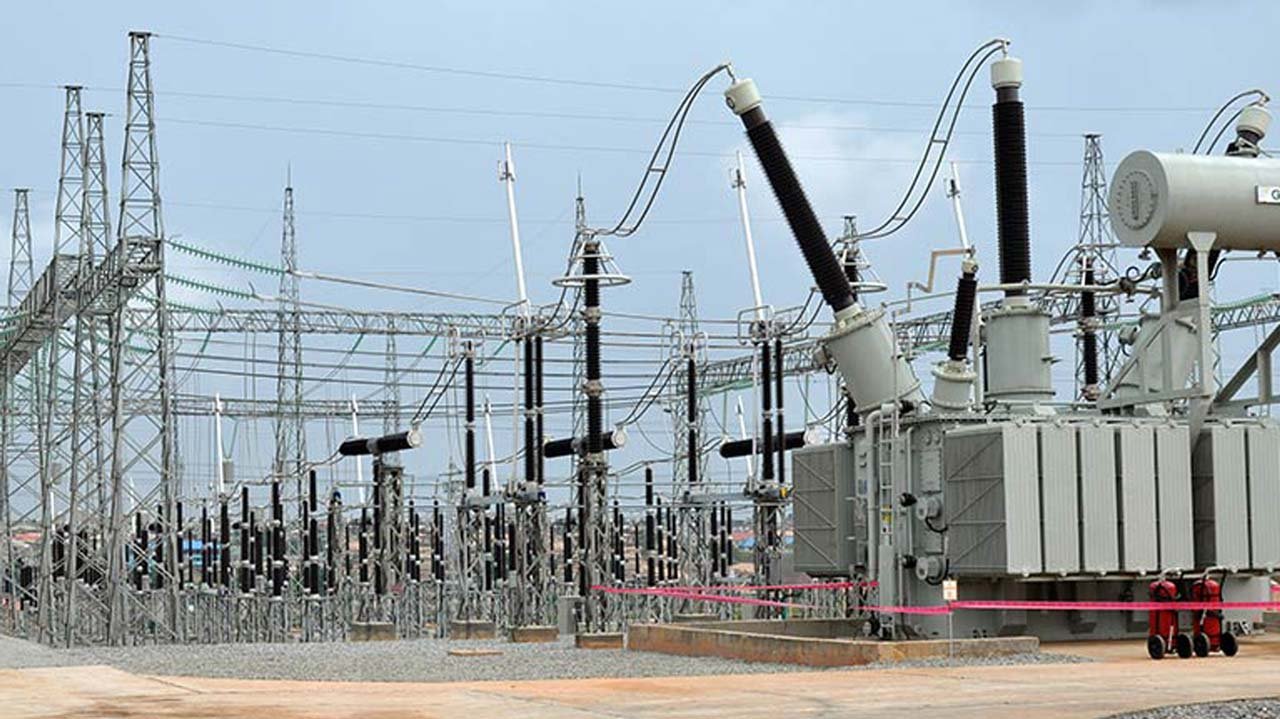
These arrears affect a wide range of sectors, including roads, housing, and energy infrastructure, where government-funded projects play a central role in economic development.
Investor Sentiment and Credit Risk Implications
Investors are increasingly factoring delayed contractor payments into their assessment of Nigeria’s credit risk. Persistent arrears can signal weak fiscal management and may lead to higher borrowing costs as lenders demand greater risk premiums.
The situation also raises concerns about the government’s ability to meet its financial obligations on time, particularly in a context of constrained revenue and rising debt service costs.
Impact on Infrastructure Delivery
Delayed payments to contractors can slow or halt critical infrastructure projects, affecting economic productivity and long-term growth. Contractors facing cash flow constraints may scale back operations, delay project timelines, or increase project costs to compensate for payment uncertainties.
This dynamic creates a feedback loop where stalled infrastructure delivery further constrains economic activity, reducing the government’s revenue base and exacerbating fiscal pressures.
Private Sector and Banking System Exposure
The impact of contractor arrears extends beyond the public sector into the financial system. Many contractors rely on bank financing to execute projects, using expected government payments as collateral.
Delayed payments can therefore increase non-performing loans within the banking sector, as contractors struggle to service debt obligations. This introduces broader systemic risks, particularly if arrears persist or expand.
Policy and Fiscal Management Considerations
Addressing contractor arrears will require improved fiscal discipline, enhanced revenue mobilisation, and more efficient budget execution.
Policymakers may need to prioritise clearing outstanding obligations to restore confidence among contractors and investors. Transparent reporting of arrears and structured repayment plans could also help mitigate uncertainty and stabilise market perceptions.
Additionally, reforms aimed at strengthening public financial management systems will be critical to preventing future accumulation of arrears.
Outlook for Investors and the Economy
For investors, the rise in contractor arrears represents a key risk factor in assessing Nigeria’s fiscal sustainability. While the country continues to offer opportunities across sectors, persistent payment delays could weigh on investor sentiment and capital inflows.
For the broader economy, resolving arrears is essential to maintaining infrastructure momentum, supporting private sector activity, and sustaining growth.
The growing backlog of Federal Government contractor arrears underscores emerging fiscal pressures and rising credit risk concerns. As investors adjust their expectations, the need for decisive policy action becomes increasingly urgent.
Clearing outstanding obligations and strengthening fiscal management frameworks will be critical to restoring confidence, stabilising the investment environment, and supporting Nigeria’s long-term economic trajectory.
READ MORE