Federal Government Spends ₦3.1 Trillion on Projects Amid Rising Debt Profile
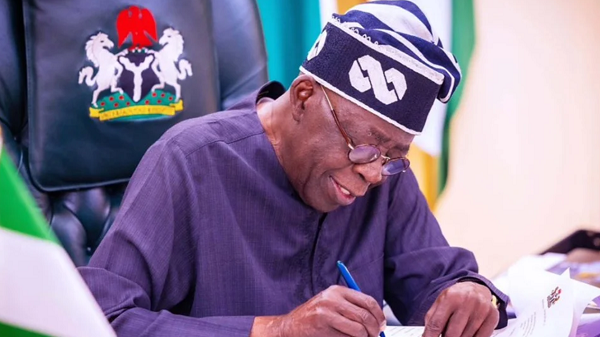
FG Borrowing Surges as Capital Expenditure Crosses ₦3 Trillion
Nigeria’s Federal Government borrowed approximately ₦11.89 trillion between January and April 2026 while allocating about ₦3.1 trillion to capital projects during the same period, according to data released by the Central Bank of Nigeria (CBN). The figures highlight the government’s continued reliance on borrowing to finance infrastructure development, budget deficits and broader economic reforms amid ongoing fiscal pressures
/ You Might Also Like /




The borrowing and spending trends form part of the Tinubu administration’s broader strategy to stimulate economic growth through public investment while addressing long-standing infrastructure deficits across transportation, energy, housing and other critical sectors.
Borrowing Continues to Drive Fiscal Operations
According to the CBN’s economic report, total Federal Government borrowing reached ₦11.89 trillion within the first four months of 2026, reflecting a substantial increase in public debt obligations.
Analysts note that the borrowing was driven largely by fiscal deficits, lower-than-expected revenue performance and increased public expenditure requirements. Nigeria has continued to rely on both domestic and external borrowing to finance budget implementation as government spending obligations remain elevated. (dmo.gov.ng)
The Federal Government’s fiscal strategy has prioritised infrastructure investment, social interventions and economic reforms designed to improve productivity and attract private-sector investment.
Capital Expenditure Reaches ₦3.1 Trillion
During the same period, the government reportedly spent ₦3.1 trillion on capital projects and infrastructure-related activities. Capital expenditure covers investments in roads, railways, power infrastructure, housing, education facilities and other development projects intended to stimulate economic activity and improve long-term national productivity. (nairametrics.com)
The rise in capital spending aligns with the administration’s emphasis on infrastructure-led growth as a mechanism for supporting employment, industrial expansion and improved competitiveness.
Government officials have repeatedly argued that strategic investments in infrastructure remain essential to unlocking Nigeria’s economic potential and reducing structural bottlenecks affecting businesses and households.
Debt Sustainability Concerns Persist
Despite the increase in infrastructure spending, economists continue to express concerns over Nigeria’s growing debt profile and rising debt servicing obligations.
According to the Debt Management Office (DMO), Nigeria’s total public debt has continued to rise in recent years due to persistent fiscal deficits, currency depreciation and increased borrowing requirements.
Analysts note that while borrowing for productive infrastructure can support long-term growth, debt sustainability depends heavily on the government’s ability to improve revenue generation, expand exports and increase economic productivity.
Nigeria’s debt-service-to-revenue ratio has remained a major concern among fiscal experts, with a significant portion of government revenue allocated to debt repayment obligations.
Infrastructure Investment Remains a Policy Priority
The Federal Government has consistently identified infrastructure deficits as one of the biggest constraints to economic growth. Sectors including transportation, housing, electricity and water infrastructure continue to require substantial investment to meet the demands of Nigeria’s growing population and expanding urban centres.
Recent government spending has focused on major road projects, rail modernisation, energy infrastructure and housing initiatives intended to improve connectivity and support economic activity.
Industry experts argue that sustained infrastructure investment could improve logistics efficiency, reduce operating costs for businesses and strengthen long-term economic resilience if projects are delivered effectively and transparently.
Revenue Challenges Continue to Affect Fiscal Stability
Nigeria’s fiscal position continues to face pressure from limited revenue mobilisation, fluctuating oil earnings and foreign exchange volatility.
Although recent economic reforms, including fuel subsidy removal and exchange rate liberalisation, were introduced to strengthen fiscal sustainability, government finances remain under strain due to inflationary pressures and high public spending demands.
Economic analysts have repeatedly stressed the importance of expanding non-oil revenue sources, improving tax collection efficiency and promoting private-sector growth to reduce dependence on borrowing.
Without stronger revenue performance, experts warn that increasing debt accumulation could constrain future fiscal flexibility and limit the government’s ability to fund development priorities.
Implications for Housing and Urban Development
The increase in capital expenditure carries important implications for Nigeria’s housing and urban infrastructure sectors. Public investment in roads, transport systems, electricity and urban services often directly influences housing development, land values and real estate activity.
Infrastructure expansion can also improve access to affordable housing by opening up new development corridors and reducing transportation bottlenecks within major cities. However, developers and housing stakeholders continue to emphasise the need for targeted investment in housing finance, urban planning and residential infrastructure to address Nigeria’s significant housing deficit.
Outlook
Nigeria’s rising borrowing profile alongside increased capital expenditure reflects the government’s ongoing attempt to balance economic development priorities with fiscal realities. While infrastructure investment remains central to the administration’s growth strategy, concerns over debt sustainability and revenue generation are likely to remain key issues for policymakers and investors.
The long-term impact of the ₦11.89 trillion borrowing programme will depend largely on the effectiveness of project implementation, improvements in economic productivity and the government’s ability to strengthen revenue mobilisation. As fiscal pressures persist, achieving sustainable growth will require careful management of public debt alongside continued investment in critical infrastructure and economic reforms.
READ MORE