FEMD Warns Gwagwalada, Mabushi and Lokogoma Communities of Rising Flood Risks
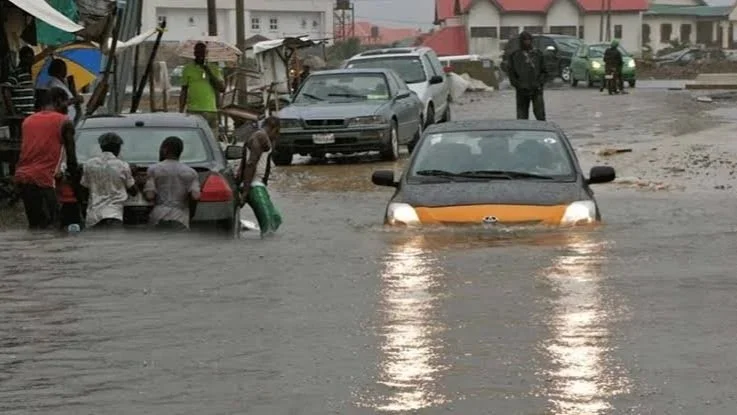
Rising Flood Threat Prompts Warning for Residents in Parts of Abuja
The Federal Capital Territory Emergency Management Department (FEMD) has intensified its flood preparedness campaign, warning residents of Gwagwalada, Mabushi and Lokogoma to remain vigilant as heavy rainfall continues to increase the risk of flooding across parts of Abuja.
The agency said the sensitisation campaign forms part of efforts to reduce the impact of seasonal flooding by educating residents in vulnerable communities on preventive measures, early response procedures and the importance of complying with official safety advisories.
/ You Might Also Like /


Communities Identified as High-Risk Areas
FEMD officials identified Gwagwalada, Mabushi and Lokogoma as communities requiring heightened awareness because of their exposure to flash floods, overflowing drainage channels and runoff from prolonged rainfall.
The department urged residents, particularly those living close to rivers, streams and drainage corridors, to remain alert and take proactive steps to protect lives and property. It also encouraged community leaders and traditional institutions to support public awareness campaigns and ensure residents receive timely information on flood risks.
Residents Advised to Take Preventive Measures
As part of its advisory, FEMD urged residents to clear blocked drains around homes and businesses, avoid dumping refuse into drainage channels and refrain from building structures that obstruct natural waterways.
The agency also advised residents in flood-prone locations to prepare emergency plans, safeguard important documents and valuables, and move to safer locations whenever floodwaters begin to rise.
FEMD warned motorists against driving through flooded roads, noting that rapidly rising water levels can quickly become dangerous and result in loss of lives or damage to vehicles.
Strengthening Disaster Preparedness
According to the department, the ongoing sensitisation exercise is part of a broader strategy to improve disaster preparedness across the Federal Capital Territory during the peak of the rainy season.
The campaign includes engagement with traditional rulers, community associations and local stakeholders to strengthen early warning systems and encourage collective action in reducing flood risks.
FEMD stressed that effective disaster management requires cooperation between government agencies and residents, particularly in maintaining drainage infrastructure and complying with environmental regulations.
Implications for the Housing Market
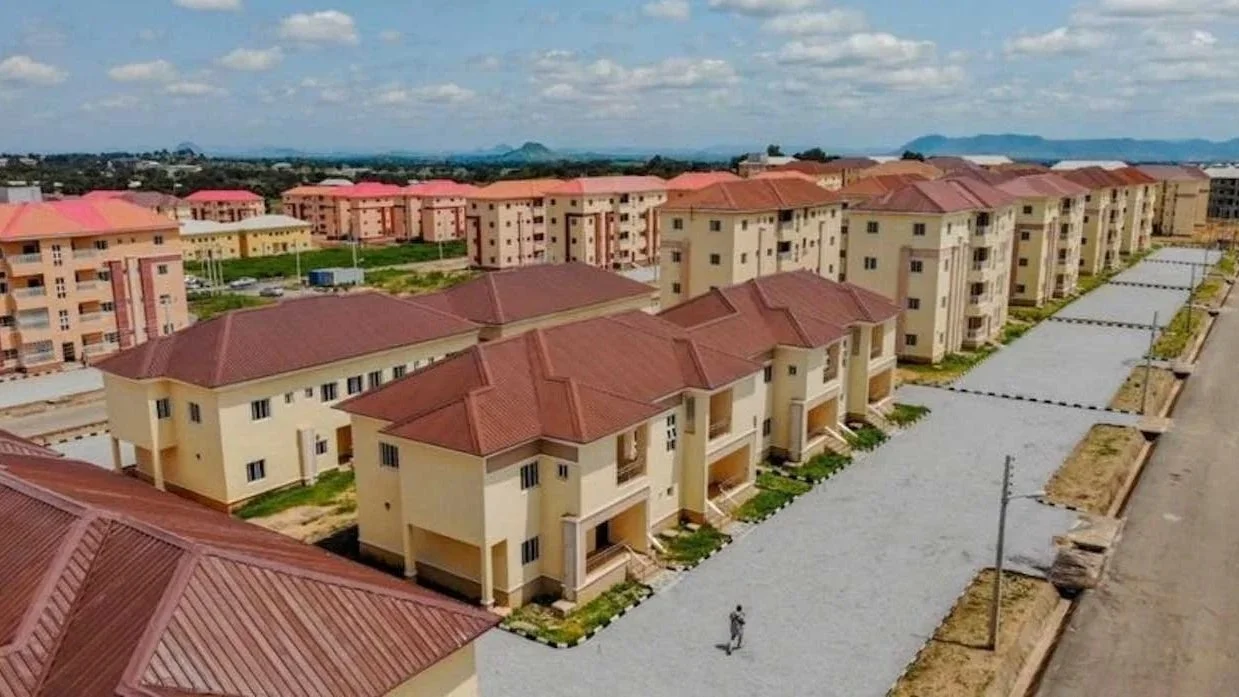
The latest flood warning highlights the growing importance of climate resilience in Nigeria's housing and urban development agenda. Communities exposed to recurring flooding often experience property damage, disruption to infrastructure and increased maintenance costs, factors that can affect housing demand and long-term investment.
For developers, the warning reinforces the need to incorporate comprehensive drainage systems, flood-resilient designs and environmental impact assessments into new housing projects. It also underscores the importance of enforcing planning regulations that discourage development on floodplains and natural waterways.
As Abuja continues to expand, integrating flood risk management into housing development will be essential for protecting residential communities, preserving property values and improving the resilience of the built environment.
Outlook
With the rainy season expected to continue, flood preparedness is likely to remain a priority for the Federal Capital Territory Administration and emergency management agencies. Continued public awareness, improved drainage maintenance and stricter enforcement of development regulations will be critical to reducing flood-related losses.
For the housing sector, the warning serves as a reminder that resilient infrastructure and effective urban planning are becoming increasingly important considerations for sustainable residential development and long-term real estate investment in Abuja
READ MORE