Globalis Unveils New Strategy to Redefine Luxury Real Estate in Nigeria
New Thinking in Luxury Real Estate: Globalis Pushes Strategic Shift for Investors
Globalis Real Estate Advisory has introduced a new strategic framework aimed at redefining luxury real estate in Nigeria, positioning advisory, governance, and investor protection at the centre of high-end property development. The initiative, unveiled in Lagos, seeks to address gaps in standards, transparency, and long-term value creation within the luxury segment.
/ You Might Also Like /




Rethinking the Concept of Luxury
Globalis is challenging the traditional definition of luxury real estate, arguing that the current market particularly in Lagos has drifted from global benchmarks. According to the firm, many developments labelled as “luxury” fail to meet the standards expected by high-net-worth investors in terms of quality, governance, and long-term asset value.
The company’s approach reframes luxury as a combination of design excellence, functional living standards, and structured community governance rather than just premium pricing or location.
Advisory-Led Model for Investors
At the core of Globalis’ strategy is a shift from transaction-based real estate to advisory-led engagement. The firm positions itself not as a developer but as a strategic partner providing institutional-grade market intelligence and guidance to investors and developers.
This model is designed to help investors make informed decisions, mitigate risks, and align property acquisitions with broader wealth management objectives. The company also aims to bridge information gaps that have historically limited transparency in Nigeria’s luxury real estate market.
Governance and Homeowners’ Association Framework
A key feature of the new approach is the introduction of structured governance systems within residential developments. Globalis plans to institutionalise homeowners’ associations that will assume control of properties once a defined ownership threshold is reached.
Under this model:
Developers transition out of ownership after selling a majority of units
Homeowners collectively manage and govern the property
Residents commit to predefined rules that maintain standards and property value
This framework draws from international practices, particularly in developed markets, where such governance structures are standard.
Addressing Market Inefficiencies
The initiative responds to persistent inefficiencies in Nigeria’s luxury real estate sector, including weak regulation, inconsistent quality, and limited investor protection. Industry observers note that these challenges have created a gap between pricing and actual value delivered to buyers.
Globalis aims to “bring structure and discipline” to the market by aligning developments with global best practices and ensuring that buyers receive both lifestyle value and investment security.
Government and Stakeholder Engagement
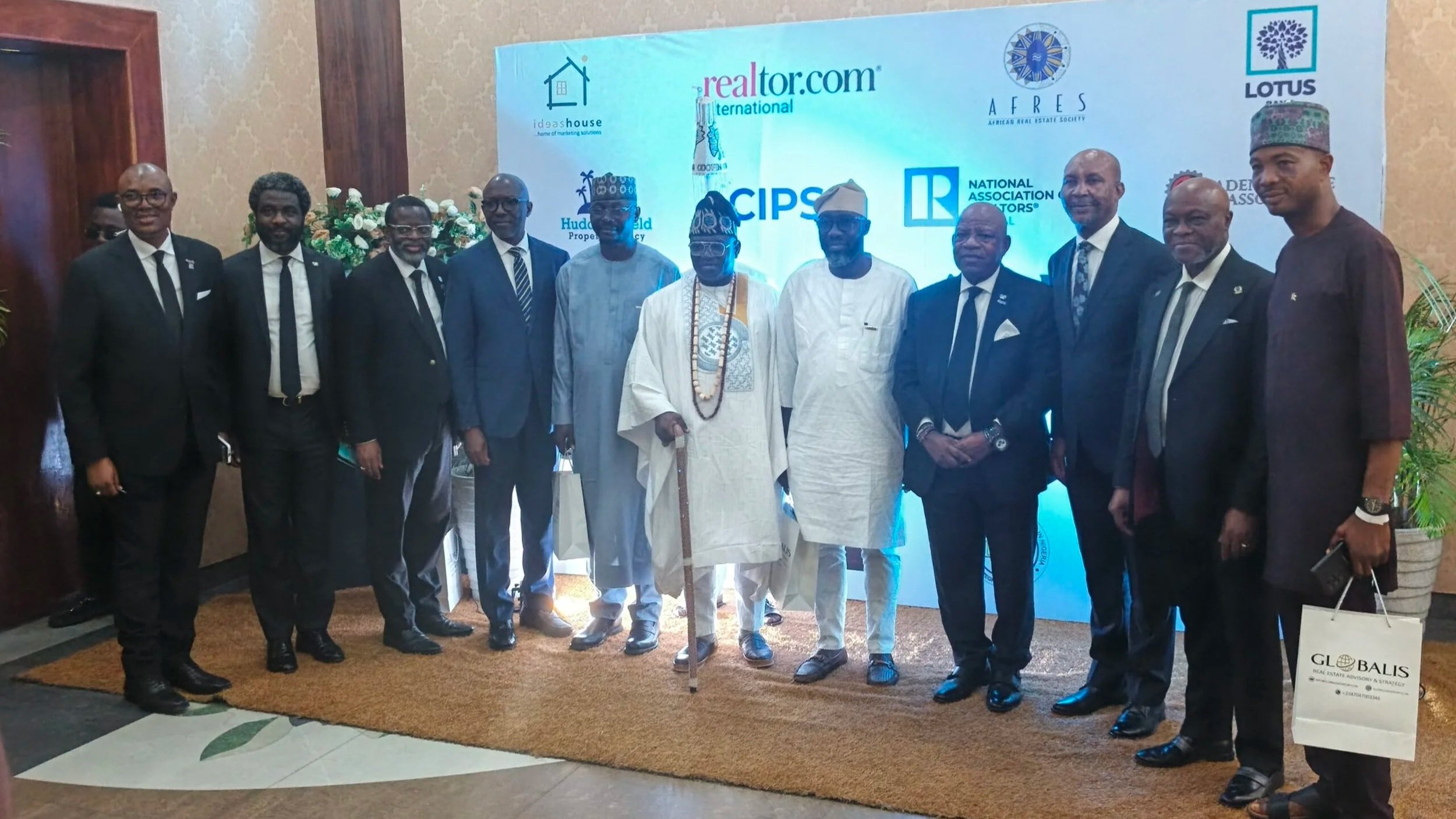
The unveiling of the initiative at a private investor forum attracted key stakeholders, including developers, investors, and government representatives. Lagos State officials signalled openness to partnerships that support innovation and sustainable investment in the housing sector.
This collaboration is expected to play a role in scaling the model and integrating it into broader urban development strategies.
Implications for the Luxury Property Market
The Globalis model reflects a broader shift in Nigeria’s high-end real estate segment towards professionalism, transparency, and structured investment frameworks. For investors, the emphasis on governance and advisory services offers a pathway to reduced risk and improved asset performance.
For developers, the approach introduces stricter expectations around delivery standards and long-term management, potentially reshaping how luxury projects are conceived and executed.
Globalis’ entry into Nigeria’s luxury real estate space signals a transition from product-driven development to strategy-led investment. By prioritising governance, transparency, and global standards, the firm aims to redefine what constitutes true luxury in the market.
If successfully implemented, this approach could set new benchmarks for quality and investor confidence, with implications for both domestic and international participation in Nigeria’s high-end property sector.
READ MORE