Electric Spark Triggers Fire at New Gbagi Market, Two Shops Razed
Two Shops Destroyed by Fire at New Gbagi Market in Ibadan
Two lock-up shops have been destroyed by fire at the Bola Ige International Market, New Gbagi, Ibadan, after an electrical spark triggered the blaze in the early hours of Friday.
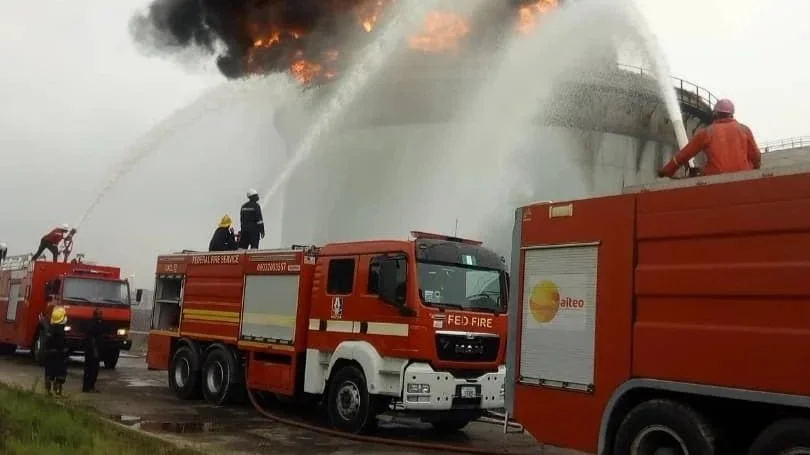
The incident occurred at 348 ZI/E Milo Zone of the market. The Oyo State Fire Services Agency responded to the emergency and contained the fire before it could spread to other parts of the market. No casualty was recorded.
/ You Might Also Like /




Electrical Spark Blamed for Fire
According to the Oyo State Fire Services Agency, the fire started after an electrical spark from a power pole ignited nearby combustible materials.
The incident highlights the fire risks associated with electrical installations and the storage of combustible materials within densely occupied commercial environments.
Fire incidents in markets can spread rapidly because shops often operate in close proximity and contain large quantities of flammable goods.
Firefighters Prevent Wider Damage
The Oyo State Fire Services Agency said its personnel responded promptly to the incident and prevented the fire from spreading beyond the two affected shops.
The intervention limited the extent of the damage and protected adjoining businesses within the market.
The agency's response also underscores the importance of maintaining accessible emergency routes and ensuring that firefighting services can reach densely developed commercial areas quickly.
Market Fire Raises Safety Concerns
The latest incident adds to concerns about fire safety in Nigerian markets, where electrical faults, combustible materials and inadequate emergency access can increase the risk of significant property losses.
Market operators and authorities face the challenge of balancing commercial activity with adequate safety measures, particularly in busy markets where shops are closely packed together.
Regular electrical inspections, safe wiring, functional firefighting equipment and unobstructed access routes can help reduce the risk of fires and limit damage when incidents occur.
Implications for Commercial Property
The incident also highlights the importance of fire-risk management for owners and operators of commercial properties.
For market developers and property managers, incorporating fire-safety measures into the design and operation of commercial facilities can protect businesses, property and livelihoods.
Adequate spacing between structures, accessible emergency routes, compliant electrical systems and strategically positioned firefighting equipment are important considerations in market development and redevelopment.
Need for Stronger Market Safety Standards
The recurrence of market fires across Nigerian cities reinforces the need for stronger enforcement of building and fire-safety standards.
Authorities can reduce risks by conducting regular inspections, ensuring compliance with approved electrical installations and preventing unauthorised structures from obstructing access routes.
For traders, compliance with safety requirements is equally important, particularly where electrical equipment and combustible merchandise are stored within small commercial spaces.
Outlook
The New Gbagi Market fire resulted in the destruction of two shops but caused no reported casualties, following the intervention of the Oyo State Fire Services Agency.
The incident nevertheless highlights the continuing need for effective fire-prevention measures in commercial markets. For property owners, developers and market authorities, investment in compliant electrical systems, emergency access and firefighting infrastructure remains essential to protecting commercial property and reducing the potential economic impact of future fire outbreaks.
READ MORE