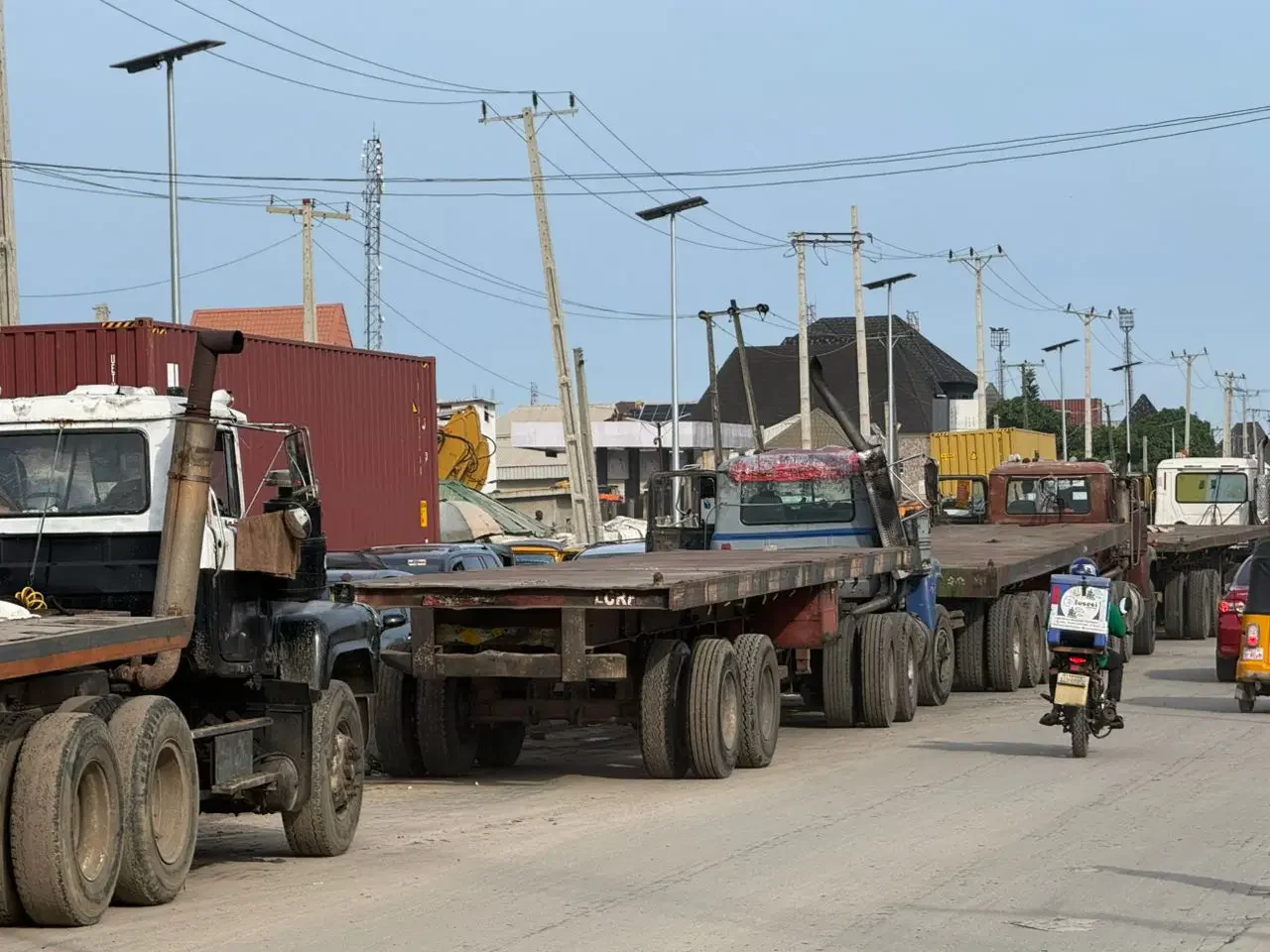
CNG Fails to Bring Down Transport Fares Across Nigeria Despite Lower Fuel Costs
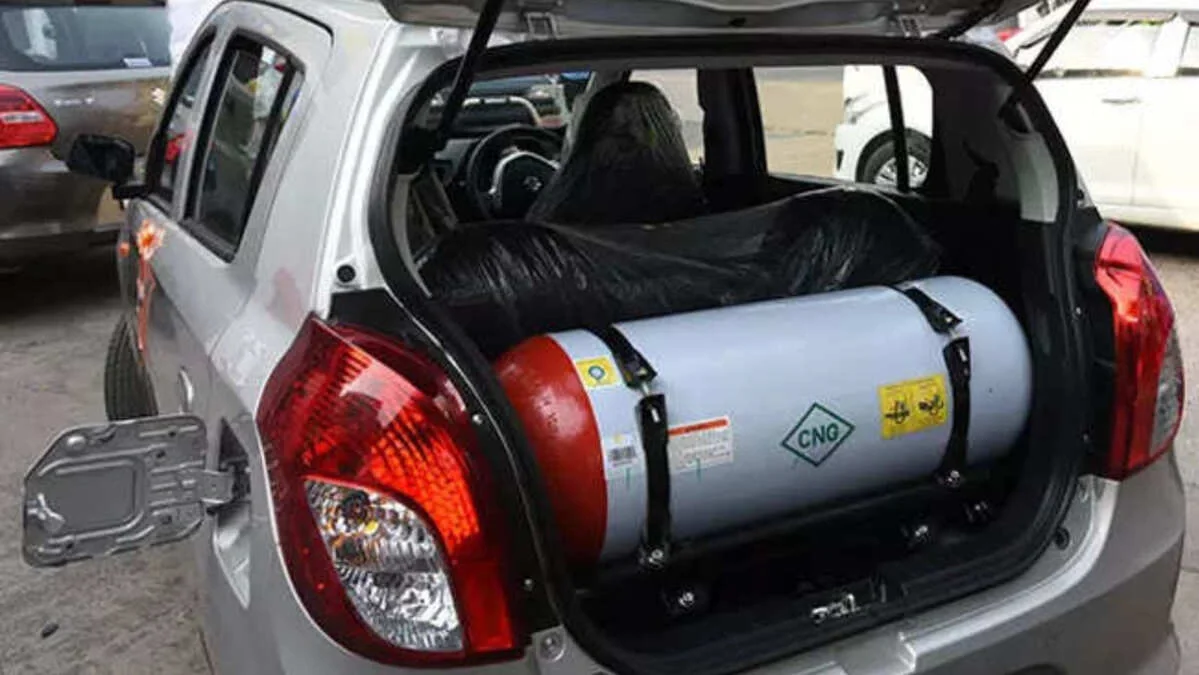
CNG Cuts Fuel Costs, but Nigerian Commuters Are Yet to See Cheaper Fares
Nigeria’s transition to compressed natural gas (CNG) has reduced fuel costs for some commercial transport operators, but the savings have yet to translate into significantly lower fares for commuters across the country.
The Federal Government introduced CNG as a cheaper alternative to petrol following the removal of the fuel subsidy, with the objective of reducing transportation costs for households and businesses. However, experiences from operators and passengers show that other expenses, including vehicle maintenance, tyres, financing, insurance and limited access to refuelling stations, continue to keep transport costs high.
/ You Might Also Like /




CNG Operators Report Lower Fuel Costs
Some commercial drivers say switching to CNG has significantly reduced their fuel expenses.
An Abuja commercial driver, Markus Bilia, said he spent N650,000 converting his vehicle to CNG and has found the fuel more economical than petrol. However, he identified access to CNG as a major challenge.
Another Abuja taxi operator said CNG could cost about N400 per standard cubic metre depending on the location and that N5,000 worth of CNG could support roughly two days of work.
These experiences indicate that CNG can provide substantial savings where reliable supply and refuelling infrastructure exist.
The challenge is ensuring that these operating savings move beyond transport operators and ultimately benefit passengers through lower fares.
Commuters Still Paying High Fares
Despite the lower fuel costs reported by some CNG users, commuters in several parts of Nigeria continue to pay elevated transport fares.
Passengers interviewed in Abuja said they had expected the CNG programme to result in cheaper fares but had seen little or no reduction in what they pay.
One commuter said transport remains a significant monthly expense despite the government's CNG initiative, while another noted that operators often point to maintenance, spare parts and other expenses when explaining current fares.
The situation highlights the difference between reducing one component of transport costs and reducing the final price paid by passengers.
Fuel Is Only One Part of Transport Costs
Transport operators face several expenses beyond fuel.
These include vehicle financing, maintenance, tyres, insurance, driver allowances, road-related charges and loading and offloading costs. The condition of major roads can also increase vehicle maintenance requirements and operating expenses.
For long-distance operators, access to CNG stations adds another layer of complexity.
A vehicle travelling along a route with limited CNG infrastructure may need to plan around available stations or switch to petrol when CNG is unavailable. This can reduce the financial benefit of conversion and make it difficult for operators to depend entirely on the alternative fuel.
CNG Infrastructure Remains a Key Challenge
The Federal Government says it has established more than 90 CNG refuelling stations across 23 states, with additional infrastructure under development.
However, operators continue to identify availability and accessibility as major constraints.
The challenge is particularly important for commercial transport because operators need predictable access to fuel throughout their working routes. Limited station coverage can increase downtime, complicate route planning and reduce the potential savings from switching vehicles to CNG.
The price consumers pay for CNG also reflects costs associated with compression, transportation, storage, equipment, electricity and maintenance.
Government Wanted CNG Savings to Reach Passengers
The CNG initiative was introduced in 2023 as part of the Federal Government's response to the impact of petrol subsidy removal.
The programme targeted the deployment of more than 11,500 new CNG-enabled vehicles and 55,000 conversion kits for existing petrol-powered vehicles. The government also positioned the initiative as a means of supporting local manufacturing, vehicle assembly and job creation.
President Bola Tinubu has repeatedly urged transport operators to ensure that the benefits of cheaper CNG reach commuters rather than remain entirely with operators.
The Presidential Initiative on CNG and Electric Vehicles says more than 120,000 vehicles have been converted to CNG, while more than $2.5 billion has been invested in the clean transportation programme.
Transport Costs Affect Housing Affordability
The persistence of high transport fares has important implications for Nigeria's housing market.
Transportation is a major consideration when households choose where to live. High commuting costs can make homes located farther from employment centres less affordable, even when rents or property prices are comparatively lower.
For workers, the total cost of housing therefore extends beyond rent or mortgage payments. Daily transportation expenses can significantly increase the effective cost of living in peripheral communities.
This makes affordable and reliable public transport an important component of broader housing affordability.
Infrastructure and Urban Development
The CNG challenge also reinforces the importance of integrating transport planning with housing and urban development.
As Nigerian cities expand, new residential communities are increasingly developing on urban fringes where land may be more affordable. However, these locations can become less attractive when residents face long commutes and high transportation costs.
Reliable public transport, better road infrastructure and accessible CNG or electric-vehicle infrastructure can therefore influence the viability of emerging residential areas.
For developers and investors, transport connectivity remains an important factor when assessing new housing locations.
Outlook
Nigeria's CNG transition has demonstrated that alternative fuel can reduce operating costs for some transport operators, but the expected reduction in passenger fares has not yet materialised consistently.
The Federal Government's next challenge is to address the wider transport-cost structure, including CNG availability, vehicle maintenance, infrastructure and operator economics.
For the housing sector, the issue extends beyond transportation policy. If commuting remains expensive, households may continue to face high effective living costs even where affordable housing becomes available farther from city centres.
A successful CNG programme will therefore need to deliver benefits across the transportation value chain, ensuring that lower fuel costs ultimately contribute to more affordable and reliable mobility for Nigerian households.
READ MORE