Dangote Offers East African Nations 30% Stake in Planned $17bn Kenya Refinery
Kenya, Rwanda and Ethiopia Eye Stakes in Dangote’s Planned $17bn Refinery
Aliko Dangote has offered East African countries a combined 30% equity stake in his proposed $17 billion refinery in Kenya, opening the major energy project to regional government participation.
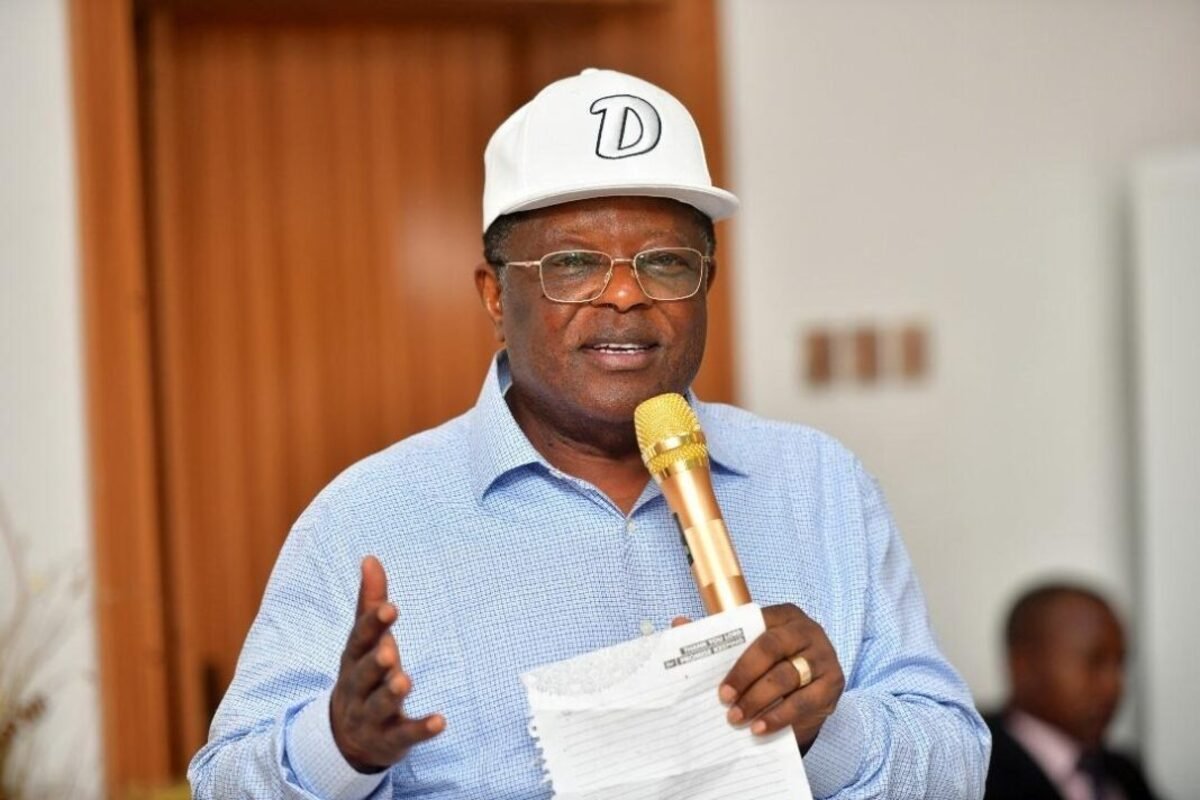
Kenyan President William Ruto’s economic adviser, David Ndii, disclosed the proposal at a capital markets forum in Nairobi on Thursday. He said Kenya intends to acquire a 10% stake, while Ethiopia and Rwanda have also expressed interest in the refinery.
/ You Might Also Like /




The proposed regional participation could be worth approximately $1.5 billion, giving East African governments a direct financial interest in a major petroleum infrastructure project expected to strengthen regional refining capacity.
Kenya to Take 10% Stake
Kenya is expected to take a 10% equity position in the proposed refinery, which would be located in the coastal region of the country.
Ndii valued Kenya's proposed participation at approximately $500 million. Ethiopia and Rwanda have also indicated interest in acquiring stakes, potentially bringing the combined regional participation to 30%.
The structure would give participating governments exposure to the refinery's future operations while potentially improving access to refined petroleum products within their respective markets.
$17bn Refinery Planned for Kenya
The proposed refinery is expected to cost about $17 billion and is planned for development in Kenya after Dangote shifted the proposed location from Tanzania.
The project is expected to become a major energy infrastructure development for East Africa, with its location in a coastal area providing access to maritime infrastructure and regional markets.
Earlier reports indicate that the refinery could have a processing capacity comparable to the Dangote Refinery in Lagos, positioning the project as one of Africa's largest planned refining investments.
Regional Governments Seek Investment Opportunity
The proposed equity structure reflects growing interest among African governments in participating directly in strategic infrastructure projects rather than relying solely on private investment.
For Kenya, Ethiopia and Rwanda, participation could provide access to a long-term energy asset while strengthening their position within the regional petroleum supply chain.
For Dangote, bringing regional governments into the project could broaden the project's capital base and create stronger commercial relationships with potential crude or refined-product markets.
Ndii said Dangote was prepared to support participating countries that may be unable to commit as crude off-takers, indicating flexibility in the proposed investment structure.
Project Could Strengthen East Africa’s Energy Security
The refinery could reduce East Africa's dependence on imported refined petroleum products by increasing regional refining capacity.
A large domestic refinery would potentially shorten supply chains for countries that currently depend heavily on imported fuel, while reducing exposure to international freight costs and disruptions in global petroleum markets.
The project could also generate demand for supporting infrastructure, including storage facilities, pipelines, transportation networks, industrial services and logistics.
Investment Could Drive Infrastructure Development
A project of this scale would have implications beyond petroleum refining.
Large industrial developments typically require extensive supporting infrastructure, including roads, ports, utilities, housing and commercial facilities for workers and surrounding communities.
The proposed refinery could therefore create opportunities for construction companies, logistics providers, property developers and other businesses operating around the project location.
For the real estate sector, the development of a major industrial project can increase demand for residential accommodation, serviced land, hospitality facilities and commercial property, particularly as workers and supporting businesses establish operations around the site.
Dangote’s Regional Expansion Strategy
The proposed Kenya refinery represents another major expansion of Dangote's industrial footprint beyond Nigeria.
Dangote already operates the 650,000-barrel-per-day refinery in Lagos, which has become an increasingly important supplier of refined petroleum products to domestic and international markets.
The Nigerian refinery's growing export activity has also demonstrated the potential for large-scale refining projects to serve markets beyond their immediate locations.
The proposed East African project would extend that model into another major African market.
Capital Markets Could Play Greater Role
The proposed 30% regional stake also highlights the potential role of African capital markets in financing large infrastructure projects.
Kenya's planned participation, alongside interest from Ethiopia and Rwanda, could provide a framework for governments and institutional investors to participate in strategic infrastructure while sharing investment risks.
The project also comes as Dangote's Nigerian refinery prepares for a major capital-market transaction. The company recently secured a $1 billion underwriting programme ahead of a planned initial public offering for the Nigerian refinery.
Implications for Nigeria
Although the proposed refinery will be located in Kenya, the project has implications for Nigeria and Dangote Group's position in Africa's energy sector.
The expansion could strengthen Dangote's role as a pan-African industrial investor and increase competition within Africa's refining market.
For Nigeria, the development also highlights the growing regional influence of its private-sector companies and the potential for Nigerian capital and expertise to support major infrastructure projects across Africa.
Outlook
Dangote's offer of a 30% combined stake to East African countries could transform the proposed $17 billion Kenya refinery into a regional investment project rather than a conventional privately financed development.
Kenya's proposed 10% participation, alongside interest from Ethiopia and Rwanda, could provide about $1.5 billion in regional equity if the proposed structure is completed.
Beyond refining capacity, the project could stimulate investment in transport, logistics, industrial infrastructure and real estate around its eventual location. Its success will depend on securing the required capital, completing the necessary technical and regulatory processes and establishing a commercially viable operating structure.
READ MORE